

Sudanese Refugee Crisis in Libya: IRC Warns of Urgent Humanitarian Needs Amidst Escalating Conflict
The majority of these refugees—73%—have traveled directly from Sudan through the desert in the Al Kufra region of southeastern Libya, while others have arrived via Chad or Egypt.
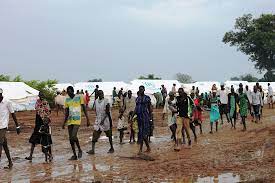
Since the outbreak of conflict in Sudan in April 2023, over 96,000 Sudanese refugees have arrived in Libya, with an expected daily influx of 2,500 to 3,000 more in the coming months. The International Rescue Committee (IRC) has raised alarms about the severe humanitarian needs of these refugees, many of whom arrive with minimal provisions. The sudden surge has intensified pressure on Libya's already strained services, necessitating immediate and substantial support.
The majority of these refugees—73%—have traveled directly from Sudan through the desert in the Al Kufra region of southeastern Libya, while others have arrived via Chad or Egypt. Many refugees are seeking further pathways out of Libya due to the severe strain on local resources.
The conflict in Sudan, which began in April 2023, has displaced over 12 million people, both internally and across borders into countries such as Libya, Chad, South Sudan, and Ethiopia. The situation has worsened, with Northern Darfur facing confirmed famine conditions and hundreds of thousands experiencing food insecurity nationwide.
Jared Rowell, Country Director for IRC Libya, stated:
"People from Sudan have faced unimaginable trauma whilst fleeing conflict. They arrive in southern Libya severely traumatized, malnourished, and often needing medical care. Our teams have reported large numbers of families, unaccompanied children, and survivors of gender-based violence arriving in Libya. This situation underscores the urgent need for a comprehensive protection response."
The IRC has been actively supporting Sudanese refugees in Libya, particularly in the western, southern, and eastern regions. In the past six months, the IRC has assisted over 17,000 Sudanese individuals, with 58% being women and girls. Their support includes medical services through mobile health teams, emergency obstetric and newborn care, personal hygiene products, and comprehensive protection services, including responses to Gender-Based Violence (GBV) and psychosocial support.
The ongoing conflict, especially in northern Darfur, has devastated infrastructure and triggered a severe humanitarian crisis, pushing more Sudanese to migrate to Libya either directly or from Chadian refugee camps. The UN predicts that the Sudanese population in Libya could reach 149,000 by the end of 2024. This influx is exacerbating the strain on Libya's health system, which is already fragile and struggling to meet the medical needs of the growing refugee population.
The IRC is calling on the international community to provide immediate and increased aid to address the urgent needs of these refugees. They stress that without additional funding and swift action, the living conditions for Sudanese refugees in Libya will continue to deteriorate, worsening an already critical humanitarian situation. The IRC also advocates for an immediate ceasefire in Sudan to mitigate the escalating crisis.
In South Sudan, the IRC is delivering lifesaving assistance to refugees and returnees, addressing emergency needs and acute protection concerns. Their efforts include women's protection and empowerment, gender-based violence prevention and response, health services, water, sanitation, hygiene, nutrition, child protection, and economic empowerment initiatives.


 Google News