

$137.2 Million Rail Investment to Improve Wellington’s Metro Network
The upgrades will help manage electrical capacity across the network, ensuring consistent and uninterrupted train services for commuters.
- Country:
- New Zealand
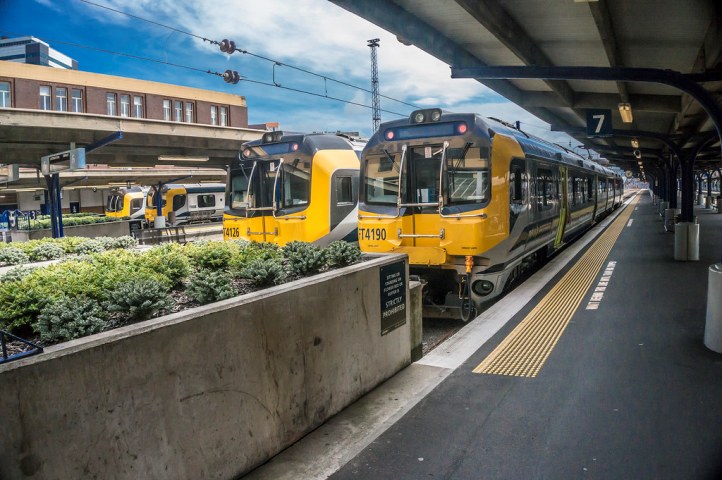
Wellington's metro rail network is set to receive a $137.2 million boost, addressing long-overdue upgrades to its ageing substations and improving service reliability, Transport Minister Simeon Brown has announced.
The investment will fund the repair, replacement, and construction of substations, some of which are between 60 and 90 years old. The upgrades will help manage electrical capacity across the network, ensuring consistent and uninterrupted train services for commuters.
"When the substations go down, so do the trains," Minister Brown said. "This significant investment will not only keep Wellington's trains running smoothly but also strengthen the network's resilience against severe weather events such as storms, heavy rainfall, and high winds."
The project includes the construction of five additional substations to meet growing commuter demand, power new Wairarapa and Manawatū trains, and support more frequent 15-minute services on existing lines.
Integrated Rail Mobility for the Lower North Island
The upgrades are part of the Government's commitment to the Lower North Island Rail Integrated Mobility (LNIRIM) project, a comprehensive initiative to improve public transport in the region. Complementary investments under Budget 2024 include upgrades to tracks, signals, bridges, retaining walls, culverts, train platforms, and urgent repairs to the Porirua Harbour seawall.
"These upgrades are key to improving reliability, which we know is critical for encouraging commuters to choose public transport over private vehicles," Minister Brown said.
Benefits for Commuters and the Economy
The enhancements are expected to support increased rail travel demand while reducing road congestion. By providing faster, safer, and more reliable services, the upgrades aim to bolster economic productivity, improve commuter experiences, and support the region's environmental goals by reducing greenhouse gas emissions.
The Minister also highlighted the broader economic impact of the project. "Delivering infrastructure that reduces congestion and boosts productivity supports economic growth, enabling Kiwis to get where they want to go, quickly and safely."
Additional Plans for the Rail Network
Beyond the substation upgrades, the Government is working to future-proof Wellington's rail network with initiatives such as:
New Rolling Stock: Supporting the introduction of new trains for long-distance and regional routes.
Resilient Infrastructure: Strengthening critical structures like bridges and seawalls to withstand extreme weather events.
Service Frequency Improvements: Rolling out more frequent services to meet demand and reduce wait times for passengers.
A Commitment to Public Transport
This investment underscores the Government's focus on creating a reliable and efficient public transport network across New Zealand's major cities.
"Our top priority is delivering effective public transport solutions that encourage commuters to make sustainable travel choices," Minister Brown concluded. "By modernizing our rail infrastructure, we're not only ensuring reliable services today but building a system that can support Wellington's growth in the years ahead."
The upgrades are expected to begin promptly, with commuters seeing tangible improvements as projects progress.


 Google News