

Trade Tariffs Challenge US-Linked Manufacturing Chains
President-elect Donald Trump's proposed tariffs on key trade partners - Canada, Mexico, and China - could significantly impact various industries, especially the automotive sector. Companies like Audi, Toyota, and Tesla face challenges in adjusting their production and export strategies to align with potential new trade regulations.
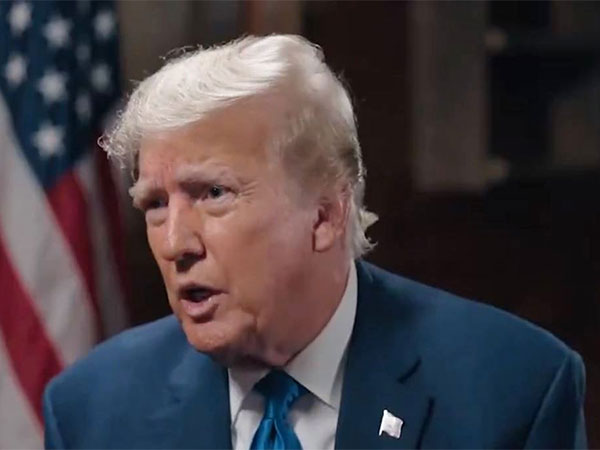
President-elect Donald Trump's recent pledge to implement tariffs on three of the United States' largest trading partners—Canada, Mexico, and China—has sparked concern among automakers and other industries reliant on international supply chains.
In Mexico, major manufacturers like Audi, BMW, and Toyota have been pivotal in exporting vehicles to the U.S. market. With potential tariffs looming, these companies might need to reassess their operation strategies to mitigate financial impacts.
Beyond the automotive sector, electronics and consumer goods companies like Foxconn, Lenovo, and Procter & Gamble are also evaluating their supply routes and production efficiency as they navigate the uncertain future of U.S. trade policy.
ALSO READ
-
EU Firms Rethink Supply Chains as Geopolitical Risks Reshape Global Trade
-
Trade War Chessboard: Agriculture, Energy, and Rare Earths in Focus
-
Trump and Xi Set for High-Stakes Summit: Trade, Taiwan, and Technology in Focus
-
US Tariff Announcement Delay Amidst Xi-Trump Summit
-
European Markets Surge as Fed's Rate Hike Boosts Investor Confidence


 Google News