

Decolonising African Agriculture: A Radical Agroecological Transformation
Africa faces escalating hunger, largely due to outdated postcolonial agricultural models. Current methods prioritize commercial farming over sustainable practices, failing to effectively tackle food insecurity. Prominent voices advocate for agroecology as a transformative approach, fostering self-sufficiency and harnessing indigenous knowledge for sustainable food security.
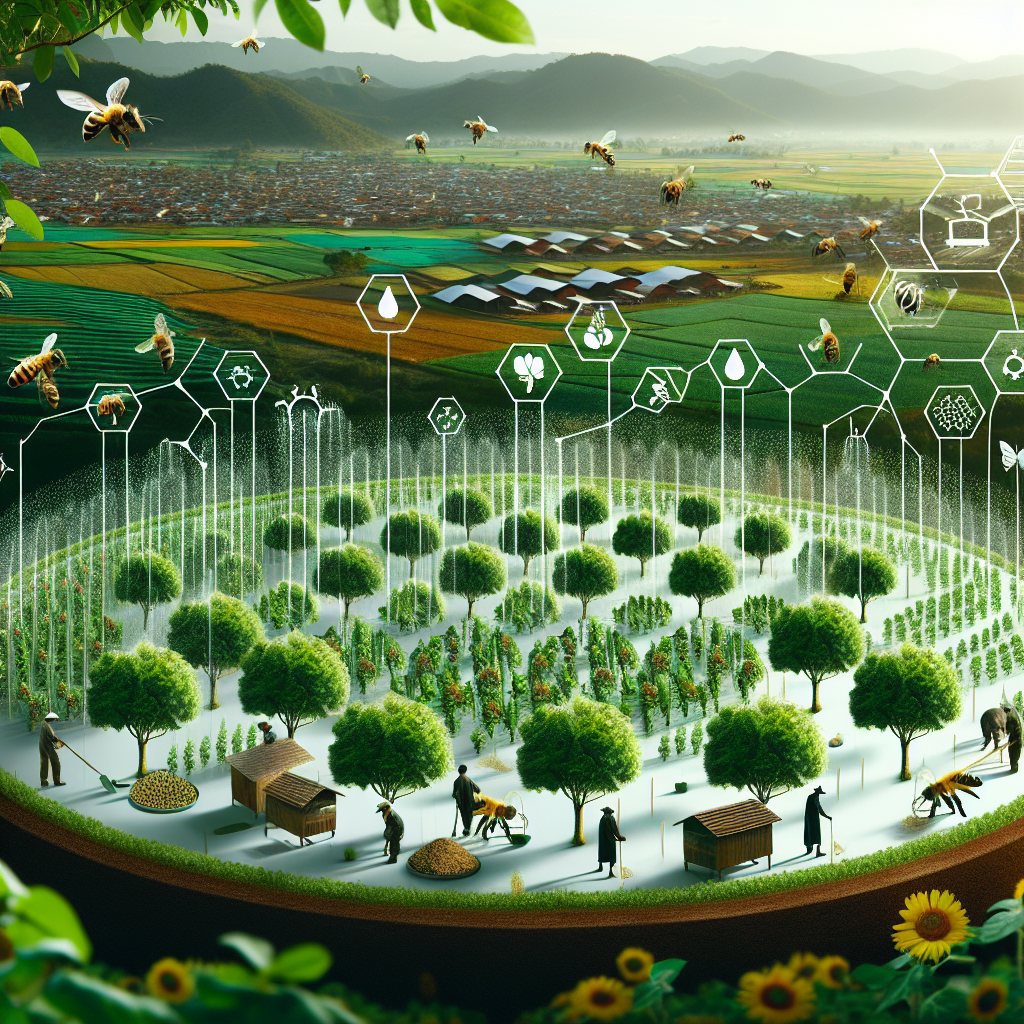
Africa is grappling with worsening hunger rates, with over 20% of its population suffering from undernourishment, according to the UN's 2024 report on global food security. This situation has been exacerbated by climate change and conflict.
Experts argue a root cause lies in lingering postcolonial agricultural strategies prioritizing commercial farming over sustainable food security. Such approaches focus heavily on food production, neglecting essential aspects like accessibility and sustainability.
Agricultural scholars and advocates suggest agroecology as a potential remedy. By relying on indigenous farming practices and ecological balance, agroecology could usher in a new era of sustainable food systems for Africa, moving away from traditional agronomic models.


 Google News