

Trade Tensions Escalate: China's Strategic Tariff Response
China has implemented targeted tariffs on U.S. imports and has signaled potential sanctions on several American companies, including Google, in response to tariffs imposed by President Trump. Beijing aims to engage in talks with the U.S. to avoid a full-blown trade war affecting global economies.
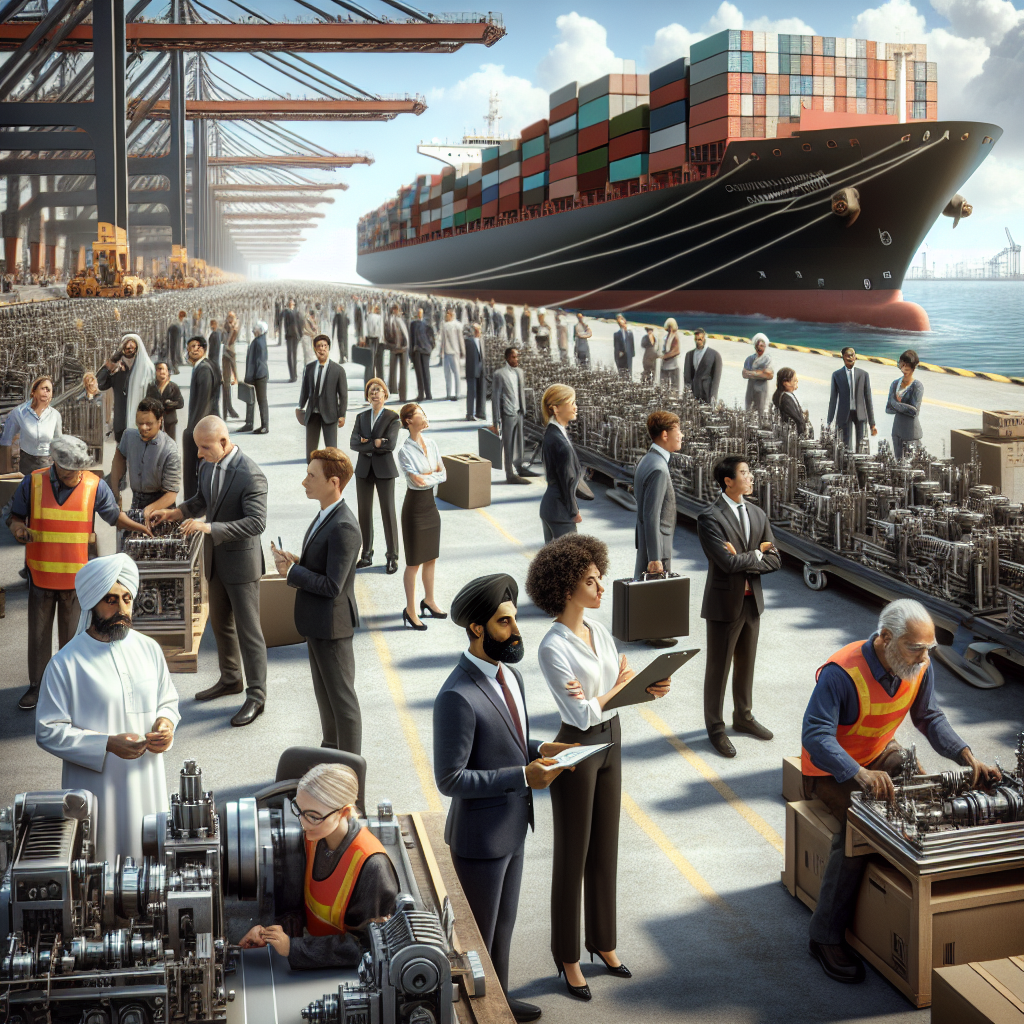
In a calculated reaction to U.S. tariff impositions, China on Tuesday announced targeted tariffs on American imports and issued warnings to several U.S. companies, signaling potential sanctions. China's restrained response reflects its desire to engage President Trump in negotiations to prevent a trade conflict between the two largest global economies.
Analyses by Capital Economics estimate China's new tariffs, totaling around $20 billion worth of annual imports, are modest compared to the $450 billion of Chinese goods subject to U.S. tariffs. The measures serve to communicate a message to the United States while leaving room for diplomatic dialogue.
In an environment of levies and retaliations, China has introduced tariffs on U.S. coal, LNG, and other commodities, initiated an antitrust probe into Alphabet Inc's Google, and placed restrictions on key metals exports. Analysts caution about ongoing risks of tariffs fueling market volatility, reflecting strained U.S.-China relations.
ALSO READ
-
WTO Sets Up Panel on EU Carbon Border Rules as Russia Challenges Restrictions
-
WHO Brings Global Experts Together to Strengthen Herbal Medicine Quality and Safety
-
Human Cost of Faster Work: Chinese Employees Weigh AI’s Promise Against Pay Fears
-
China's August Disasters Yield $5.38 Billion in Losses
-
Trade War Chessboard: Agriculture, Energy, and Rare Earths in Focus


 Google News