

Yuan's Tumble: Navigating China's Currency Strategy Amid Trade Pressures
China's yuan recently slumped to its lowest point against the dollar since the 2007 financial crisis, amid an ongoing Sino-U.S. trade war. Beijing's strategic tariffs and currency adjustments aim to stabilize its economy. Analysts note the challenges of maintaining a stable yuan amid trade tensions.
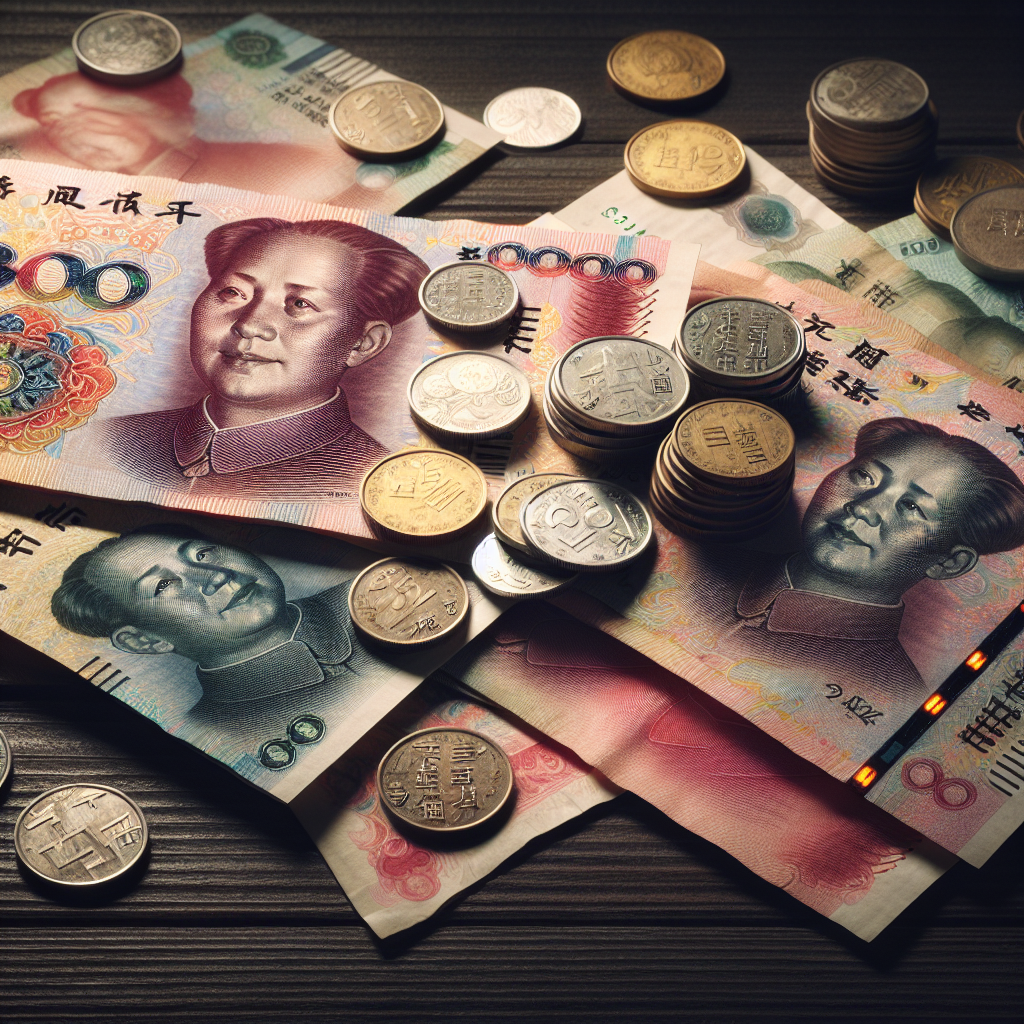
China's yuan recently plunged to its lowest level against the U.S. dollar since the global financial crisis of 2007. This decline comes as the People's Bank of China continues to lower its guidance for the yuan, amidst an escalating trade conflict between China and the United States.
In response to U.S. tariffs on Chinese goods, Beijing has implemented steep tariffs on U.S. imports. Although President Trump hinted at temporarily reducing some duties, tariffs on Chinese goods have been increased. This intensifying trade war has significant implications for the financial market.
Analysts suggest that while a weaker yuan could make Chinese exports more competitive by countering the effects of tariffs, it could also lead to capital outflows and financial instability. China's central bank has taken steps to prevent sharp declines in the yuan by advising state-owned lenders to limit dollar purchases.


 Google News