

U.S. Trade Deficit Surges in May Amid Export Decline: Economic Rebound Anticipated
In May, the U.S. trade deficit widened significantly to $71.5 billion as exports fell, despite a modest decline in imports. Structural trade changes, including effects from Trump-era tariffs, have added complexity to economic forecasts. Analysts expect a trade-driven economic rebound in the second quarter, though consumer spending remains lackluster.
- Country:
- United States
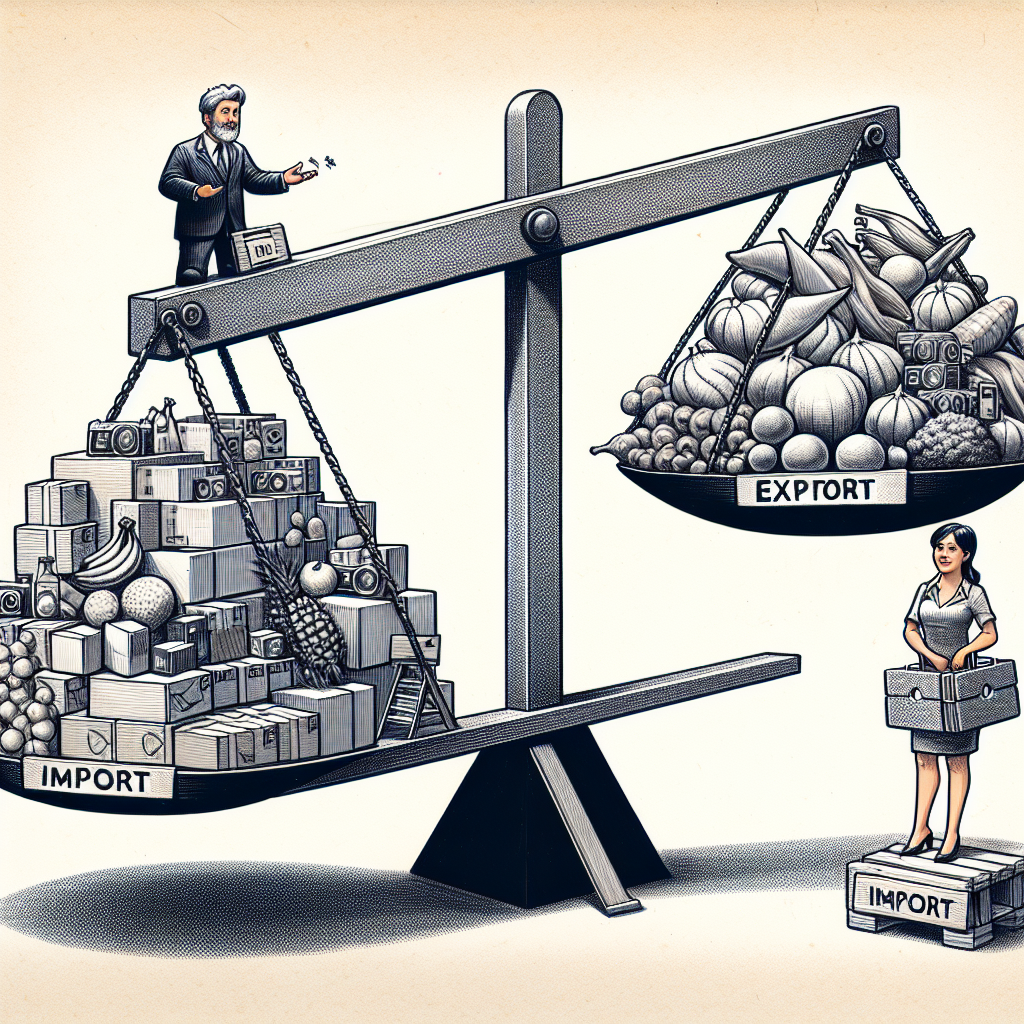
The U.S. trade deficit experienced a sharp increase in May, growing by 18.7% to reach $71.5 billion, according to the Commerce Department's Bureau of Economic Analysis. This spike came as exports declined, although a dip in imports might contribute to an economic recovery in the second quarter.
Revised figures for April revealed the trade deficit was $60.3 billion instead of the initially reported $61.6 billion. This discrepancy had a significant impact on the GDP, trimming 4.61 percentage points in the first quarter, contributing to a 0.5% annualized drop in GDP. Economists foresee a recovery in the following quarter, albeit stunted by weak consumer spending.
The ongoing trade complexities are partly rooted in President Donald Trump's broad tariff measures that have influenced import patterns. While imports fell marginally by 0.1% to $350.5 billion, exports decreased by 4.0% to $279.0 billion. These fluctuating figures are complicated by various factors, including shifts in consumer goods, capital goods, and services trade.


 Google News