

Sanctions and Strategy: A Push for Peace Talks in Ukraine
U.S. Treasury Secretary Scott Bessent suggests that increased economic pressure on Russia by the U.S. and the EU could force President Vladimir Putin into peace talks with Ukraine. However, cooperation from European allies is crucial to this strategy, which aims to break the stalemate in the ongoing conflict.
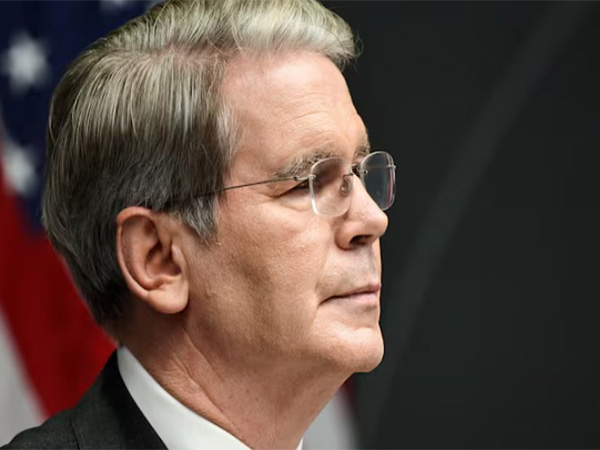
U.S. Treasury Secretary Scott Bessent proposed on Sunday that heightened economic pressure from the U.S. and Europe could compel Russian President Vladimir Putin to negotiate peace with Ukraine. Bessent emphasized the role of additional sanctions and tariffs on nations purchasing Russian oil in destabilizing Russia's economy potentially compelling Putin to enter talks.
Speaking on NBC's Meet the Press, Bessent underscored the importance of European collaboration in mounting economic pressure on Russia. The Trump administration, Bessent noted, is ready to escalate measures against Russia, but stresses European participation to ensure effectiveness in the face-off between Ukrainian resilience and Russian economic endurance.
President Donald Trump, frustrated by the ongoing conflict in Ukraine despite initial expectations of a swift resolution, has withheld new sanctions against Russia and China, a major buyer of Russian oil. Instead, Trump has increased tariffs on U.S. imports from India, another significant consumer of Russian energy, as part of the broader strategy.
ALSO READ
-
Escalating Drone Attacks Intensify Russo-Ukrainian Conflict
-
Pandora's Box of Economic Warfare: Russia vs Ukraine
-
Pandora's Box: Economic Retaliation in the Russia-Ukraine Conflict
-
Tensions Escalate: U.S. Sanctions Squeeze Iran Amid Ongoing Conflict
-
Escalating Tensions: U.S. and Iran on Brink as Sanctions Loom


 Google News