

Iran's Dilemma: Navigating Isolation Amid Sanctions and Domestic Discontent
Iran faces a critical crisis, balancing internal discontent and stalled nuclear deals amid reinstated U.N. sanctions. The situation risks fracturing the ruling elite, with concerns over potential Israeli military action. Public anger grows over economic woes, putting further pressure on Iran's clerical rulers.
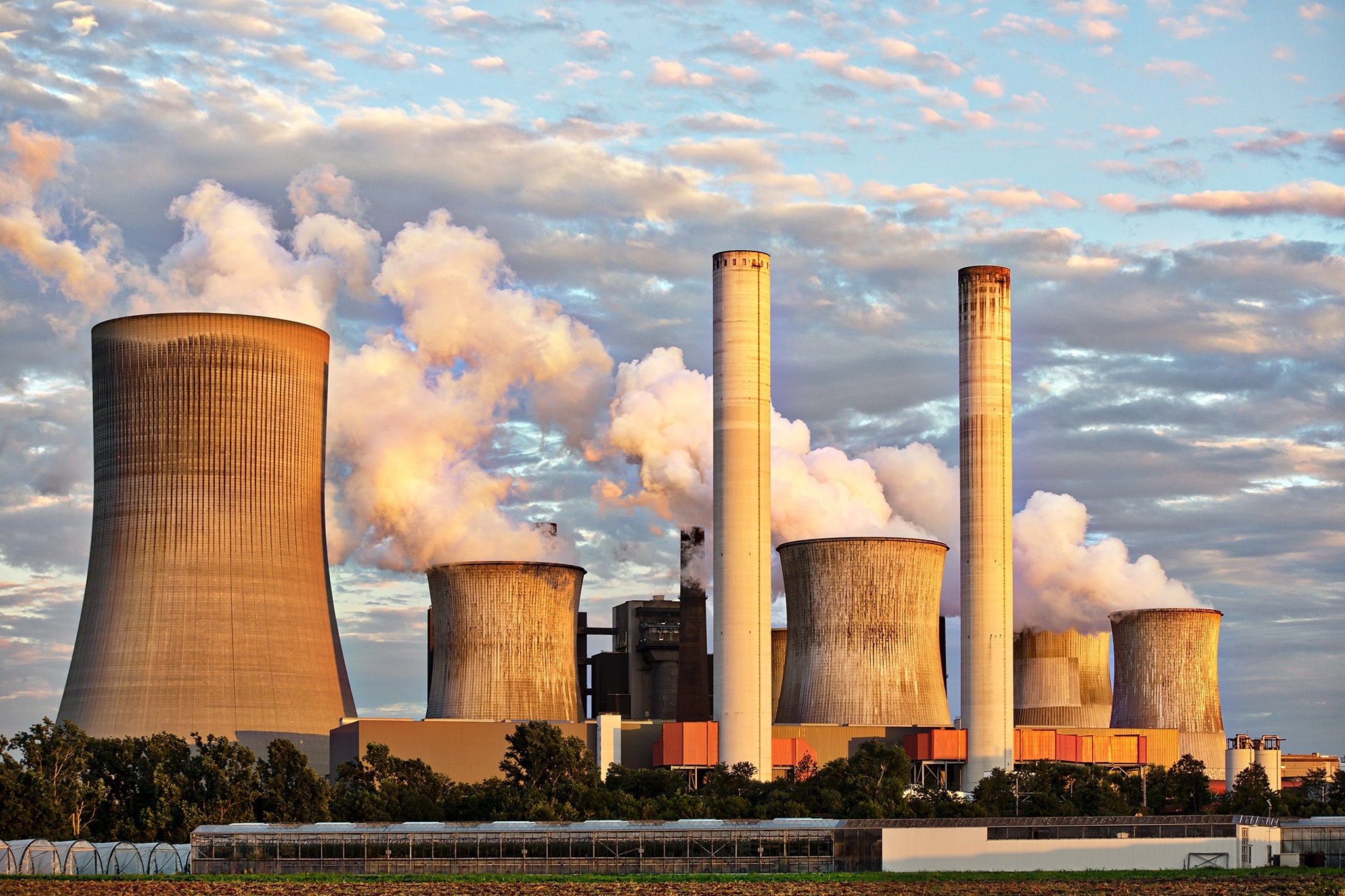
Iran is contending with one of its most severe challenges since the 1979 Islamic Revolution, as internal discontent grows and a nuclear deal remains stagnant, leading to increased isolation and division.
The United Nations reinstated sanctions after negotiations with European countries failed, exacerbating Iran's economic isolation and public anger. Accepting Western demands could fracture Iran's leadership and challenge its anti-Western stance.
With recent U.S.-Israeli military threats, fears rise of renewed attacks on nuclear sites, while public frustrations over economic conditions intensify the crisis. Some leaders advocate maintaining the status quo to avoid further conflict.
ALSO READ
-
Poverty in the Line of Fire: UN Experts Demand Iran End Border Courier Killings
-
Iran’s Civilians Trapped Between State Repression and Deadly Strikes, UN Warns
-
Lee Jae Myung's Diplomatic Milestones: Balancing Amidst Global Tensions
-
Hackers Compromise US-Bound Vessels: Security Breach in the Gulf of Mexico
-
Tanker Trouble: Togo Vessel's Fiery Halt in Hormuz


 Google News