

Afghanistan's Opium Poppy Dilemma: The Shrinking Fields and Rising Synthetic Threat
Opium poppy cultivation in Afghanistan declined by 20% this year, a follow-up to the collapse in 2023 after the Taliban's narcotics ban. Despite a reduced harvest, opium prices fell 27%, suggesting shifting market dynamics. Meanwhile, synthetic drug production, particularly methamphetamine, continues to rise, revealing changing criminal business models.
- Country:
- Austria
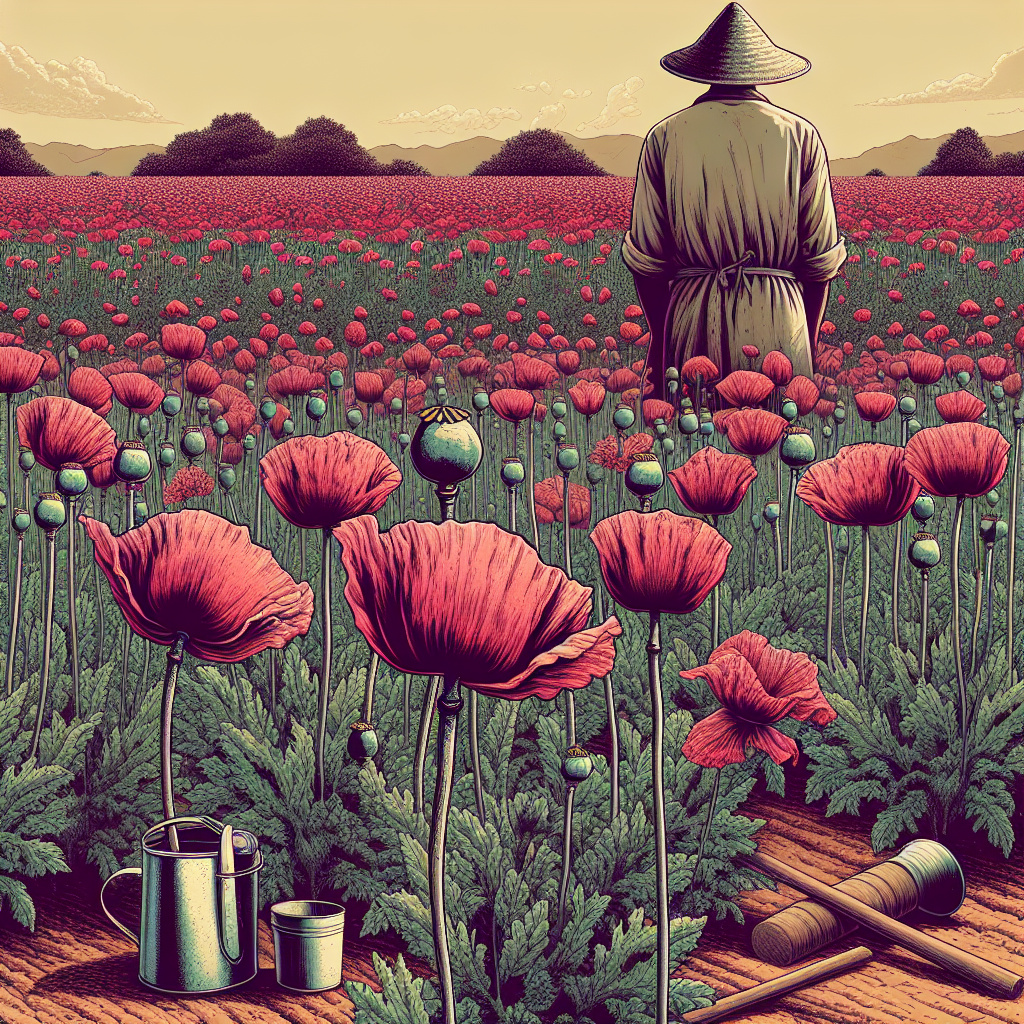
According to a recent U.N. report, Afghanistan's opium poppy cultivation has reduced by 20% this year, marking a continued decrease since 2023 when the Taliban banned narcotics production. This has led to a further 32% drop in the opium harvest, estimated at 296 tons.
The UNODC's annual survey reveals these fluctuations amidst a backdrop of drastic changes since 2022, when the Taliban's narcotics prohibition caused a sharp fall in opium cultivation. Current estimates place cultivation at 10,200 hectares, significantly lower than 2022's 232,000 hectares.
Despite smaller harvests, opium prices have declined by 27% to $570 per kilogram. This price drop indicates a shift in market dynamics, potentially pushing illicit cultivation to other regions. Meanwhile, the production of synthetic drugs like methamphetamine is rising, becoming a preferred operation for organized crime due to ease of production and resilience against enforcement.


 Google News