

The Energy Transformation: COP21 to COP30
In the decade since COP21, renewable energy has surged, yet fossil fuels still dominate global energy supplies. Renewables led by solar and wind have grown, but global emissions continue to rise, driven by increased fossil fuel use in parts of Asia. Future trends include battery energy storage expansion.
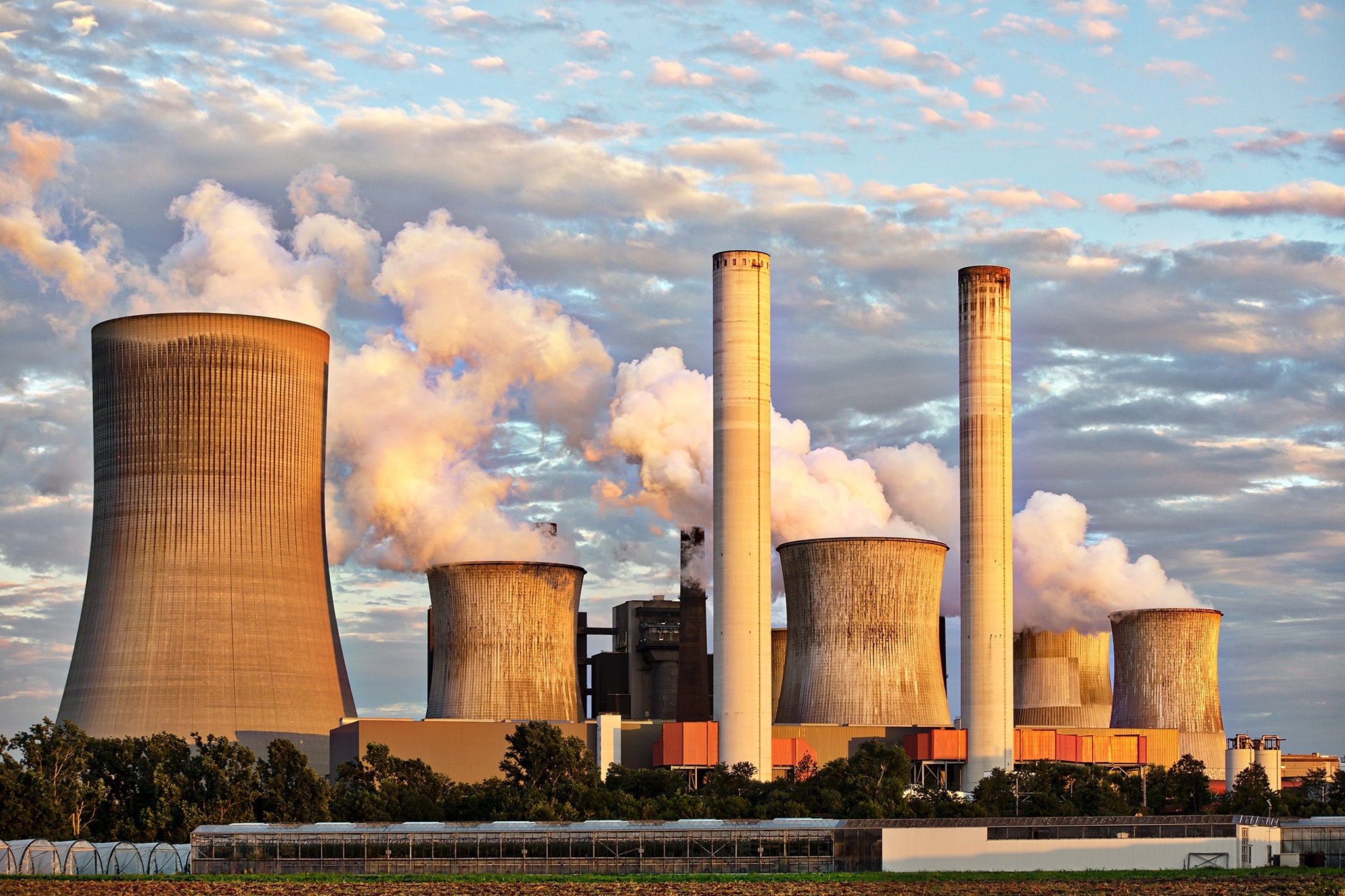
A decade after the pivotal COP21 Paris Agreement aimed at limiting global warming, significant strides have been made in the energy sector, yet challenges remain. The surge in renewable energy deployment and electric vehicle sales has revolutionized global markets, prompting the 'electrify everything' movement worldwide.
Despite these advances, fossil fuels like coal, crude oil, and natural gas still dominate, contributing to a rise in global energy emissions, which are nearly 10% higher than in 2015. Data shows fossil fuels account for approximately 87% of total energy supplies, down slightly from 89% in 2015.
Encouragingly, clean energy production is on the rise, with substantial growth in solar, wind, and battery systems. While Europe and Latin America lead in clean electricity generation, Asia continues to expand its renewables and energy storage capacities, poised to impact future emissions positively.
ALSO READ
-
Carbon Capture Could Cut Solar Power Waste and Battery Needs Across ASEAN
-
€300M Financing Deal Gives Czech and Slovak Businesses Room to Grow Greener
-
EIB Backs Reactive Technologies to Cut Outage Risks and Boost Clean Power
-
Maldives Targets Debt and Fuel Dependence as ADB Sets Out Five-Year Support Plan
-
AfDB selects four green hydrogen projects of $20 million grants in Africa


 Google News