

EU's Push for Cross-Border Energy Infrastructure
The European Union aims to enhance cross-border energy infrastructure to reduce bottlenecks and expedite power grid development. Investments in low-cost renewable energy need matching grid expansions. The EU plans centralized strategies to reduce high energy costs and achieve significant economic savings for Europeans.
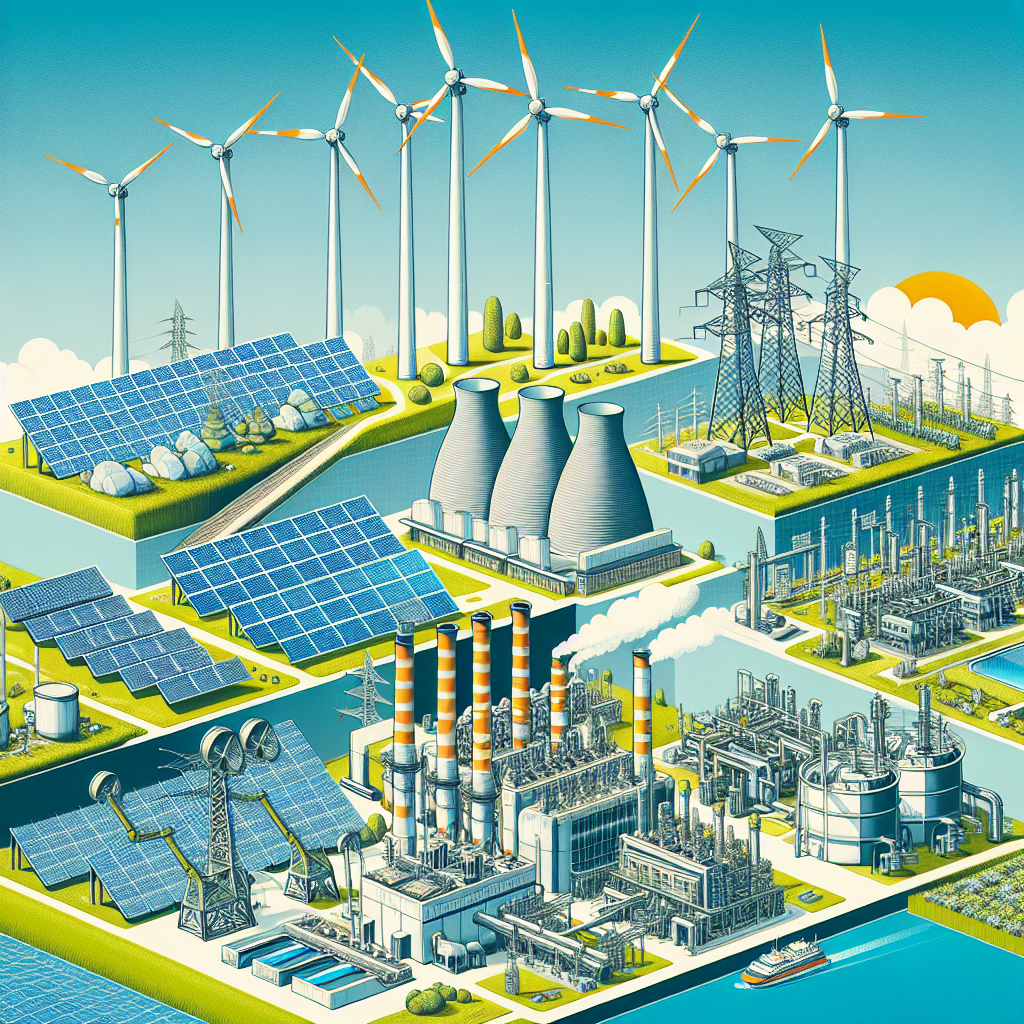
The European Union is ramping up efforts to bolster cross-border energy infrastructure to alleviate expensive bottlenecks hampering the development of new power grids, according to draft documents accessed by Reuters.
Despite significant investments in low-cost renewable energy, EU countries face challenges in grid upgrades and expansion, leading to restrained wind and solar output and increased consumer costs. A central EU plan will be developed to tackle these issues, working with operators to kickstart projects, the draft reveals.
High energy prices in Europe, due to insufficient grid investment, are undermining industrial competitiveness. Proposals to change EU laws, exempt certain projects from environmental assessments, and implement time limits for permit approvals aim to expedite grid development and reduce power system costs.
ALSO READ
-
Benin’s Growth Surges as $2.43 Billion Annual Funding Need Shapes Its Economic Future
-
São Paulo’s $460M Ferry Overhaul Brings Electric Vessels and New Local Jobs
-
Thailand’s Road to High-Income Status Runs Through Bangkok and Smaller Cities
-
AfDB and France Build €2.4 Billion Partnership for Jobs and Growth
-
Thailand’s High-Income Future Will Be Shaped by Smarter Cities


 Google News