

Rising Warehouses: Tackling E-commerce's Hidden Pollution Problem
The rise in e-commerce during the pandemic has led to an increase in warehouse construction, raising local pollution concerns. Indirect source rules (ISRs) emerge as a tool to address traffic-related pollution, especially as federal regulations weaken. New York and other states are exploring ISRs to combat these pollution hotspots.
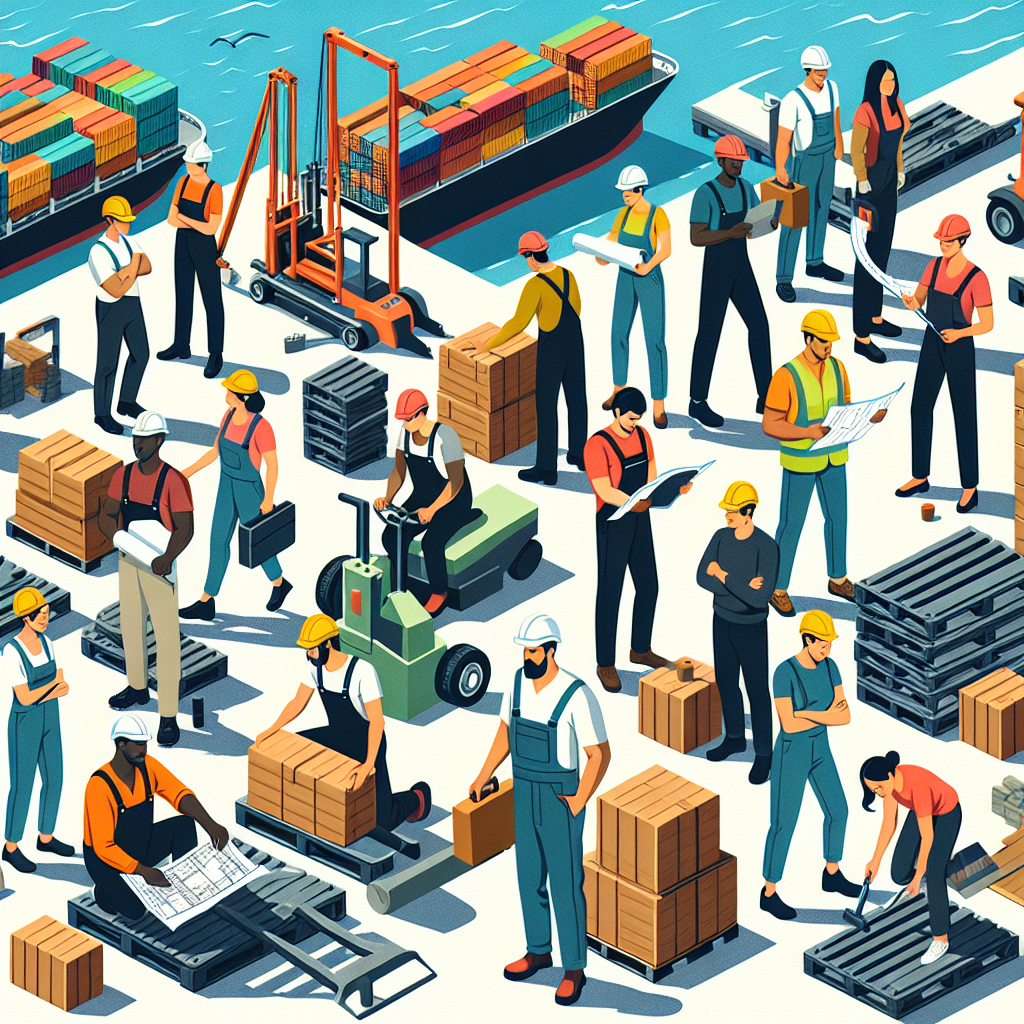
The surge in e-commerce spurred by the pandemic has led to sprawling warehouse construction, fueling pollution concerns in populated areas. This trend is particularly visible in New York City, where residents of neighborhoods like Red Hook are witnessing more trucks and warehouses without consultation.
Indirect Source Rules, or ISRs, offer a novel approach to curbing the resultant pollution. These rules target the traffic surge linked to warehouses, a need accentuated by the federal government's rollback of clean air standards under former President Trump. States like New York, New Jersey, and California are considering ISRs to tackle the issue effectively.
The success seen in Los Angeles with warehouse-specific ISRs has sparked interest across several states. As local policymakers grapple with increased truck trips and environmental risks, ISRs represent a significant step towards sustainable solutions despite federal opposition, pushing forward initiatives like the New York State Clean Deliveries Act.


 Google News