

Niigata's Nuclear Crossroads: Japan's Energy Future on the Line
Niigata is set to restart the Kashiwazaki-Kariwa nuclear plant, marking a shift in Japan's energy strategy post-Fukushima. Despite local opposition, TEPCO plans to reignite reactors to ease fossil fuel dependency. The move stirs old fears while aiming to secure Japan's energy future.
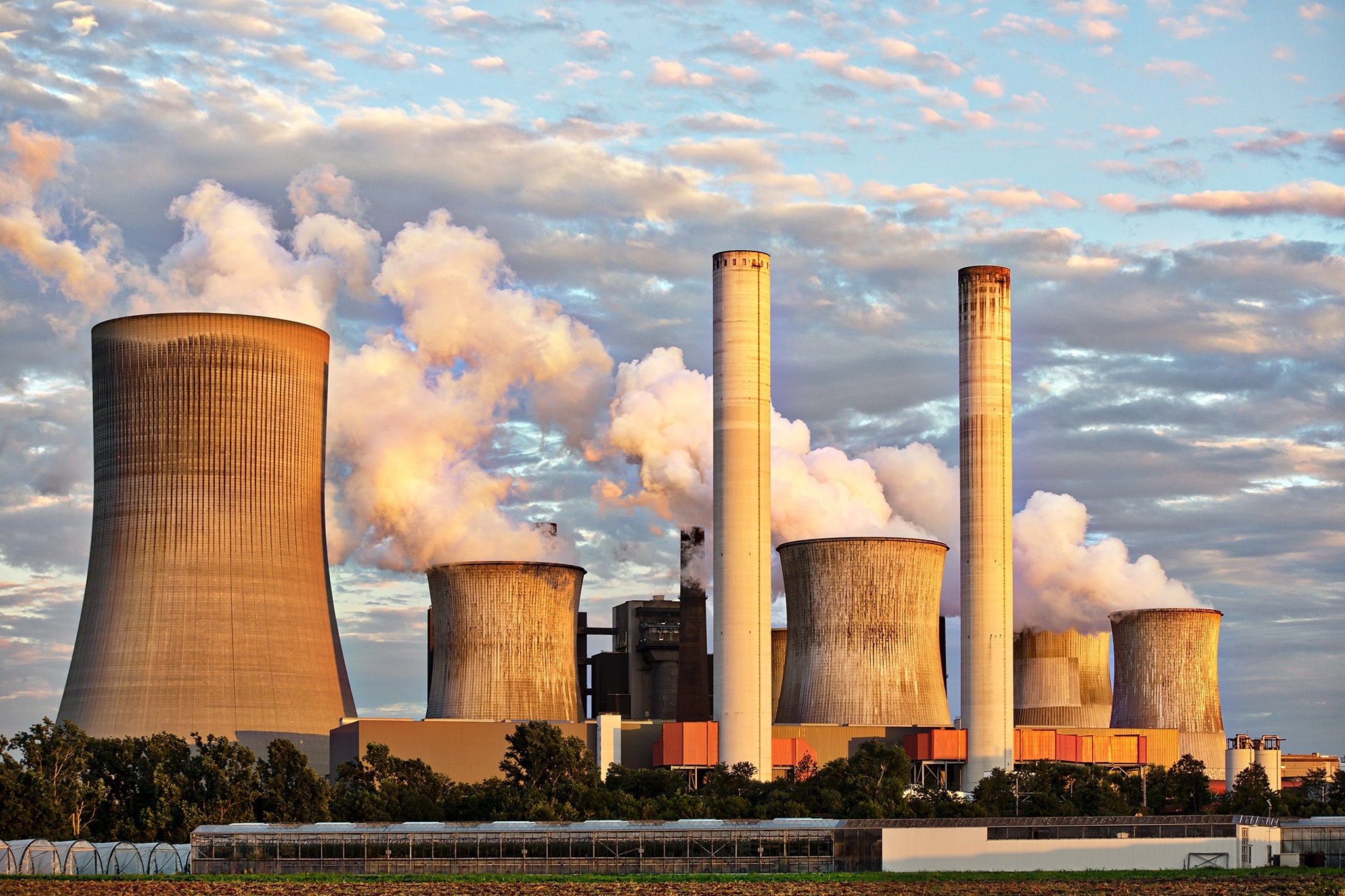
The Japanese prefecture of Niigata is on the brink of a pivotal decision to restart the Kashiwazaki-Kariwa nuclear plant, symbolizing Japan's complex turn back to nuclear energy after the catastrophic Fukushima disaster in 2011. Located northwest of Tokyo, the plant was shuttered following the earthquake-induced Fukushima crisis, marking a significant event in the nation's nuclear history.
TEPCO, the operator of the Kashiwazaki-Kariwa plant, is seeking approval to reactivate the first of seven reactors, despite apprehension among about 60% of the residents, as per a local survey. The company has committed to injecting significant financial resources into the community to garner support, yet locals remain cautious.
This decision holds national significance as Japan grapples with energy demands, primarily fueled by imported fossil resources. With the government, including Prime Minister Sanae Takaichi, endorsing nuclear restarts, the goal is to meet growing energy needs and climate commitments. However, for many locals, the nuclear restart is a stark reminder of past traumas, sparking protests and unease.


 Google News