

EU and Mercosur Seal Historic Trade Deal Amid Controversy
The European Union has approved its largest free trade agreement with the Mercosur group after 25 years of negotiation, amidst protests from farmers and opposition from several EU countries. The agreement aims to reduce reliance on China and offset U.S. tariffs, but faces environmental and agricultural opposition.
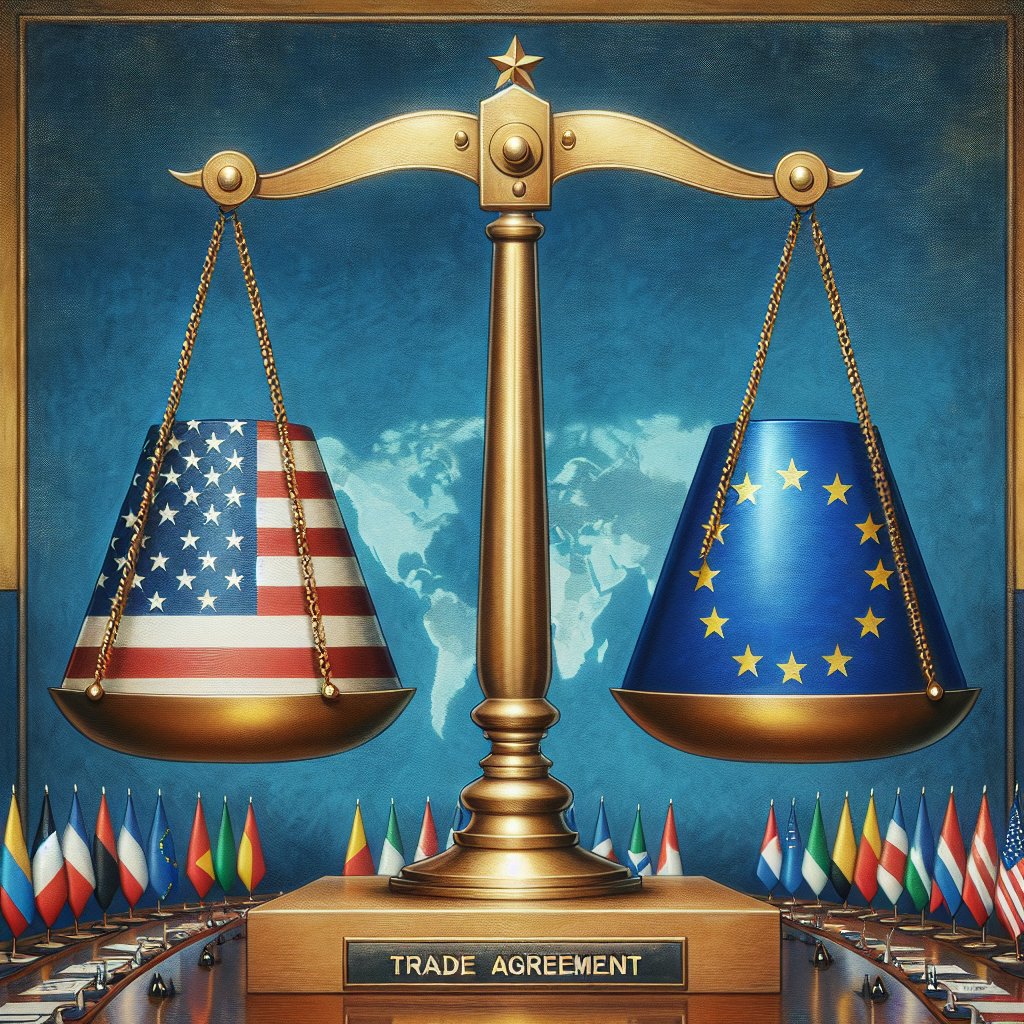
The European Union has finally given the nod to its most significant free trade agreement with Mercosur, involving Argentina, Brazil, Paraguay, and Uruguay, after a quarter-century of discussions. Friday's approval came despite vivid protests from European farmers who blockaded highways in countries like France and Belgium.
The accord, seen as a strategic move to counteract business losses from U.S. tariffs and reduce dependence on China, has aimed to remove billions in tariffs, thereby boosting EU exports in machinery and chemicals while opening European markets to South American agricultural goods.
Despite support from Germany and other EU nations, countries like France and Poland stand in opposition due to concerns over agricultural impacts. Environmentalists also object to the deal, citing deforestation risks in the Amazon. The agreement now awaits ratification by the European Parliament, with a decision expected by next spring.
ALSO READ
-
UN Experts Warn Children Reporting Sexual Abuse in France Still Face Risks in Court
-
France Plans Housing Hub to Unlock European Funding and Technical Expertise
-
AfDB and France Build €2.4 Billion Partnership for Jobs and Growth
-
The Azcatitlan Codex Returns: A Historical Reunion After 183 Years
-
France's Ambitious Plan to Tame Deficit Amid Protests


 Google News