

Europe Faces Energy Price Crisis Amid Conflict
Eurogroup chair emphasizes swift European action if high energy prices persist due to the U.S.-Israeli conflict with Iran. European governments are under pressure to help mitigate inflationary impacts. Despite potential disruptions, Greece's economy is predicted to grow by 2%. The EU plans significant investments in clean energy and infrastructure.
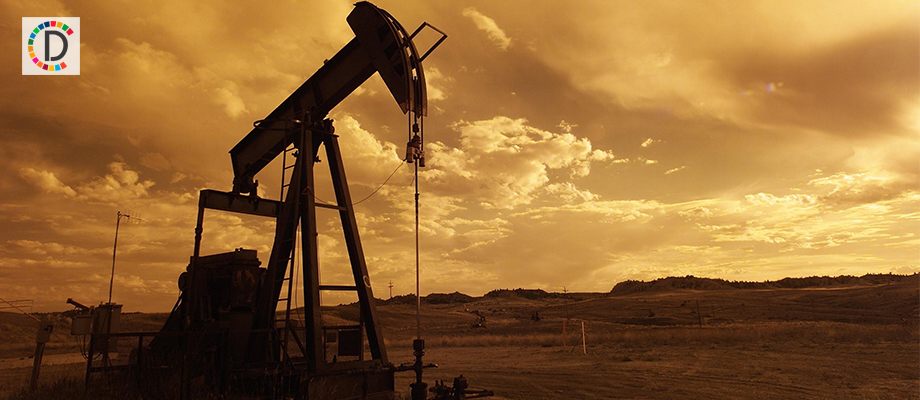
The chair of the Eurogroup has called for swift and coordinated action in response to persistently high energy prices exacerbated by the ongoing U.S.-Israeli war on Iran. The conflict has led to a 37% increase in oil prices, prompting inflationary concerns and placing pressure on European governments to support households and businesses.
Kyriakos Pierrakakis, who also serves as Greece's finance minister, highlighted the trickle-down effects of the conflict on energy markets, transport, and consumer prices. As some European nations implement profit caps, Pierrakakis believes the Greek economy remains strong, with an anticipated growth rate of 2% even under adverse conditions.
The European Union is actively exploring measures to ease industry pressures, including re-evaluating energy taxes and funding clean energy initiatives. Pierrakakis underscored the importance of strengthening financial markets within the EU to boost competitiveness and resilience.
ALSO READ
-
Middle Corridor Could Create 2 Million Jobs and Transform Trade in Nine Nations
-
Historic Move: U.S. Army Base in Poland Signals Stronger Alliance
-
Europe on the Brink: Slovak PM Advocates for Peace Amid Rising Tensions
-
Diplomatic Exclusion Raises Alarm in U.S. Military Review
-
Europe's Migration Crisis: Fewer Arrivals, More Fatalities


 Google News