

PCOS Linked to Higher Risk of Eating Disorders: New Study
A new study reveals that women with polycystic ovarian syndrome (PCOS), affecting about one in eight to ten women of reproductive age globally, are at a 50% higher risk of developing eating disorders such as bulimia and binge-eating disorder. The study stresses the need for routine screening for eating disorders in women with PCOS.
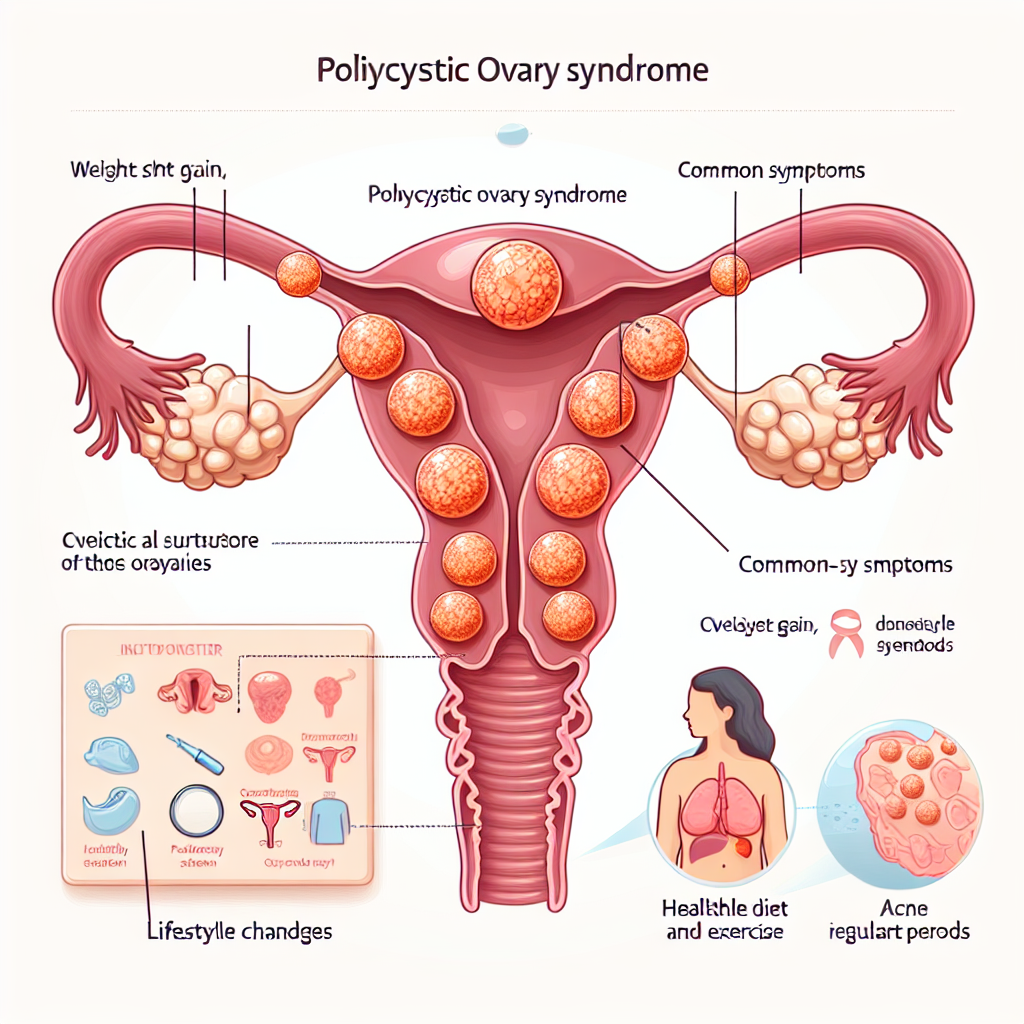
Women with hormonal condition PCOS could be at about 50 per cent more risk of developing eating disorders, including bingeing, according to a new study.
Polycystic ovarian syndrome (PCOS), affecting roughly one in eight to 10 women in their reproductive ages globally, is marked by elevated testosterone levels and symptoms like irregular menstrual cycles and excess body hair. This new study confirms an increased risk of specific eating disorders among women with PCOS, particularly bulimia and binge eating disorder, says Laura Cooney, an associate professor at the University of Wisconsin, US.
Bulimia involves binge-eating followed by behaviors to prevent weight gain such as induced vomiting, excessive exercise, or fasting. Women with PCOS are also at higher risk of metabolic disorders like diabetes and reproductive issues including infertility. According to Cooney, weight stigma in women with PCOS can affect mental health and lead to disordered eating. The study, published in The Journal of Clinical Endocrinology and Metabolism, analyzed data from 20 cross-sectional studies covering nearly 29,000 women with PCOS and 2.5 lakh healthy women. The findings emphasize the need for healthcare providers to screen for eating disorders among women with PCOS before advising on lifestyle changes.


 Google News