

Artificial Wombs: The Next Frontier in Reproductive Technology
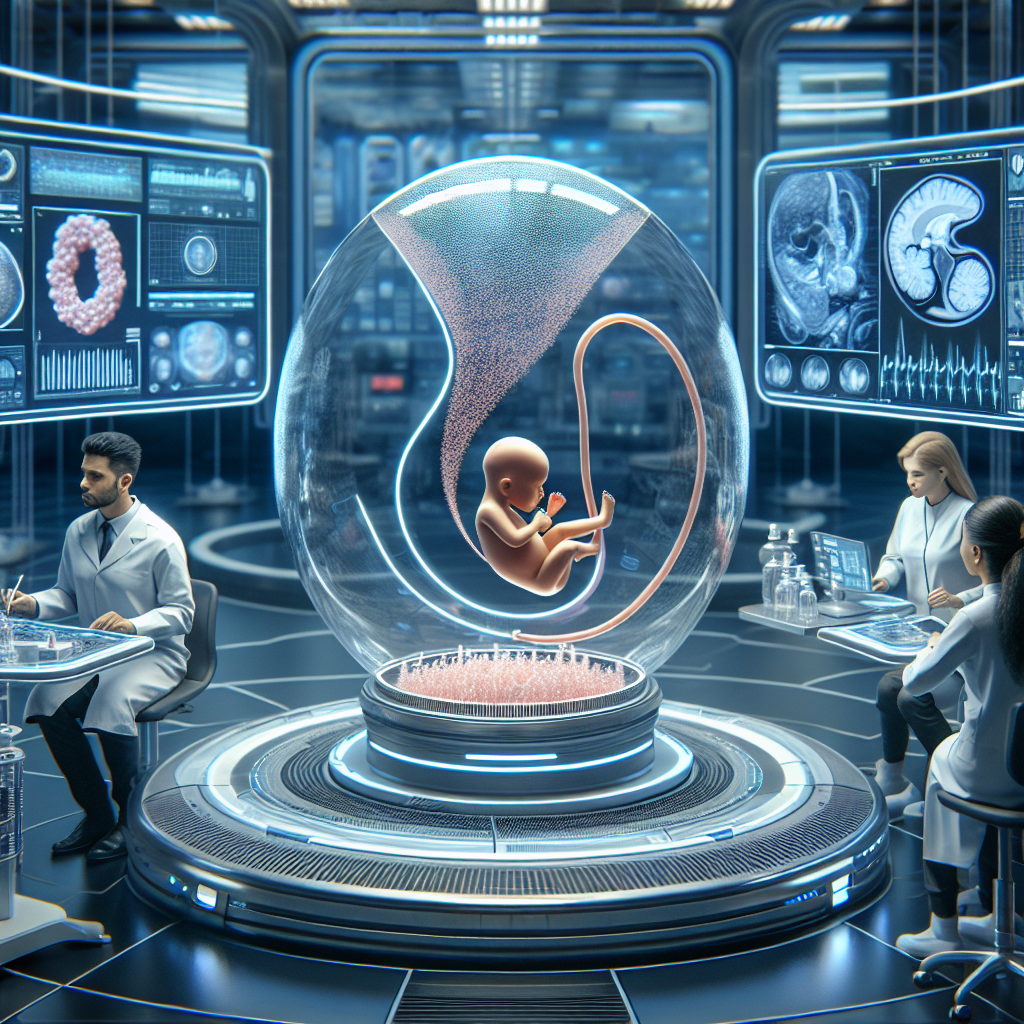
Artificial womb technology (AWT) is on the cusp of advancing from speculative fiction to reality. This innovation could reshape reproductive medicine, challenge existing laws on abortion, and disrupt the global surrogacy market. However, it also poses ethical dilemmas and could deepen social inequalities if not properly regulated.
- Country:
- United Kingdom
Artificial wombs, once relegated to the realm of science fiction, are nearing practical application and could transform the landscape of reproductive technology. A Chinese company's ambitious claims, although later debunked, underscore the potential of these devices in the biomedicine field.
This technology could significantly disrupt current reproductive practices like surrogacy and reshape legal and ethical frameworks. However, the move towards full ectogenesis still requires substantial progress in placental bioengineering and safety measures.
The potential implications are vast, ranging from altering abortion debates to revolutionizing neonatal care. Without robust regulation, the introduction of artificial wombs might widen existing social inequalities rather than diminish them.


 Google News