

WHO Moves Forward on Pathogen Access and Benefit-Sharing for Pandemic Pact
The mechanism, seen as a cornerstone of the WHO Pandemic Agreement, will ensure that the world is better equipped to respond swiftly and equitably to future global health emergencies.
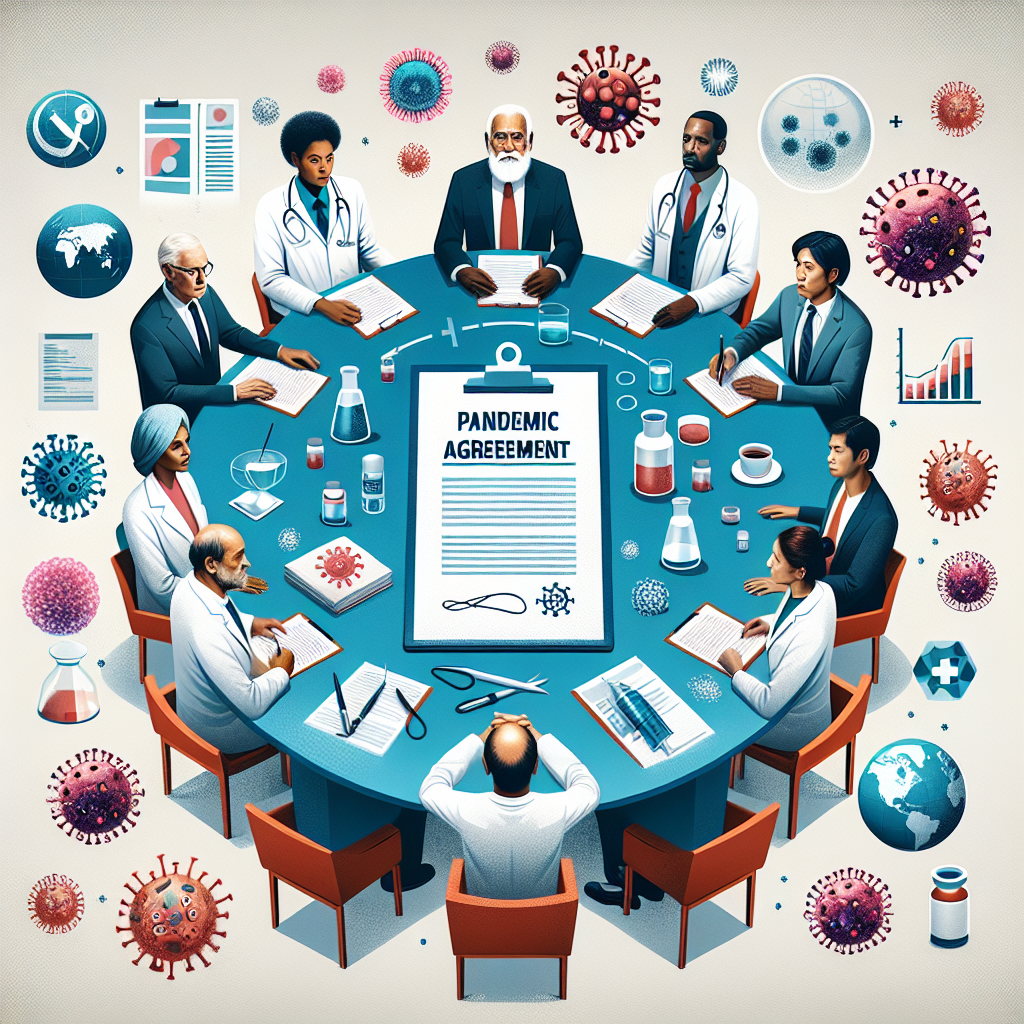
Member States of the World Health Organization (WHO) have taken another step toward strengthening global pandemic preparedness, concluding their second intergovernmental meeting (15–19 September) to advance work on the Pathogen Access and Benefit-Sharing (PABS) system. The mechanism, seen as a cornerstone of the WHO Pandemic Agreement, will ensure that the world is better equipped to respond swiftly and equitably to future global health emergencies.
What the PABS System Will Do
The PABS system is designed to establish a safe, transparent, and accountable framework for the global sharing of:
-
Pathogen materials and genetic sequence data;
-
Vaccines, therapeutics, diagnostics, and other resulting medical countermeasures.
The system aims to guarantee that when dangerous pathogens emerge, the international community can rapidly access the information and biological samples needed to develop life-saving interventions. In return, countries that share pathogen materials will also benefit from equitable distribution of treatments, vaccines, and diagnostics.
This approach is rooted in fairness and reciprocity, ensuring no country is left behind in accessing the tools required to contain pandemics.
Mandate of the Intergovernmental Working Group
The World Health Assembly (WHA), during its historic adoption of the WHO Pandemic Agreement in May 2025, created the open-ended Intergovernmental Working Group (IGWG) to draft and negotiate the PABS annex.
The WHA instructed that the final outcome of the IGWG's work be presented to the Seventy-ninth World Health Assembly in 2026, where Member States will consider its adoption.
Progress in Negotiations
According to Ambassador Tovar da Silva Nunes of Brazil, co-chairperson of the IGWG Bureau, Member States demonstrated strong commitment and unity during the September discussions.
"Countries have taken the next step in building the platform needed for making the world better prepared and safer in the event of future pandemics," he said. "There is a strong common understanding on critical issues needed to develop a mechanism for Pathogen Access and Benefit Sharing. Negotiators from around the world have made strong progress in shaping this central pillar of the WHO Pandemic Agreement."
Ambassador da Silva Nunes confirmed that the first draft PABS annex is expected to be prepared and negotiated between November and December 2025.
Momentum from Health Regulation Reforms
WHO Director-General Dr Tedros Adhanom Ghebreyesus applauded the progress and linked it to broader reforms. He highlighted that on 19 September 2025, amendments to the International Health Regulations (IHR) officially entered into force—marking another landmark achievement in strengthening global health security.
"The amendments to the International Health Regulations and the adoption of the Pandemic Agreement by the World Health Assembly this year were truly generational accomplishments," Dr Tedros said. "Countries now have the opportunity and responsibility to bring the Pandemic Agreement to fruition by finalizing the Pathogen Access and Benefit-Sharing system, as mandated by the World Health Assembly."
Preparing for Future Governance
Beyond the PABS annex, the IGWG has also been tasked with preparatory work for the Conference of the Parties (COP) to the WHO Pandemic Agreement. The COP will oversee implementation, ensure compliance, and guide future improvements in the agreement.
Why It Matters
The COVID-19 pandemic exposed stark inequalities in access to vaccines, treatments, and diagnostics. Wealthy countries secured the bulk of early supplies, while low- and middle-income countries faced months-long delays. The PABS system seeks to correct this imbalance by establishing predictable, legally binding mechanisms for equitable sharing of both pathogen data and medical benefits.
If implemented effectively, experts say the PABS annex could transform how the world responds to outbreaks—ensuring not only faster containment of new threats but also greater global solidarity.
Looking Ahead
With the first draft expected later this year and final negotiations set for 2026, the PABS system represents one of the most ambitious collective efforts in global health governance since the founding of the WHO. Its success will depend on Member States' willingness to balance sovereignty, equity, and international cooperation in the face of future pandemics.
ALSO READ
-
WHO and KEI Explore Community Rights in Traditional Medicine Research and Innovation
-
Cholera Deaths Rise 30% as WHO Reports Highest Annual Toll in More Than Two Decades
-
World Leaders Push for Fairer Pandemic Protection as COVID’s Heavy Toll Drives Action
-
WHO Sets 2027 Southern Hemisphere Flu Vaccine Formula as Viruses Shape Risks
-
WHO Expands Quality Checks for Contraceptives and AI Tools That Help Spot Tuberculosis


 Google News