

WHO Urges Global Action to Make Cities Healthier, Fairer, and More Sustainable
More than 4.4 billion people — over half of humanity — now live in cities, and that number is projected to rise to nearly 70 percent by 2050.
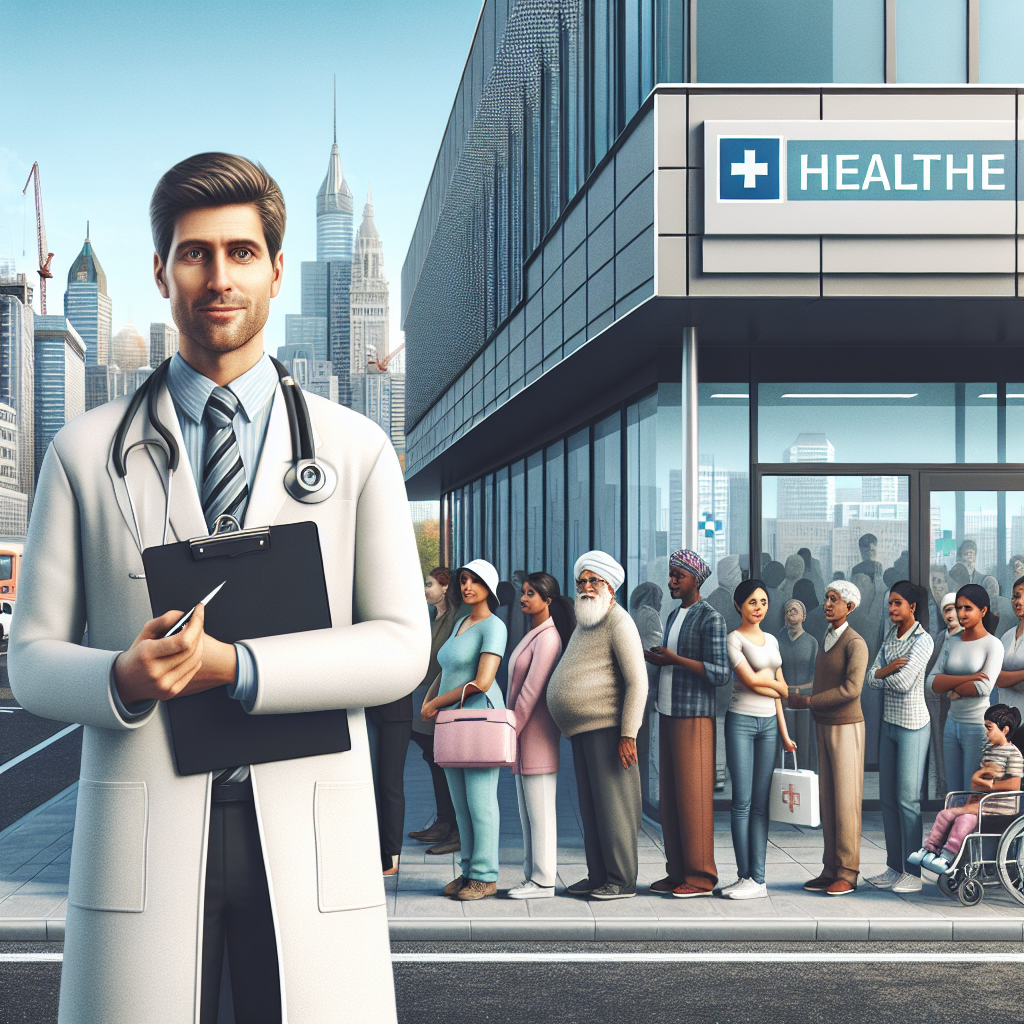
On World Cities Day 2025, the World Health Organization (WHO) has issued a strong call to action for governments and city leaders to transform urban areas into "engines of health, equity, and sustainability." With urban populations rapidly expanding and inequalities widening, WHO is urging a new era of urban health governance — one that places people, not just infrastructure, at the heart of urban planning.
More than 4.4 billion people — over half of humanity — now live in cities, and that number is projected to rise to nearly 70 percent by 2050. As cities continue to grow, they have become the crossroads of health, economy, and environment — where progress and peril intersect. While urbanization offers opportunities for innovation, education, and improved livelihoods, it also magnifies inequality and exposes billions to severe health risks.
Urban Inequality and Health Risks Rising Worldwide
Urban health challenges are starkly visible in the world's slums and informal settlements, where 1.1 billion people currently live without adequate housing, sanitation, or access to essential services. That number is expected to triple by 2050 unless urgent action is taken.
Residents of these communities face overlapping health threats — from air and water pollution to food insecurity, extreme heat, floods, and disease outbreaks. The COVID-19 pandemic highlighted the vulnerability of densely populated areas, while new data shows widening disparities in life expectancy between cities and even within them.
A recent WHO study of 363 cities across nine Latin American countries found life expectancy gaps of up to 14 years for men and 8 years for women between the healthiest and least healthy urban areas. These disparities are driven by differences in income, pollution exposure, safety, and access to healthcare and green spaces.
Globally, air pollution kills around 7 million people every year, and nearly every city dweller breathes air that fails to meet WHO's quality standards. Combined with unsafe transport, inadequate housing, and limited access to green spaces, the urban environment has become a dominant determinant of human health — and a key factor in global climate and equity challenges.
A New WHO Framework for Healthier Cities
To help governments and communities navigate these challenges, WHO has launched a landmark guide titled "Taking a Strategic Approach to Urban Health." The publication provides a comprehensive framework for national and city leaders to integrate health into urban policy, planning, and governance.
"This is a moment for decision-makers at every level to act together," said Dr. Jeremy Farrar, WHO's Assistant Director-General for Health Promotion, Disease Prevention and Care. "The guide gives national and municipal leaders, planners, partners, and communities a framework to build fairer, healthier, and more resilient futures."
The guide lays out practical steps for creating strategic urban health plans that connect health goals to other policy areas — including transport, housing, environment, and digital access. It emphasizes that achieving urban health is not the responsibility of one ministry or department, but a shared commitment across multiple sectors.
Four Key Strategic Areas of Action
According to WHO, governments can take the following actions to build healthier and more equitable cities:
-
Understand urban systems — Identify how social, environmental, and economic systems interact to shape health outcomes.
-
Find entry points for action — Integrate health into diverse policy areas such as mobility, housing, and climate adaptation.
-
Strengthen means of implementation — Ensure robust governance, financing, data, and partnerships to support health-focused urban policies.
-
Develop national and local strategies — Create coordinated frameworks for both national ministries and municipal authorities to address urban health comprehensively.
Cities as the Frontline of Global Health and Climate Action
Urban environments are now the frontline for global challenges — from pandemics and pollution to climate-related disasters. WHO argues that cities also represent the greatest opportunity for change, as they concentrate innovation, investment, and community action.
"Cities are key to advancing public health," said Dr. Etienne Krug, WHO Director for Health Determinants, Prevention and Promotion. "This Guide offers governments a roadmap to act strategically, linking urban health with climate change, transport, digital transformation, and migration."
Examples of local innovation are already emerging worldwide. In Nairobi's Dandora neighborhood, communities are working directly with planners to design cleaner, safer public spaces. Similar initiatives are underway in Suva (Fiji), Makassar (Indonesia), and Coimbra (Portugal) — where city governments are aligning infrastructure, mobility, and health goals.
The Path Toward Equitable and Resilient Cities
WHO's approach recognizes that creating healthy cities requires far more than improving hospitals or healthcare services. It involves ensuring clean air, safe housing, active mobility, reliable water, and digital access — along with inclusive governance and financing mechanisms that protect marginalized communities.
By taking a strategic and integrated approach, WHO argues that cities can simultaneously advance economic development, environmental sustainability, and public health. Urban areas that prioritize livability, green infrastructure, and equity tend to attract investment and talent, reinforcing a cycle of prosperity and well-being.
Building Capacity Through Education and Collaboration
Alongside the guide, WHO has launched the first modules of a new Urban Health E-learning course hosted by the WHO Academy. The course aims to strengthen the capacity of municipal leaders, urban planners, and public health professionals to collaborate effectively across disciplines and sectors.
The training focuses on practical skills for building partnerships, analyzing data, and designing integrated policies that bridge health, climate, and social goals.
A Call to Action for the Next Generation of Urban Policy
On World Cities Day, WHO's message is clear: cities are not just the stage for humanity's future — they are its most powerful lever for progress.
By aligning urban development with health and equity objectives, nations can create communities that are not only more livable but also more resilient to future shocks. The Taking a Strategic Approach to Urban Health guide marks a pivotal step toward realizing this vision, equipping leaders with the tools to transform cities into drivers of health, justice, and sustainability for generations to come.


 Google News