

WHO, IARC Launch Global Training Program to Accelerate Cervical Cancer Control
Developed jointly by WHO and IARC, the new learning programme features five structured modules, each tailored to different levels of expertise within the health system.
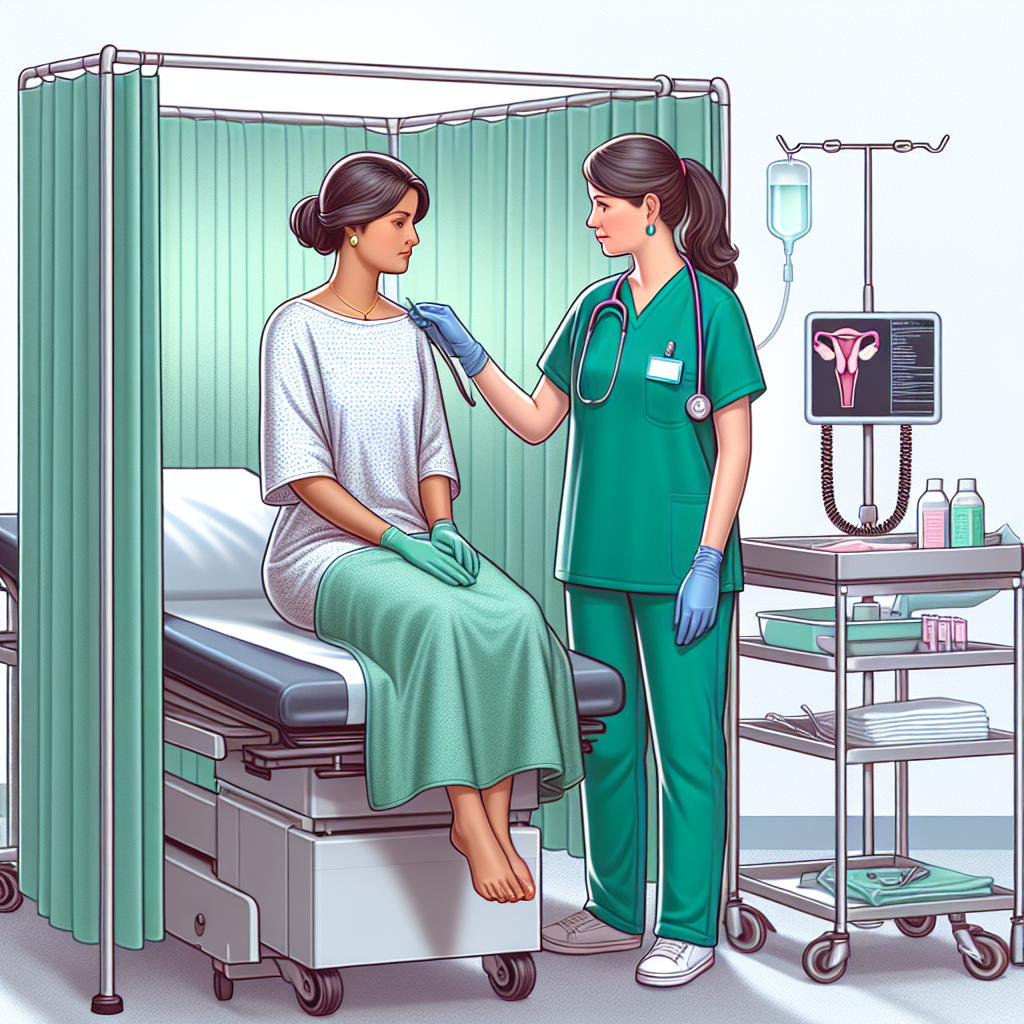
The World Health Organization (WHO) and the International Agency for Research on Cancer (IARC) have unveiled a new, free, and comprehensive learning programme designed to strengthen global capacity for cervical cancer prevention, screening, and early treatment. Launched on World Cervical Cancer Elimination Day, the programme is hosted on the WHO Academy online learning platform and is available to healthcare providers, policy-makers, programme managers, and public health advocates worldwide.
The initiative supports the implementation of the WHO Cervical Cancer Elimination Initiative, which aims to dramatically reduce cervical cancer incidence and mortality by building a well-trained workforce capable of delivering high-quality screening and care.
A Growing Global Health Challenge
Cervical cancer remains one of the most preventable yet deadly cancers affecting women. According to IARC estimates, more than 660,000 women were diagnosed and nearly 350,000 women died from cervical cancer in 2022 alone. The burden falls disproportionately on low- and middle-income countries, where limited access to screening, vaccination, and treatment contributes to higher rates of late-stage diagnosis and mortality.
The WHO's global elimination strategy calls for countries to meet the 90–70–90 goals by 2030:
-
90% of girls fully vaccinated against HPV by age 15
-
70% of women screened with a high-performance test by ages 35 and 45
-
90% of women diagnosed with cervical cancer receiving appropriate treatment
Achieving these goals requires significant scale-up of screening services and a well-prepared health workforce — a gap the new programme aims to close.
A Comprehensive Learning Programme for Multiple Audiences
Developed jointly by WHO and IARC, the new learning programme features five structured modules, each tailored to different levels of expertise within the health system. It integrates e-learning with practical, on-site guidance to ensure that service providers can seamlessly translate knowledge into practice.
Target audiences include:
-
National and regional health officials
-
Public health experts and programme managers
-
Midwives, nurses, and general practitioners
-
Community health workers
-
Supervisors of screening programmes
-
Medical and nursing students
The modules cover key areas such as HPV testing, interpretation of screening results, management of precancerous lesions, colposcopy procedures, thermal ablation, community engagement, quality assurance, and referral pathways.
Building Global Workforce Capacity for Cervical Cancer Elimination
The WHO Academy platform provides accessible, multilingual learning tools designed for use even in low-resource settings. The combination of online coursework and hands-on training aims to improve diagnostic accuracy, ensure consistent treatment protocols, and expand the pool of qualified providers worldwide.
This approach is vital because front-line health workers—midwives, nurses, and primary care providers—carry the primary responsibility for screening women and managing positive results. Scaling up their skills directly accelerates progress toward the elimination targets.
Building on Proven IARC Resources
IARC brings decades of expertise to the initiative. The Agency has previously developed globally recognised training tools such as:
-
The Atlas of Colposcopy
-
The Atlas of Visual Inspection of the Cervix
These free resources attract nearly 100,000 visitors each month and have been instrumental in training hundreds of master trainers across Asia, Africa, and Latin America. Through these efforts, IARC has strengthened national screening programmes by equipping providers with skills to:
-
Perform HPV and visual inspection tests
-
Interpret screening results accurately
-
Conduct colposcopy procedures
-
Treat cervical precancer using thermal ablation, cryotherapy, or LEEP techniques
The new learning programme consolidates and expands these resources, offering a unified, up-to-date curriculum aligned with WHO global guidance.
A Major Step Toward Global Cervical Cancer Elimination
The launch signals a renewed push to close the global screening gap, particularly in countries where health systems are constrained by limited staffing, training opportunities, and diagnostic capacity.
With cervical cancer elimination now recognized as an achievable public health goal, WHO and IARC emphasize that knowledge transfer and capacity-building are among the most impactful interventions available. By equipping healthcare providers with standardized, evidence-based training, countries can accelerate progress toward equitable care and reduce preventable deaths.
The programme's open-access format ensures that even the most resource-limited settings can benefit — a crucial factor as global health agencies work to reduce gender inequities in cancer prevention and treatment.
ALSO READ
-
World Leaders Push for Fairer Pandemic Protection as COVID’s Heavy Toll Drives Action
-
WHO Sets 2027 Southern Hemisphere Flu Vaccine Formula as Viruses Shape Risks
-
WHO Expands Quality Checks for Contraceptives and AI Tools That Help Spot Tuberculosis
-
WHO Brings Global Experts Together to Strengthen Herbal Medicine Quality and Safety
-
El Niño Health Alarm: Rising Heat, Floods and Hunger Put Communities on High Alert


 Google News