

U.S. Revises Childhood Vaccination Guidelines Amid Controversy
The United States has altered its longstanding guidance on childhood vaccinations, removing several recommendations. This decision, driven by vaccine skeptic policies, aims to align with certain other countries. Public health experts express concerns over potential health risks, emphasizing a need for evidence-based decisions.
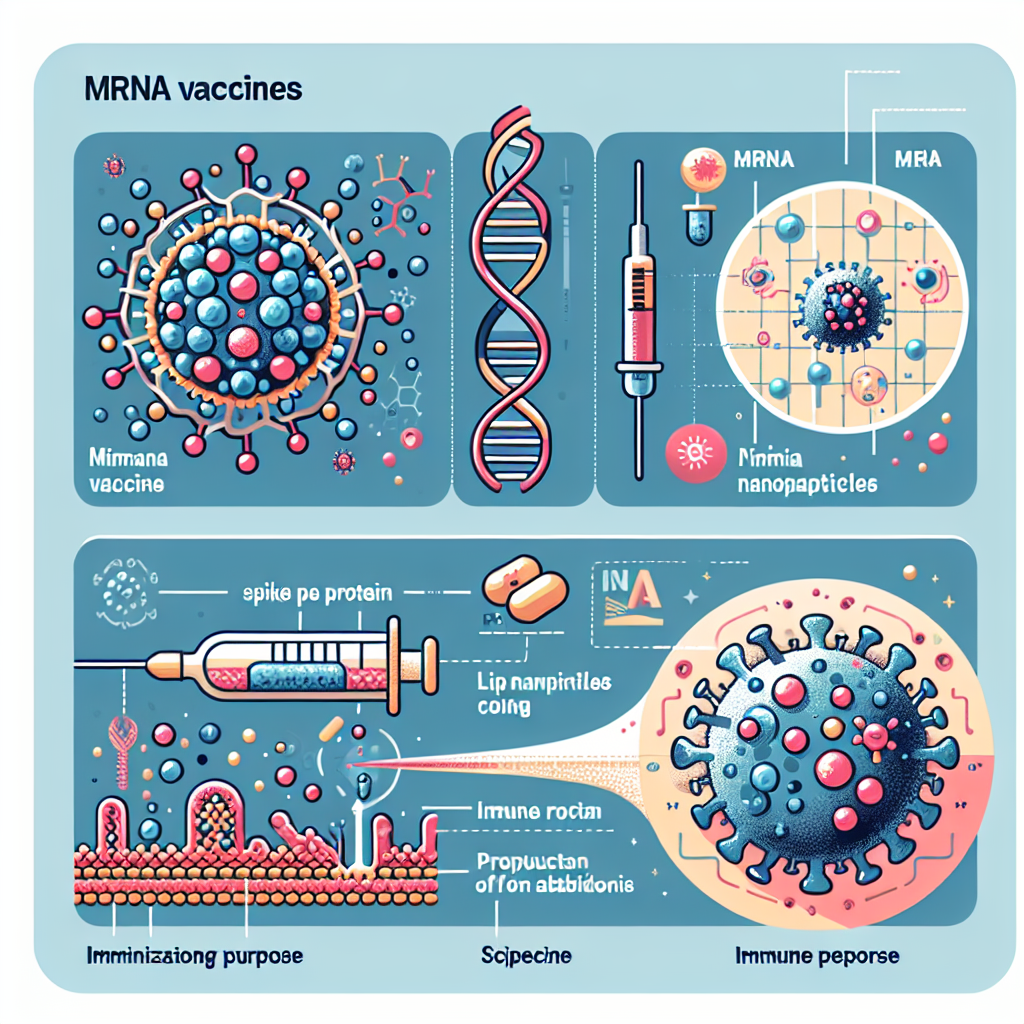
In a significant change to public health policy, the United States has adjusted its longstanding childhood vaccination guidelines, omitting recommendations for several vaccines, including those for flu and hepatitis A. This move supports Health Secretary Robert F. Kennedy Jr.'s aims to scale back vaccination rates, prompting worry among health experts.
The decision, made by the CDC's Acting Director Jim O’Neill without the standard external expert review, follows President Donald Trump’s call to align U.S. vaccination practices with other developed nations. Despite similarities, experts argue these countries' health risks and systems differ sharply from the U.S., raising concerns about potential preventable hospitalizations and deaths.
Critics like Dr. Michael Osterholm and Dr. Sean O’Leary stress that any changes to vaccine schedules should be evidence-based and consider the unique American healthcare landscape. The controversial policy still maintains immunizations for 11 diseases but encourages a single-dose HPV vaccine, aligning with WHO guidance yet not fully approved by the FDA for this regiment.


 Google News