

Regional cooperation is the key to boost health sector in Sub-Saharan Africa
As public funding is a major constraint, a sustainable PPP model for hospitals is imminent to attract FDI
 Pawan Kumar
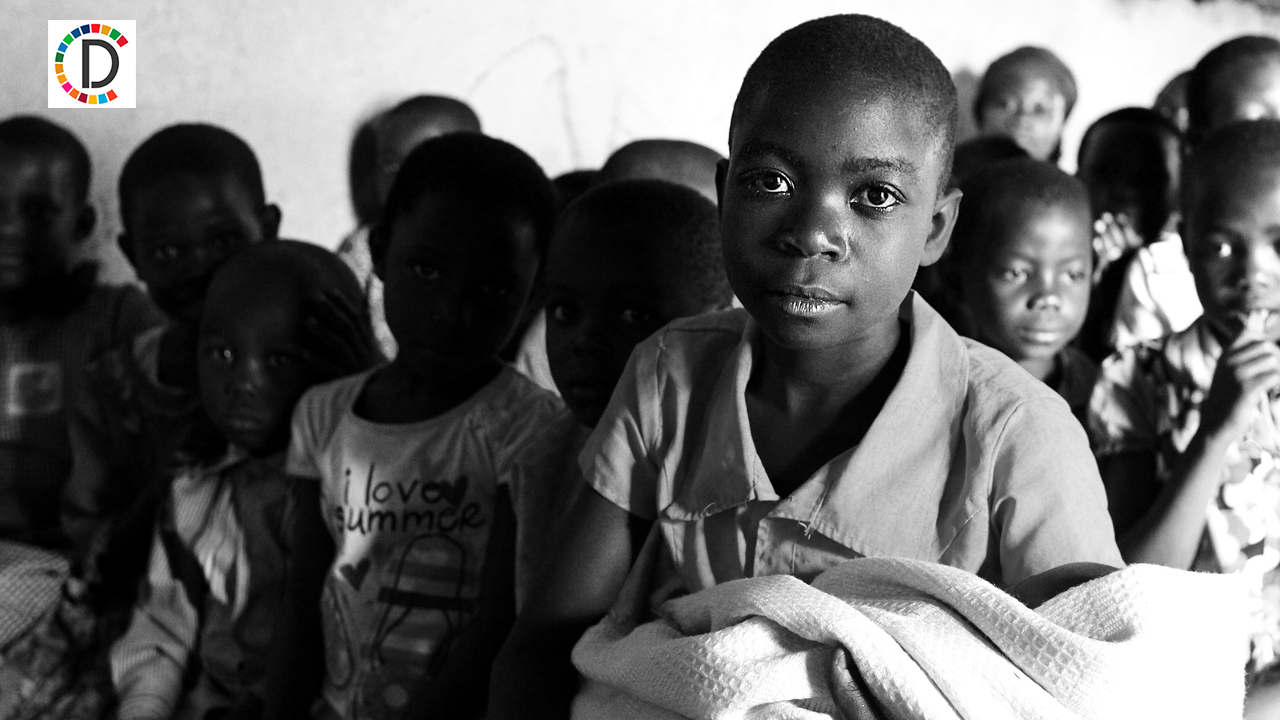
Lack of timely access to adequate health facilities is the major reason for the high rate of mortality in Sub-Saharan countries of Africa. The low and middle-income nations of the region are maximum sufferers to this developmental disparity.
In a recent study by Lancet Global Health in 2015, nearly half of deaths and one-third disabilities in low and middle-income countries of this region could have been avoided if patients had access to better health facilities, particularly those are available in multi-speciality hospitals of developing or developed countries. However, neither low and middle-income countries have resources of their own nor they are considered as a lucrative market by investors due to their small size. This leads to a high rate of mortality among the poor class of patients while forces the resourceful patients to opt for health tourism in rich countries of Africa, Asia, Europe and America.
Sub Saharan Africa (SSA) region is in the south of Saharan Desert of Africa. The public health facilities in this region are not sufficient to contain a high rate of mortality and morbidity. Not only the rate of mortality and morality is high in SSA region, but also there is a lack of access to basic health facilities. Poor connectivity and severe conditions of the roads are the main hurdles to reach the nearest hospital for getting health care facilities in Sub Saharan Africa. According to an estimate the population of SSA region is around 11% of the world's population but have over 24% of the disease burden. The SSA is confronted with the heavy burden of communicable and non-communicable diseases.
According to the WHO report in 2015, in Nigeria, there are about 5 hospital beds per 10000 populations, 20.1 physicians, nurses and midwives per 10000 populations and only 4 physicians per 10000 populations. Furthermore, the region lacks an adequate number of medical staff including trained nurses, physicians, and other doctors, engineers, community health workers, laboratory professionals, basic infrastructure and high-quality medical device such as basic equipments like cannula, BP apparatus, glucometer, thermometer, etc. to sophisticated ones like EKG machine, patient monitor, oxygen concentrator, etc.. The Lancet Global Health 2015, also reveals that less than 29% of the total population, and 28% of the women of childbearing age, are living approximately more than 2 hours away from the nearest hospitals. Furthermore, over 75% of the population in South Sudan and more than 50% of the population in countries including the Central African Republic, Chad and Eritrea are living outside the two-hour threshold.
In search of better healthcare facilities, the resourceful patients of SSA region go out of the country for health care facilities particularly for the treatment of chronic ailments, severe infection or accident related health hazards. Developing well equipped multi-speciality hospital(s) at strategic locations will give benefits to maximum neighbouring countries. Therefore, developing multi-healthcare facilities has been a thrust area for these nations but non-availability of investment is the main constraint.
There has been a little FDI flow in the health sector in this reason for lack of a popular Public Private Partnership (PPP) model for the hospital sector that could address the requirement of third world countries. However, the effort to review the existing PPP models for and design a new model suitable for third world countries has taken up a new paradigm in recent years. For any model to be successful in this region, a multi-pronged approach in regional cooperation is required that could facilitate free movement of patients across the nations, the big market opportunity for investors and appropriate benefits for the host country. After a thorough analysis of the existing PPP models for hospitals, S. Shukla in a research paper titled 'EWS Beds in Delhi' published in Economic and Political Weekly on May 5, 2018, has recommended a new model. This model seems quite feasible for the countries where land is cheaper but capital is a major constraint for multi-speciality hospitals. If the Sub Saharan countries could remove administrative hurdles and ensure easy international access to the patients for health services, they would be able to create a huge market for health sector companies. This regional cooperation is most likely to attract huge investment in form of FDI to the host country in particular and increased well-equipped health facilities in the region. The model also suggests an agreement between the host country and investor to provide a certain percentage of beds for free to the host country. If implemented and proper monitoring is ensured, the host countries would get virtual hospitals for completely free treatment of economically weaker sections of society or government staff of their respective nations. The model seems very suitable for the Sub Saharan African countries where capital and market is a huge constraint for FDI in the health sector.
Policy interventions like immediate visa arrangements or visa on arrival for medical tourism would be imminent to enhance the purpose of the centralized multi-speciality hospitals. The nations would have to enter into travel policy or visa policy agreements, i.e. a separate immigration counter availability for SSA population. These national governments should take initiative and come forward with a collaborative approach - Multinational Centralized Multi-speciality hospitals could be operated on PPP model and contribution of funds. This model would facilitate proper utilisation of intellectual property in a healthy environment of multinationalism.
- FIRST PUBLISHED IN:
- Devdiscourse News Desk


 Google News