

Heroic nurses need full protection against coronavirus - association
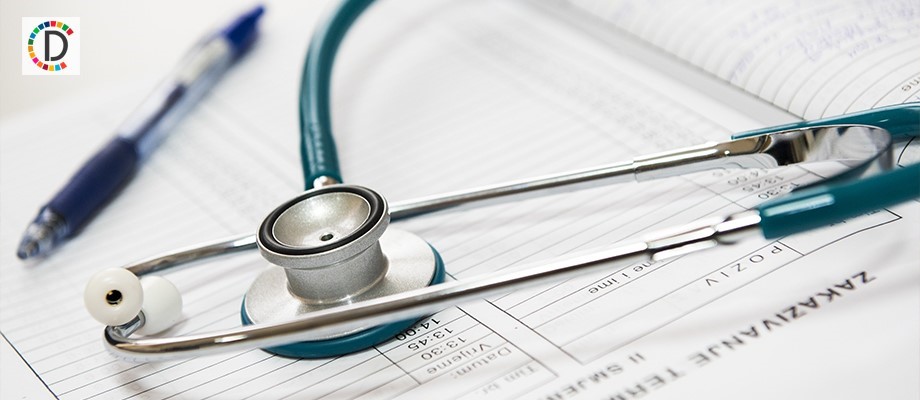
More equipment is needed to protect the world's nurses working on the frontlines of the coronavirus pandemic to save lives, the head of the International Council of Nurses said.
"They are heroic, I think there is no other way to describe what they are doing at this moment," said Howard Catton, a British nurse who is the ICN's chief executive officer. Infection rates of 9% and 12-14% have been reported among health workers in Italy and Spain, respectively, and deaths among nurses there and in Iran and Indonesia, he said.
"We have no doubt that the rate of infections is related in part to the lack of PPE - personal protective equipment," he told Reuters at the ICN offices along Lake Geneva. "There is a global shortage and nurses obviously are at a higher risk given the people that they are caring for."
The federation represents 130 national associations and more than 20 million registered nurses. The World Health Organization has called repeatedly for countries and manufacturers to step up production of masks, gloves, gowns and other equipment for vulnerable health workers amidst critical shortages.
Nearly 700,000 people have been infected worldwide in the outbreak that began last December in China and has claimed more than 33,000 lives, according to the WHO. Catton said there had been problems with supply chains in hard-hit Italy and Spain, describing their health systems as "very close to being overwhelmed".
Nurses worldwide take samples from COVID-19 patients, give them medicines and oxygen, and help incubate those in serious condition. "They are working under intense pressure, often long hours, some working back-to-back shifts for days on end, even sleeping over in the hospital, the facility, in which they work."
Some nurses have been forced to re-use their gear or make their own masks and gowns, he added. "Wearing personal protective equipment when it is available is not easy either...Simple things like going to the loo and eating are of course much more difficult," he said.
Nurses across Africa and South Asia could be at greater risk as the virus moves to poorer settings. "We are very concerned that those countries that have weaker, more fragile health care systems could very quickly become overwhelmed by this virus if it takes hold in their countries," Catton said.
Nurses in Zimbabwe, fearing for their own safety, have been on strike due to a lack of information and protective gear, he said. (additional reporting by Cecile Mantovani in Geneva; editing by Angus MacSwan)
ALSO READ
-
EIB and Intesa Sanpaolo Sign €300 Million Deal to Expand Affordable Housing in Italy
-
Italy and UN Partners Set Out Rome’s Growing Role as Global Development Finance Hub
-
Italy Mobilizes Navy to Secure Vital Shipping Lanes in Bab el-Mandeb
-
Italy Steps in as Final Stop for 2026 World Rally Championship
-
Italian Premier Meloni's Historic Norway Visit: Strengthening Energy and Defense Ties


 Google News