

Diplomatic Tensions Escalate: Canada and India at Odds Over Nijjar Killing Allegations
Canadian PM Justin Trudeau admitted his government only provided intelligence, not hard evidence, to India concerning the killing of Khalistani terrorist Hardeep Singh Nijjar. As diplomatic tensions rise, Canada expelled six Indian diplomats, while India denied allegations and criticized Trudeau's government's stance on extremism.
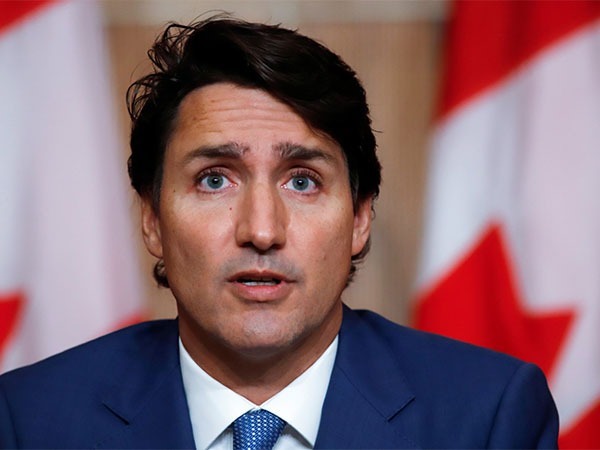
In a revelation that further strains diplomatic ties between Canada and India, Canadian Prime Minister Justin Trudeau admitted his administration failed to present substantial evidence linking India to the assassination of Khalistani terrorist Hardeep Singh Nijjar. Appearing before Canada's foreign interference inquiry, Trudeau disclosed that India categorically demanded concrete evidence amid Canada's allegations.
Trudeau elaborated on the diplomatic nuances, citing that despite efforts to engage India cooperatively, the demand from Indian officials was unequivocal: show the proof. In response, Canada pointed to intelligence held within Indian security institutions, urging a collaborative approach. However, the absence of hard evidentiary proof has become a sticking point in communication.
The ongoing diplomatic discord comes after Trudeau's claims last year of India's involvement in Nijjar's murder, which India dismissed as unfounded and politically motivated. Moreover, Trudeau accused India of passing sensitive information about Canadian Modi government critics to criminal groups, inciting violence on Canadian soil. In retaliation to unyielding diplomatic stances and expulsions, India expressed its intolerance of what it categorized as the 'baseless targeting' of its diplomats, emphasizing its withdrawal of key envoys from Canadian territory.
ALSO READ
-
Japanese Lawmakers Visit India to See Worker Protection and Skills Projects in Action
-
Indian Unions Push for Fair Recruitment and Rights for Care Workers in Germany
-
Cleaner Kitchens, Polluted Skies: Hidden Health Cost of India’s Electricity Boom
-
Japan-Backed ILO Projects Help 23,000 Workers Gain Rights and Fight Child Labour
-
Potential EU Partnerships Stir International Debate


 Google News