

Call for Increased Awareness and Support for Rights of Persons with Albinism
Advocate Mikateko Maluleke, Director-General of the department, highlighted ongoing challenges faced by individuals with albinism, particularly in accessing adequate learning opportunities, economic participation, and employment.
- Country:
- South Africa
The Department of Women, Youth, and Persons with Disabilities has joined the global community in calling for more efforts to raise awareness of the rights of persons with albinism.
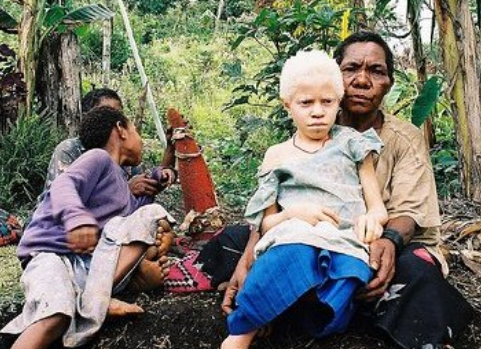
Albinism is a genetic condition that affects around one in 4,000 people in South Africa. This rare condition results in a lack of melanin pigment, leading to lifelong physical impairment and disability for those affected.
Advocate Mikateko Maluleke, Director-General of the department, highlighted ongoing challenges faced by individuals with albinism, particularly in accessing adequate learning opportunities, economic participation, and employment.
"The National Albinism Task Force in South Africa and Amnesty International have urged the South African government to take immediate steps to respect, promote, and fulfil all the rights of persons with albinism, ensuring that violators are held accountable," Maluleke stated.
In light of these challenges, Maluleke called on the youth of South Africa to support programs and initiatives from civil society, government, and the private sector aimed at educating and creating awareness about albinism.
She emphasized that the South African Constitution guarantees the right to life for everyone, underscoring that people with disabilities, especially youth, are at heightened risk and need specific protective measures.
"The Department of Women, Youth, and Persons with Disabilities, through its Disabilities Rights Awareness Campaign, continues to encourage civil society organizations and the private sector to invest in public educational programs. These programs are essential for dispelling misconceptions and discriminatory practices surrounding albinism," Maluleke concluded.
The department's advocacy aligns with broader efforts to promote inclusivity and ensure equal rights and opportunities for all individuals, regardless of their physical conditions.


 Google News