

The Persistent Underestimation: Polling Challenges in the Trump Era
Pollsters face challenges in accurately predicting the support for Donald Trump among voters. Despite being within margins of error, polls show a consistent underestimation of Trump's strength, sparking discussion on methodologies and non-response issues. Experts explore the potential impact of distrust towards political institutions.
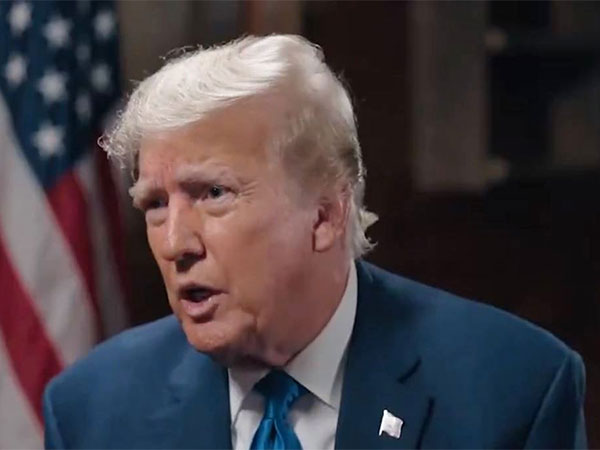
Following Donald Trump's decisive win in the recent election, pollsters are again grappling with why their pre-election surveys underestimated his voter support. Several polls had forecast Trump trailing Kamala Harris, but he emerged ahead with a 2% lead, defying expectations.
According to past polling averages, Trump's performance was underestimated consistently over the previous election cycles. Pollsters suspect a failure in reaching Trump supporters effectively, which fuels ongoing debates about polling accuracy and the tools deployed to predict election outcomes accurately.
Experts warn that frequent underestimations may erode trust in polling processes and political systems at large. Efforts to adapt polling methodologies amidst evolving communication habits continue, as researchers strive to address underlying obstacles to more accurately capturing public sentiment.
ALSO READ
-
Prospects of a New Summit: South Korean Optimism Amid Uncertainty
-
Nomination Turbulence: White House Withdraws Jeffrey Anderson for ICAO Post
-
Potential EU Partnerships Stir International Debate
-
Trump's Rate War with the Fed: A High-Stakes Economic Drama
-
Trump's Bold Move: Meeting with Venezuela's Interim Leader


 Google News