

Trump's Tariff Tango: Navigating Reciprocal Trade Challenges
The U.S. plans reciprocal tariffs on imports from countries imposing duties on U.S. goods, sparking global trade war fears. With complex international duty schedules, this poses regulatory challenges, risking industry supply chain disruptions and economic repercussions for consistent goods suppliers and consumers globally.
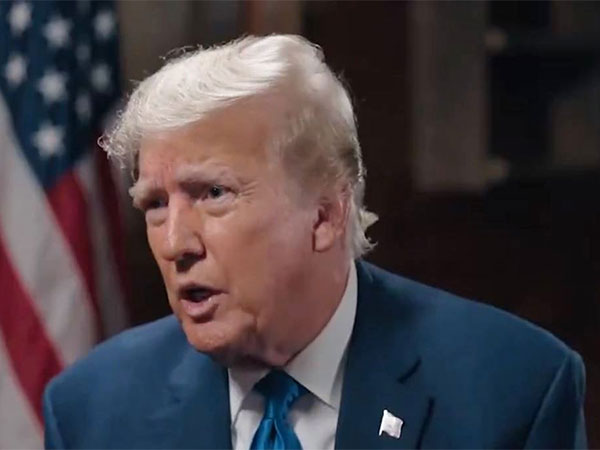
Donald Trump is escalating tensions over international trade by preparing to impose reciprocal tariffs on countries that charge duties on U.S. imports, igniting fears of a deepening global trade war. On Monday, Trump announced sweeping tariffs on all steel and aluminum imports starting March 12, leading to criticism from nations such as Mexico, Canada, and the European Union, while allies Japan and Australia are negotiating for exemptions.
Industries dependent on steel and aluminum are bracing for increased costs, with some U.S. workers supporting the tariffs. However, manufacturing heavyweights are concerned about disruptions across supply chains. Trump's administration is tight-lipped about forthcoming tariff structure and timing, suggesting an announcement could be imminent. His proposed reciprocal tariffs pose logistical challenges, with William Reinsch from CSIS noting the complexity in matching U.S. tariffs to the diverse rates of international trade partners.
Compliance would require leveraging outdated tariff legislation or invoking emergency economic powers, risking unintended consequences like disadvantageous U.S. consumers through protectionist measures on goods like coffee. Experts warn that while tariffs are intended to protect domestic industries, they may inadvertently grant foreign governments influence over U.S. economic policies.
ALSO READ
-
EU Firms Rethink Supply Chains as Geopolitical Risks Reshape Global Trade
-
Lee Jae Myung's Diplomatic Milestones: Balancing Amidst Global Tensions
-
Diplomatic Moves: Takaichi's UN Meeting with Trump
-
Trade War Chessboard: Agriculture, Energy, and Rare Earths in Focus
-
High-Stakes Diplomatic Dance: Trump and Xi's Crucial Summit


 Google News