

Social Development and BMA Partner to Strengthen Social Services at Border Posts
A high-level strategic meeting was recently held to focus on implementing a comprehensive strategy for employing social workers and other social service professionals in border operations.
- Country:
- South Africa
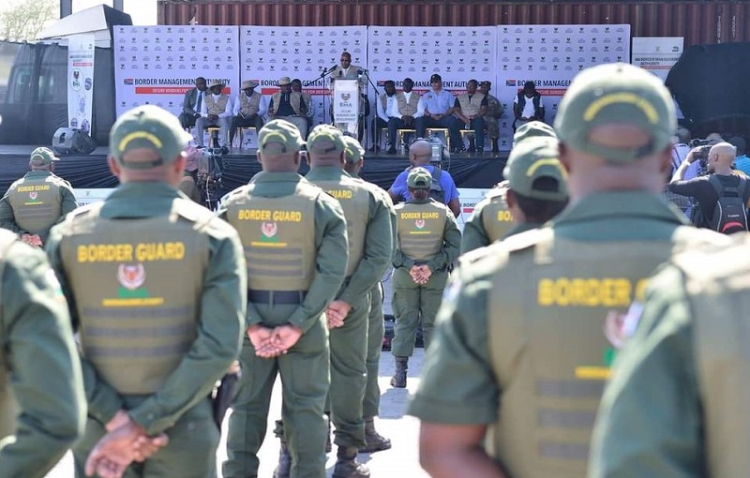
The Department of Social Development and the Border Management Authority (BMA) have committed to collaborating in strengthening social service delivery at South Africa's border posts. This partnership aims to address critical gaps in assisting vulnerable individuals such as undocumented migrants, victims of human trafficking, and children in need of protection.
Strengthening Collaboration for Social Service Delivery
A high-level strategic meeting was recently held to focus on implementing a comprehensive strategy for employing social workers and other social service professionals in border operations. This initiative aligns with the broader government goal of employing 55,000 social service professionals by 2030, as outlined in the National Development Plan.
Chaired by Acting Deputy Director-General for Corporate Support Services, Lumka Oliphant, the meeting explored synergies between social workers and border management officials. Oliphant emphasized the indispensable role of social workers in addressing social vulnerabilities at border crossings, ensuring that at-risk individuals receive psychosocial support and intervention.
Amanda Vokwana, Director of Organisational Development and HR Planning at the Department of Social Development, outlined the strategy for hiring social workers. She described it as a commitment to addressing employment challenges while ensuring professionals' skills are effectively utilized across both public and private sectors.
"This strategy is not just a vision; it represents a collective commitment to building a responsive social service sector that meets the needs of our communities," Vokwana stated. She also highlighted the pressing social issues that make this initiative critical, including poverty, gender-based violence, substance abuse, human trafficking, and child-headed households.
Addressing Vulnerable Populations at Border Posts
A key focus of the meeting was a proposal to integrate social workers into BMA operations. Oliphant stressed that, much like other enforcement agencies such as the South African National Defence Force, South African Police Service, and the Department of Correctional Services, the BMA also requires dedicated social workers to handle complex social challenges at border posts.
"Border posts are high-risk environments where social vulnerabilities intersect with security concerns. Social workers play a crucial role in ensuring that individuals, especially children and victims of trafficking, receive necessary psychosocial support and interventions in line with legislative frameworks," Oliphant explained.
Beyond supporting vulnerable individuals, social workers would also assist border officials who face emotionally taxing and high-pressure situations. The presence of trained professionals would help mitigate stress and trauma among BMA personnel, enhancing both their well-being and operational effectiveness.
Financial and Infrastructure Challenges
Deputy Assistant Commissioner of the BMA, Peter Mphilo, acknowledged the financial constraints that have hindered the establishment of a dedicated social services unit within the agency. While the initial intent was to build internal capacity, he emphasized the necessity of working closely with the Department of Social Development and provincial authorities to bridge existing service gaps.
"We appreciate the cooperation from provinces, but demand for social services at border posts far exceeds supply. This collaboration is critical in addressing those challenges," Mphilo noted.
He further highlighted the need for infrastructure improvements at border crossings, including better facilities for processing vulnerable individuals, conducting interviews, and ensuring proper handover procedures to social service agencies inland. Mapping out this process, from initial contact to final intervention, would be crucial for determining funding needs.
Exploring Funding and Future Strategies
Mphilo also raised the issue of funding strategies, questioning the role of donor contributions and private sector involvement in sustaining social worker employment. He stressed the importance of clarifying whether external funding would support direct employment or broader operational needs within social services at border posts.
Moving forward, the BMA aims to refine its strategy by aligning funding mechanisms, infrastructure development, and service delivery models. One proposed approach involves a phased implementation, initially hiring one or two social workers per region to provide advisory services and hands-on support.
"We need guidance on specific requirements. A phased approach would be beneficial, allowing us to gradually integrate social workers into border management operations," Mphilo stated. He also underscored the importance of compliance with legislative frameworks such as the Children's Act, particularly given the number of women crossing borders irregularly with children.
The Border Management Authority reaffirmed its commitment to strengthening its partnership with the Department of Social Development, benefiting from its expertise and actively engaging in interdepartmental efforts to enhance social service provision in border management operations.


 Google News