

The Next Papal Conclave: A Shift Away from European Tradition?
Following the death of Pope Francis, speculation grows about his successor, expected to continue his progressive path and global representation. The secretive conclave process will reveal if cardinals agree with Francis' liberal reforms. The current College of Cardinals is more diverse, reflecting Francis' efforts to balance global representation in the Church.
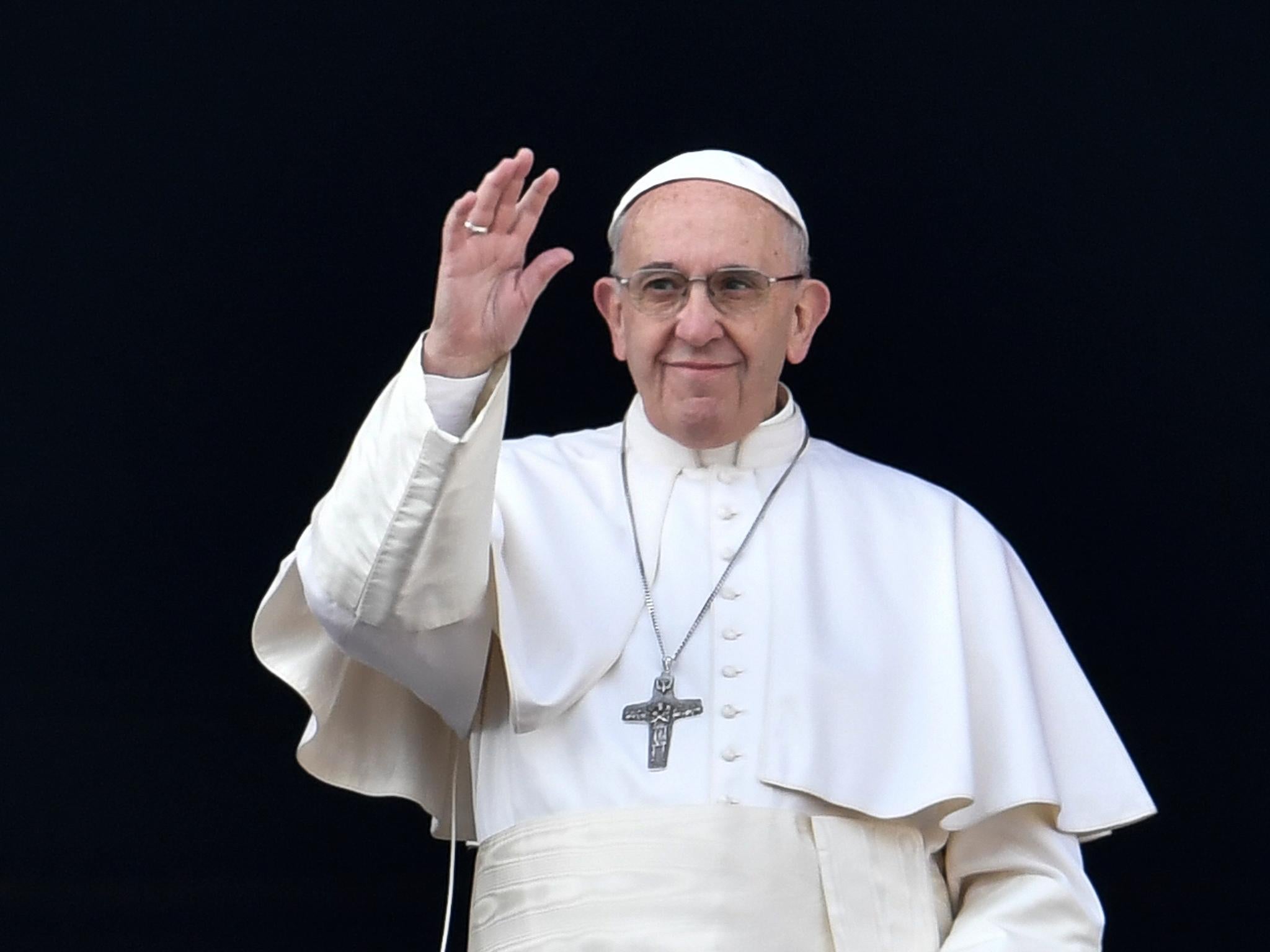
Following the announcement of Pope Francis' death, the Vatican is poised for a historically significant papal election that could mark another departure from European dominance. Speculation abounds regarding who among the cardinals will take on the mantle of leadership. Many expect a successor that embodies the same progressive ideals and global perspective as Francis.
The conclave process remains steeped in secrecy. Cardinals under 80 years of age will enter the enclosed Sistine Chapel to cast their votes, with a new pope announced once white smoke rises from the chimney. The cardinals, largely appointed by Francis, hold the power to either endorse his liberal leanings or pivot towards a more conservative path.
Francis' tenure marked significant appointments from non-European countries, drastically transforming the face of the College of Cardinals. By choosing cardinals from nations like Rwanda, Myanmar, and Tonga, Francis has deliberately shifted the Church's center of gravity, challenging decades of Euro-centric tradition in the papal selection process.


 Google News