

Trade Turbulence: U.S. Tariffs Spark India-U.S. Tensions
The U.S. will impose a 25% tariff on Indian goods citing New Delhi's high tariffs and trade barriers. Trade talks stall over issues like agricultural market access, patent rules, and tariff reciprocity. India remains hopeful of a trade deal despite tensions and rising U.S. import levies.
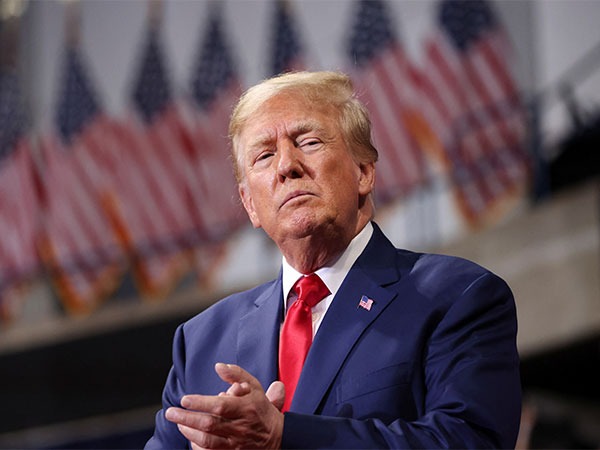
The Trump administration announced plans to impose a 25% tariff on Indian goods as of August 1st, challenging India's trade policies. The decision is in response to India's refusal to open its agricultural sector to U.S. products and the high tariffs imposed on U.S. imports.
India maintains an average tariff of 39% on imported farm goods, a stark contrast to the U.S. rate of 5%. The situation is complicated by non-monetary trade barriers and patent disputes. Despite limited tariff reductions, India waits for clear trade proposals from Washington.
India and the U.S. previously aimed to increase bilateral trade to $500 billion by 2030 but face setbacks in reaching a deal. The challenges include rising U.S. tariffs and concerns over U.S.-Pakistan relations. Indian exports, particularly in sectors like pharmaceuticals and electronics, continue to expand.
ALSO READ
-
EU Firms Rethink Supply Chains as Geopolitical Risks Reshape Global Trade
-
Trade War Chessboard: Agriculture, Energy, and Rare Earths in Focus
-
Trump and Xi Set for High-Stakes Summit: Trade, Taiwan, and Technology in Focus
-
US Tariff Announcement Delay Amidst Xi-Trump Summit
-
India Defends Energy Policy Amidst Rising Tariff Threats from U.S.


 Google News