

Tariffs and Transshipments: Navigating New Trade Challenges with Southeast Asia
The U.S. is imposing new tariffs on goods allegedly rerouted to conceal their country of origin, although tougher penalties aren't immediate. Southeast Asian nations, including Vietnam and Thailand, face scrutiny over transshipment concerns, impacting trade relations amid broad U.S. tariff measures affecting goods with significant Chinese components.
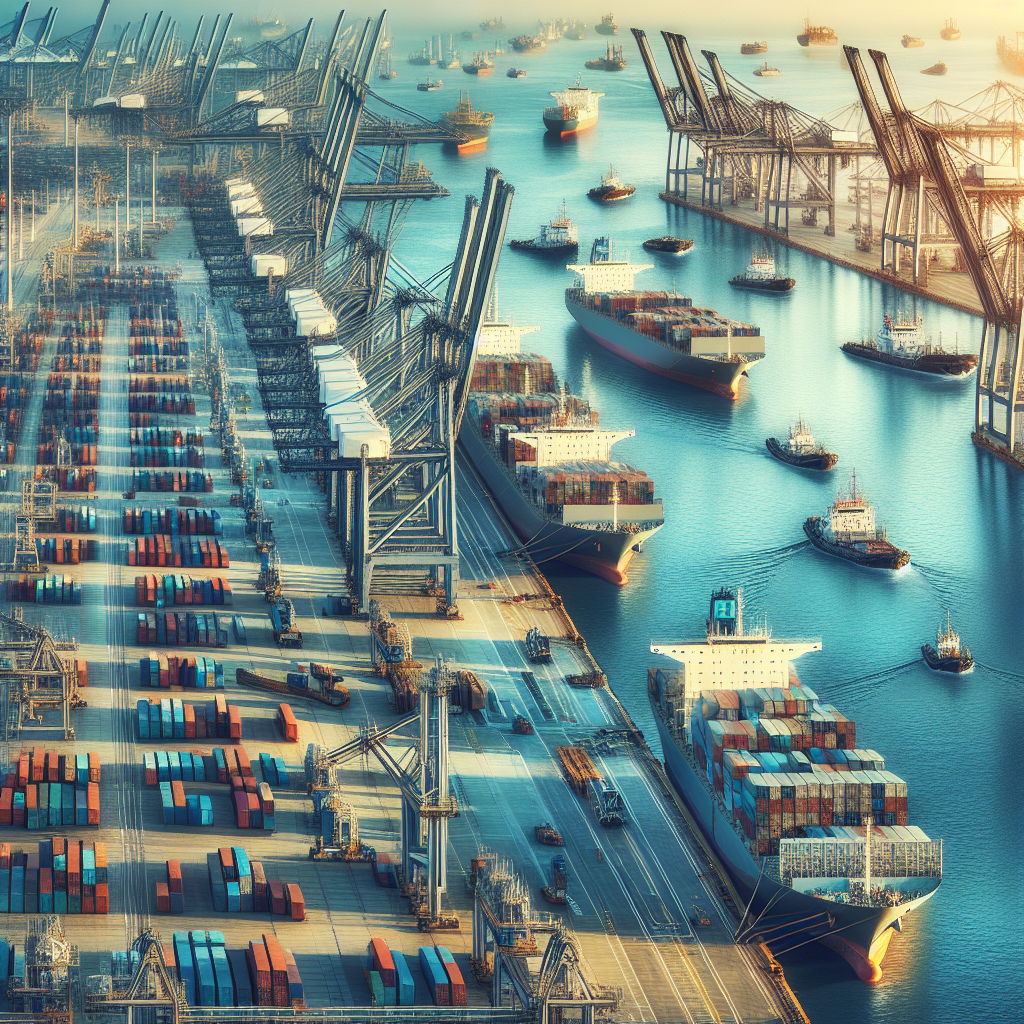
In a move to counteract alleged transshipping of Chinese goods, the U.S. has imposed new tariffs, though harsher penalties won't be enforced immediately. Sources in Southeast Asia reveal that the lack of immediate action eases a major concern among the targeted nations.
Countries such as Vietnam and Thailand have been under U.S. scrutiny for possibly facilitating the transshipment of Chinese products, which would incur higher tariffs if directly shipped from China. The Trump administration's executive order mandates a 40% duty on goods illegally rerouted to disguise their origin, although the interpretation of 'transshipment' remains unclear.
Southeast Asian economies, relying heavily on exports, currently face a 19% tariff rate on U.S. imports. With existing guidelines allowing for a 'substantial transformation' label, the clarity on transshipment rules remains lacking, leaving manufacturers and exporters in uncertainty.


 Google News