

Proposed Gaza Ceasefire: A Path to Peace?
Hamas has accepted a ceasefire proposal involving a 60-day truce, phased hostage exchanges, Israeli pullout from parts of Gaza, and conflict resolution discussions. This mirrors a past U.S. proposal rejected by Hamas. The deal includes complex exchanges concerning prisoners, militants' bodies, and humanitarian aid.
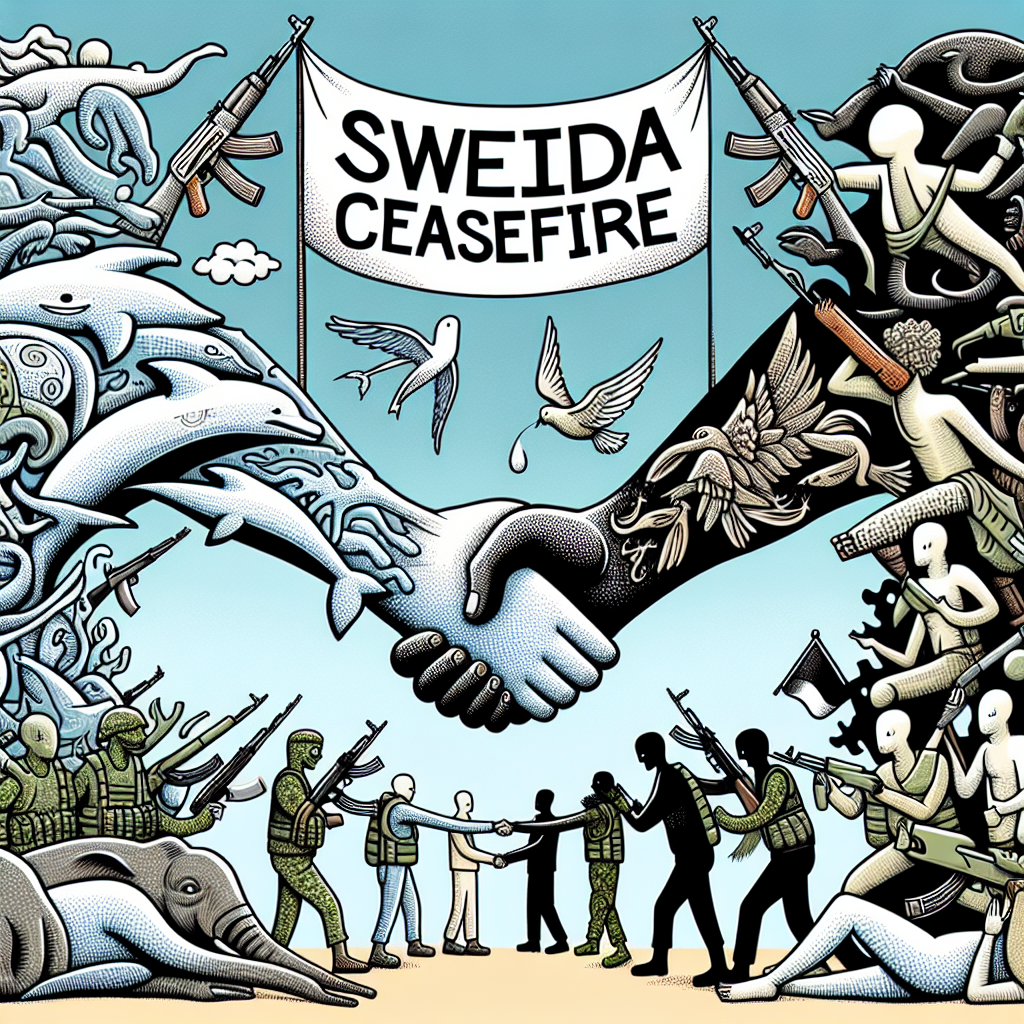
On Monday, Hamas agreed to a ceasefire proposal for a 60-day truce with Israel, awaiting a response by week's end. The agreement entails a phased release of hostages, a pullout of Israeli troops from areas in Gaza, and further dialogue to end the conflict.
This proposal aligns closely with one that Washington had previously put forward earlier this year, which Hamas had rejected in July, according to a spokesperson from Qatar mediating the talks. Key elements of the ceasefire were shared with Reuters by senior Hamas and Egyptian security sources.
The complex agreement includes the return of ten Israeli hostages and bodies of 18 others over the ceasefire period. Israel, for its part, will release 150 Palestinians sentenced to life and another 50 imprisoned for over 15 years. Concurrently, humanitarian aid entry into Gaza will be facilitated by the UN and ICRC. Initial troop withdrawal plans place Israeli forces within a narrow border zone, leading to broader negotiations for permanent peace.


 Google News