

Auckland Transport Shake-Up Restores Power to Elected Leaders and Communities
Under the Local Government (Auckland Council) (Transport Governance) Amendment Bill, responsibility for most transport functions will shift from Auckland Transport (AT) back to Auckland Council.
- Country:
- New Zealand
The Government, alongside Auckland Council, has unveiled the most significant reforms to Auckland's transport system since the creation of the Super City in 2010. The sweeping changes, announced by Transport Minister Chris Bishop, Auckland Minister Simeon Brown, and Auckland Mayor Wayne Brown, aim to restore democratic accountability and ensure Aucklanders can directly influence the decisions shaping the future of their city's transport.
Major Governance Overhaul
Under the Local Government (Auckland Council) (Transport Governance) Amendment Bill, responsibility for most transport functions will shift from Auckland Transport (AT) back to Auckland Council. This includes policy, planning, capital project delivery, and transport infrastructure maintenance. Auckland Council will also formally become the road-controlling authority.
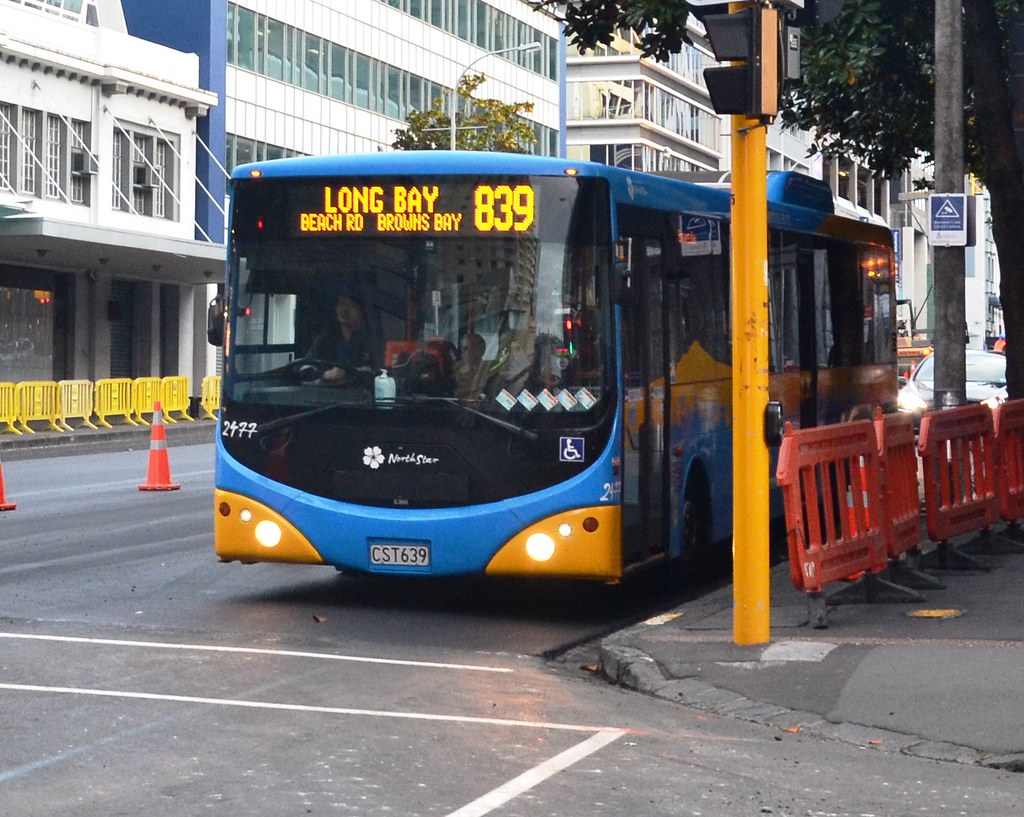
Auckland Transport, which has long been criticized for being unresponsive to public concerns, will be significantly scaled back to focus on its core role of running public transport services such as buses, trains, and ferries. This change is designed to ensure that AT becomes a leaner, more service-focused organization rather than a dominant policymaker.
"This reform puts decision-making where it belongs – in the hands of elected representatives, accountable directly to Aucklanders," Minister Bishop explained.
New Regional Transport Committee
A cornerstone of the reforms is the establishment of the Auckland Regional Transport Committee. The committee will be composed equally of Auckland Council's elected members and Ministerial appointees, led by an independent chair. It will be responsible for preparing a 30-year regional transport plan, building on the work of the Auckland Transport Alignment Project initiated under the previous National Government.
This long-term plan is intended to provide stability in investment decisions, align central and local government priorities, and create a more coherent approach to Auckland's transport future.
Stronger Role for Local Boards
The Bill also enhances the powers of Auckland's 21 local boards, giving them authority over decisions about local and collector roads. Their expanded responsibilities will include setting speed limits, managing parking, approving temporary road closures for events, and creating cycleways.
Arterial roads and the city centre, however, will remain under the control of the Auckland Council's Governing Body, which comprises the Mayor and 20 Councillors.
Mayor Wayne Brown welcomed the reforms, calling them a "major victory" for Aucklanders. "For too long, AT has cost ratepayers around one and a half billion dollars a year but has been accountable to no one. This Bill makes it clear: AT must do what council tells it to do," he said.
Restoring Public Confidence
Minister Simeon Brown emphasized that the changes were driven by widespread dissatisfaction with Auckland Transport's governance model. "For too long, Auckland Transport has failed to listen to Aucklanders and take their views into account. That's why we're changing the law," he said.
By restoring transport decision-making to Auckland Council, the Government believes Aucklanders will regain confidence in how transport priorities are set, reducing frustration and ensuring local voices are heard.
Economic and Social Benefits
According to Ministers Bishop and Brown, the reforms will not only restore democratic legitimacy but also support Auckland's economic growth. By enabling better transport planning, the city can improve accessibility, reduce congestion, and support higher urban density.
The Government has framed these reforms as essential to lifting productivity and ensuring value for money from every dollar spent. With transport capital projects accounting for more than one-third of Auckland Council's 10-year budget, the reforms are expected to strengthen accountability over billions in investment.
Next Steps and Timeline
The Bill will have its first reading in September 2025, with Parliament expected to pass it into law by March 2026. A six-month transition period will follow, with the new governance arrangements anticipated to be in full effect by September 2026 or earlier.
The collaborative approach between central government and Auckland Council is being credited as a breakthrough moment in transport governance. With strong support from the Mayor, central government, and local boards, the reform marks a decisive shift in how Auckland's transport will be shaped for decades to come.


 Google News