

Tensions Rise Over Screwworm Spread Threatening U.S.-Mexico Livestock Trade
U.S. Agriculture Secretary Brooke Rollins criticized Mexico's efforts to control the spread of New World screwworm, risking the U.S. beef industry. The pest's northward advance threatens livestock and has caused strained relations between the countries ahead of trade agreement reviews. Border control for cattle remains tight.
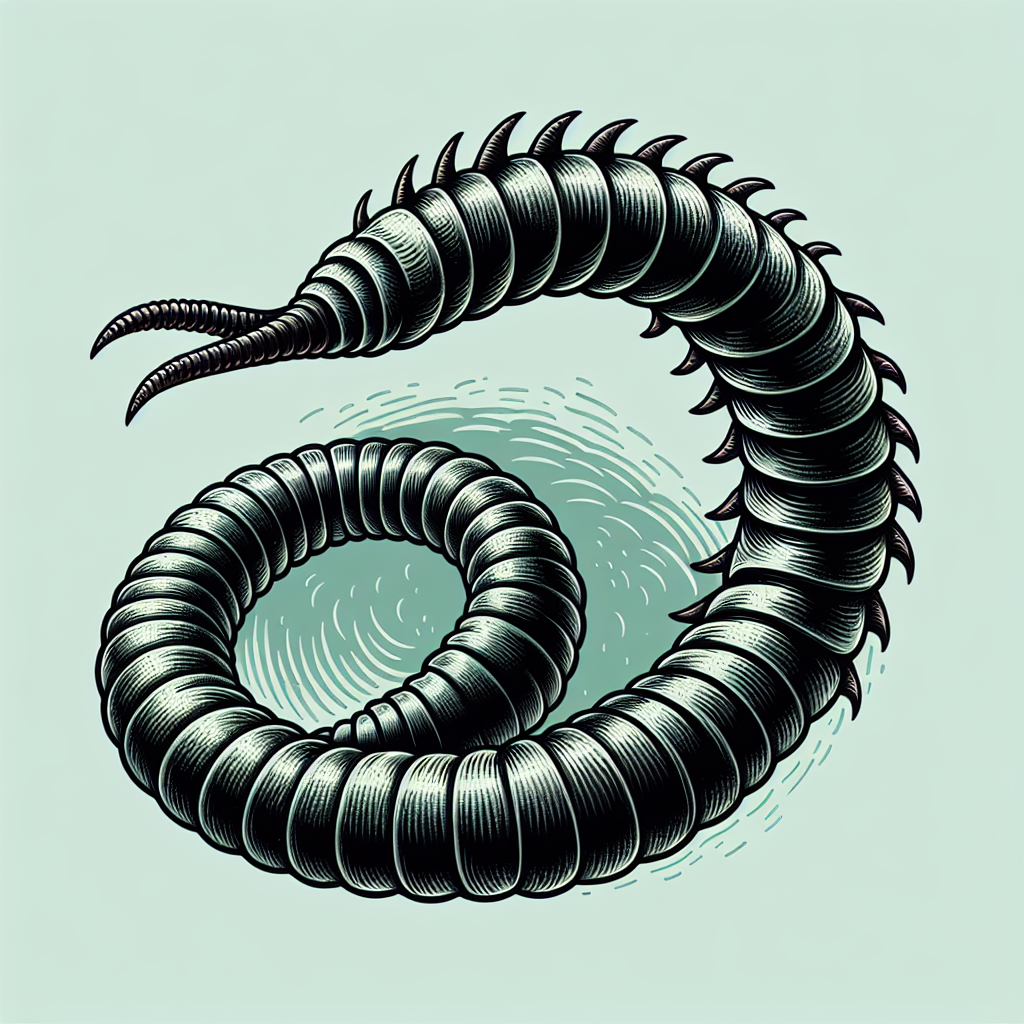
U.S. Agriculture Secretary Brooke Rollins expressed significant concern on Thursday over Mexico's insufficient measures in controlling the New World screwworm, a pest threatening to infiltrate the U.S. beef industry. This issue has heightened tensions between the countries as they prepare for pending trade agreement discussions.
Rollins attributed a recent screwworm detection near the U.S.-Mexico border to Mexico's failures in managing cattle movements and fly trap monitoring, which are crucial in preventing the pest from spreading. The discovery in Nuevo Leon prompted the U.S. Department of Agriculture to dispatch staff to the region urgently.
While Rollins emphasized the necessity of strict surveillance for resuming livestock trade, Mexico's agency maintained that their protocols are jointly set. Mexican President Claudia Sheinbaum reiterated that domestic livestock controls are challenging but crucial, with the U.S. yet to alter its border policies formally.


 Google News