

Japan's PM Takaichi Unveils Ambitious Economic Stimulus Plan
Japan's new Prime Minister, Sanae Takaichi, is crafting an economic stimulus package exceeding $92 billion to fight inflation and boost growth. The plan includes abolishing a gasoline tax and supporting growth sectors, with a focus on small businesses. Funding discussions are underway amid fiscal discipline concerns.
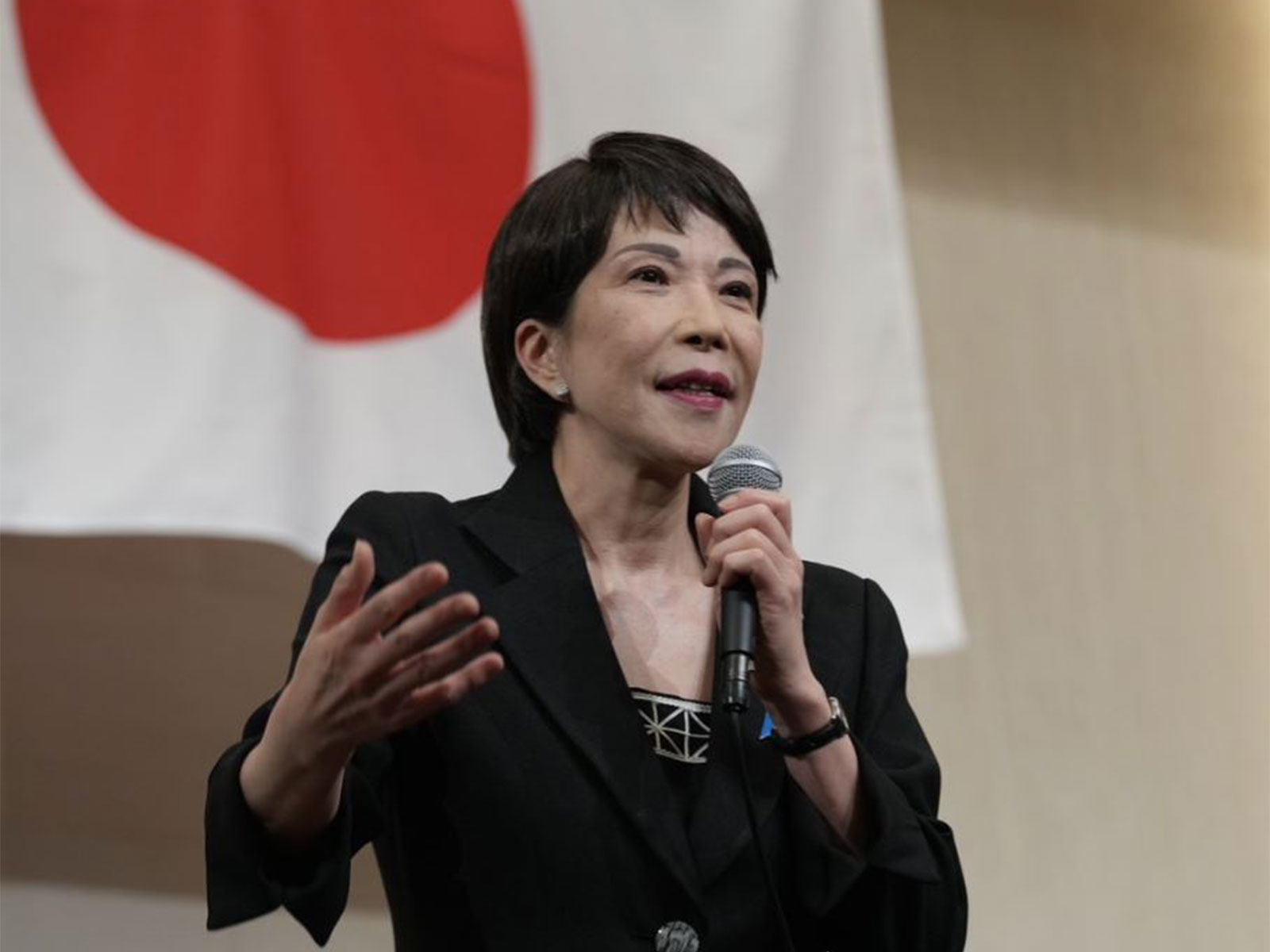
Japan's newly appointed Prime Minister, Sanae Takaichi, is preparing a significant economic stimulus package, expected to surpass $92 billion, sources revealed on Wednesday. This initiative aims to aid households grappling with inflation and showcases Takaichi's dedication to a 'responsible proactive fiscal policy.'
The stimulus is structured around three core pillars: combating inflation, investing in growth industries, and ensuring national security. Initial reactions saw Japan's Nikkei index recover losses, and the yen's gains stabilize. A critical component of the anti-inflation measures includes abolishing the provisional gasoline tax rate.
Further investments are anticipated in sectors such as artificial intelligence and semiconductors. As the government drafts a supplementary budget, there are concerns about balancing fiscal discipline with economic expansion if spending surpasses previous forecasts.
ALSO READ
-
Japan-Backed ILO Projects Help 23,000 Workers Gain Rights and Fight Child Labour
-
Diplomatic Moves: Takaichi's UN Meeting with Trump
-
Riding the Waves: India's Surfing Olympic Dream
-
Japan's Economic Crossroads: Takaichi's Bold Moves Amidst Debt Concerns
-
Indian Judokas Train in Japan: A Pre-Asian Games Adventure


 Google News