

Manufacturing Woes: Asia's Struggle with U.S. Tariffs and Shifting Demands
Asia's manufacturing hubs face challenges due to weak U.S. demand and ongoing tariffs. Despite some progress in trade talks, major nations like China and South Korea report declining export orders. Recent data shows China's factory activity slowing, with its economy still grappling with uncertainties despite a moderated tariff situation.
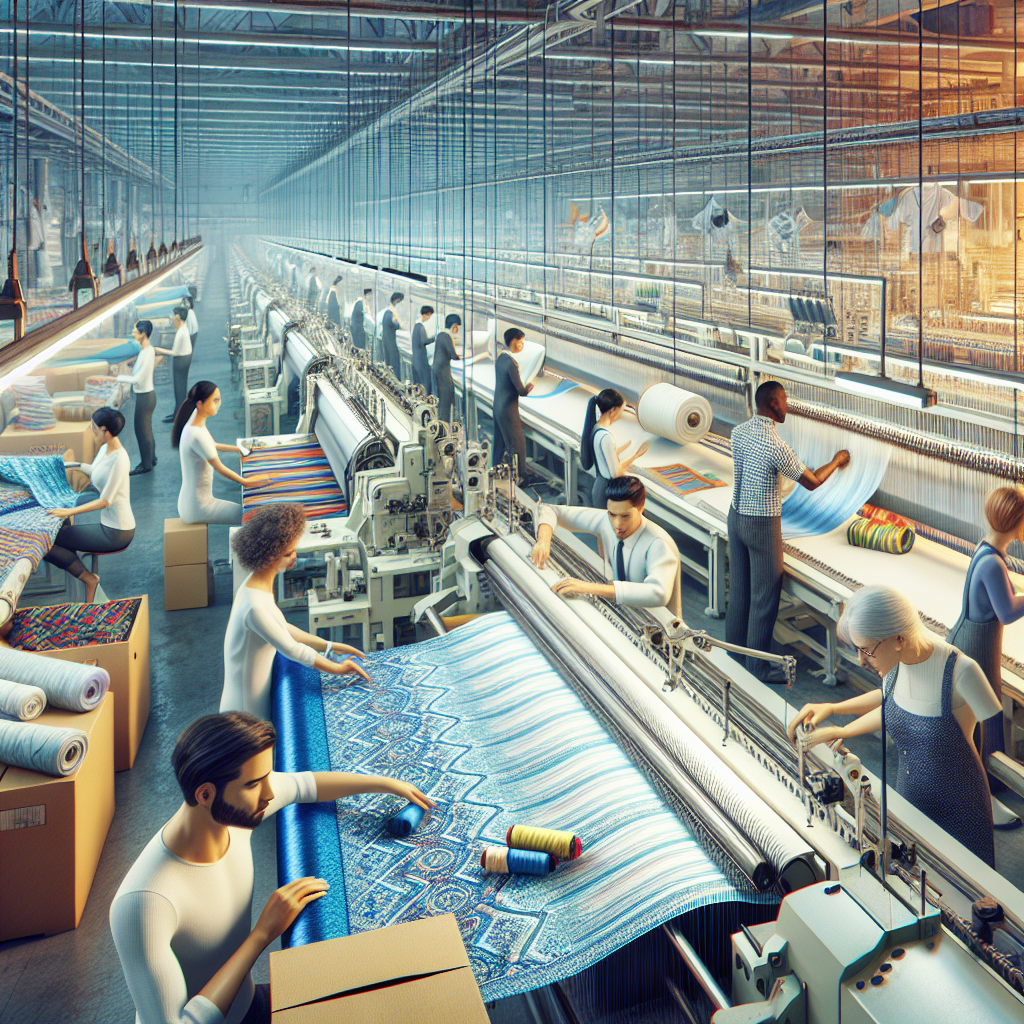
In October, Asia's manufacturing sectors faced significant hurdles as U.S. demand weakened and tariffs from President Donald Trump's administration impacted factory orders regionally. Business surveys revealed that while trade discussions made progress during Trump's Asian visit, exporters remain wary of U.S. demand.
Private-sector PMI figures for October indicated a slower pace of manufacturing growth in China and a drop in South Korean activity, accompanied by a decline in export orders. China's official PMI survey confirmed a seven-month streak of decreasing factory activity, suggesting that export gains made ahead of U.S. tariffs have now diminished.
Though trade negotiations de-escalated tensions last week, deeper economic divides persist. China's September trade data showed unexpected export growth driven by new markets, despite a plunge in U.S.-bound shipments. Similarly, South Korea's trade deal with Trump eased tariffs but highlighted ongoing trade challenges.
ALSO READ
-
Lee Jae Myung's Diplomatic Milestones: Balancing Amidst Global Tensions
-
Diplomatic Moves: Takaichi's UN Meeting with Trump
-
Trade War Chessboard: Agriculture, Energy, and Rare Earths in Focus
-
High-Stakes Diplomatic Dance: Trump and Xi's Crucial Summit
-
Trump's Battle with the Airwaves: A Broadcast Controversy


 Google News