

UN Urges Guinea-Bissau Military to Halt Abuses and Restore Democratic Order
Türk described the situation as alarming, noting that such detentions violate international human rights obligations under the International Covenant on Civil and Political Rights, to which Guinea-Bissau is a State party.
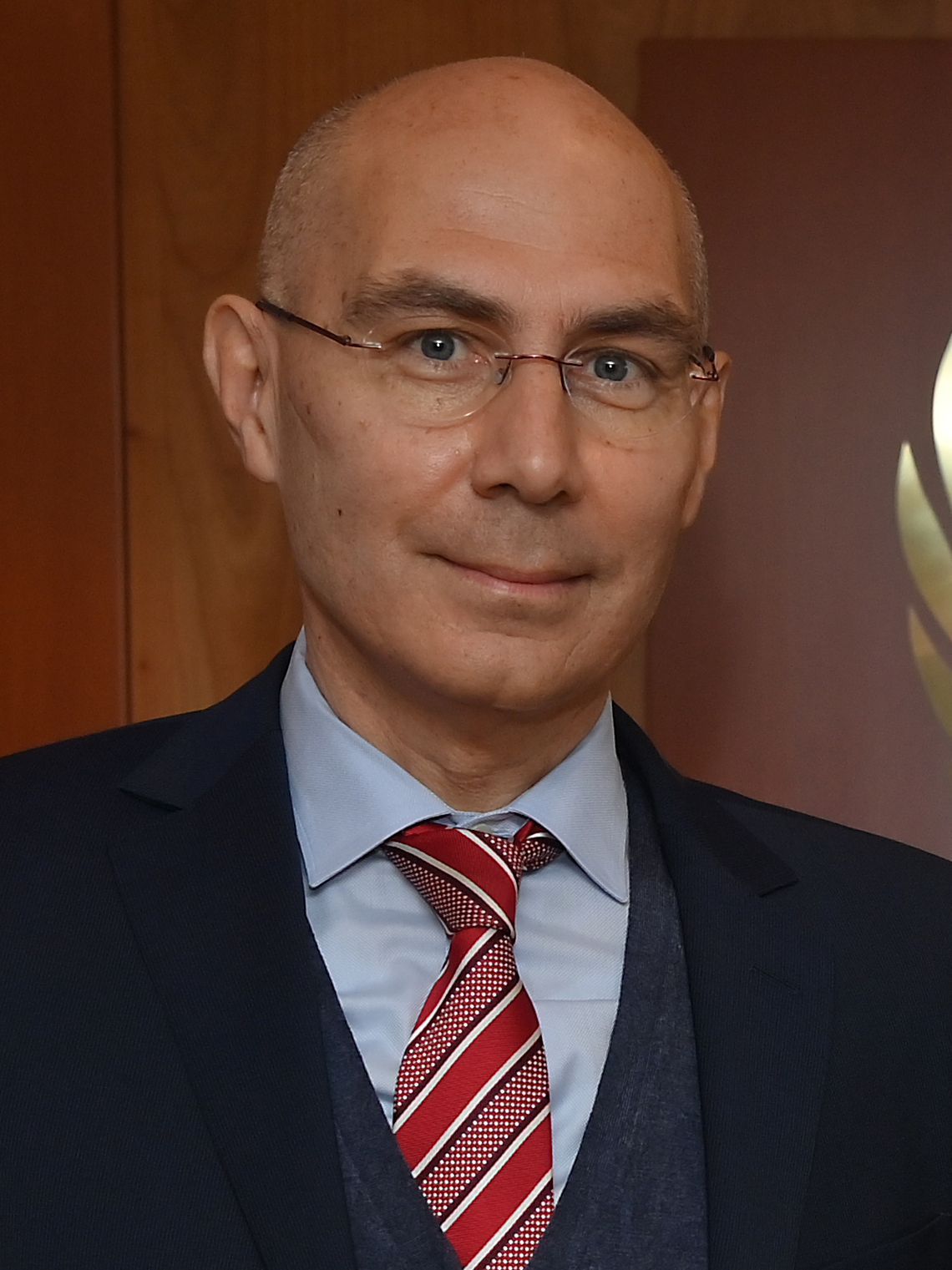
The United Nations has issued a strong warning to the military authorities in Guinea-Bissau following a surge in reports of arbitrary arrests, repression of civil liberties, and excessive use of force in the wake of the 26 November coup d'état. UN High Commissioner for Human Rights Volker Türk urged the coup leaders to immediately cease rights violations and reinstate constitutional rule as political tensions deepen across the country.
Widespread Arbitrary Detentions and Incommunicado Holding
According to credible reports received by the UN Human Rights Office, at least 18 individuals—including senior government officials, magistrates, and prominent opposition figures—have been detained without judicial oversight since the coup. Many are believed to be held incommunicado, raising serious concerns about their safety, access to legal counsel, and protection from mistreatment.
Türk described the situation as alarming, noting that such detentions violate international human rights obligations under the International Covenant on Civil and Political Rights, to which Guinea-Bissau is a State party.
"I am deeply alarmed by reports of human rights violations in Guinea-Bissau following the coup, including arbitrary arrests of Government officials and opposition leaders, as well as threats and intimidation targeting media outlets and journalists," he said. "All those detained arbitrarily must be released immediately and unconditionally."
Clampdown on Media and Communication Platforms
One of the most troubling features of the post-coup environment has been the rapid suppression of independent media. Several radio stations were forcibly shut down following illegal raids on their premises, disrupting vital information flows at a time of heightened public concern. Media workers reported confiscation of equipment, harassment, and direct threats by security personnel.
Internet and social-media access were also deliberately disrupted for two consecutive days, hindering citizens' ability to communicate, share information, and monitor developments. Rights advocates warn that such tactics are consistent with broader patterns of authoritarian control and often precede further abuses.
Use of Live Ammunition Against Peaceful Protesters
The High Commissioner expressed additional concern over the conduct of security forces responding to demonstrations in the capital, Bissau. Reports indicate that unnecessary or disproportionate force—including live ammunition—was used to disperse peaceful crowds protesting the military takeover.
Türk reiterated that international standards require security forces to prioritize de-escalation and avoid force unless strictly necessary. The use of live rounds against unarmed civilians is considered a grave violation of the right to life and peaceful assembly.
"The military authorities must ensure they fully respect everyone's fundamental freedoms, including the right to peaceful assembly," he said.
Coup Disrupts Electoral Transition and Democratic Processes
The military takeover occurred as Guinea-Bissau awaited the certified results of presidential and parliamentary elections held on 23 November. The abrupt intervention undermined what was expected to be a critical democratic transition following months of political instability.
The military leadership has since suspended the election process entirely—a move that Türk warns directly violates citizens' rights to political participation and undermines public confidence in democratic institutions.
The UN's condemnation aligns with that of Secretary-General António Guterres, who called for the "immediate and unconditional restoration of constitutional order" in Guinea-Bissau. Guterres stressed that halting the electoral process sets a dangerous precedent and threatens regional stability in West Africa, where recent coups in Mali, Burkina Faso, and Niger have already strained democratic norms.
Growing International Attention and Regional Concerns
International observers, including the Economic Community of West African States (ECOWAS) and the African Union, are closely monitoring the situation. Both organisations have historically adopted firm stances against unconstitutional changes of government and may consider sanctions or diplomatic interventions should abuses escalate.
Human rights groups warn that prolonged military control could deepen Guinea-Bissau's longstanding governance challenges, including corruption, political fragmentation, and weak rule-of-law institutions. Previous periods of military influence in the country have been marked by widespread abuses, economic stagnation, and isolation from international partners.
UN Calls for Immediate De-Escalation and Accountability
The High Commissioner urged the military authorities to:
-
Release all individuals detained without due process
-
Refrain from further intimidation of journalists and civil society
-
Guarantee freedom of expression, peaceful assembly, and media operations
-
Reopen all communication platforms without delay
-
Reinstate the electoral process and respect citizens' political rights
-
Cooperate fully with international monitors and human rights mechanisms
Türk emphasized that the military leadership bears full responsibility for ensuring the safety, dignity, and rights of all citizens during this political crisis.
"The people of Guinea-Bissau deserve democratic governance, respect for human rights, and accountability from those who exercise power," he said. "The immediate restoration of constitutional order is essential."


 Google News