

UN experts alarmed over new charges against Tunisian judges’ association head
The experts noted that the latest charges add to a series of legal actions initiated against Judge Hmedi since 2022, all of which appear linked to his work as President of the Association of Tunisian Magistrates.
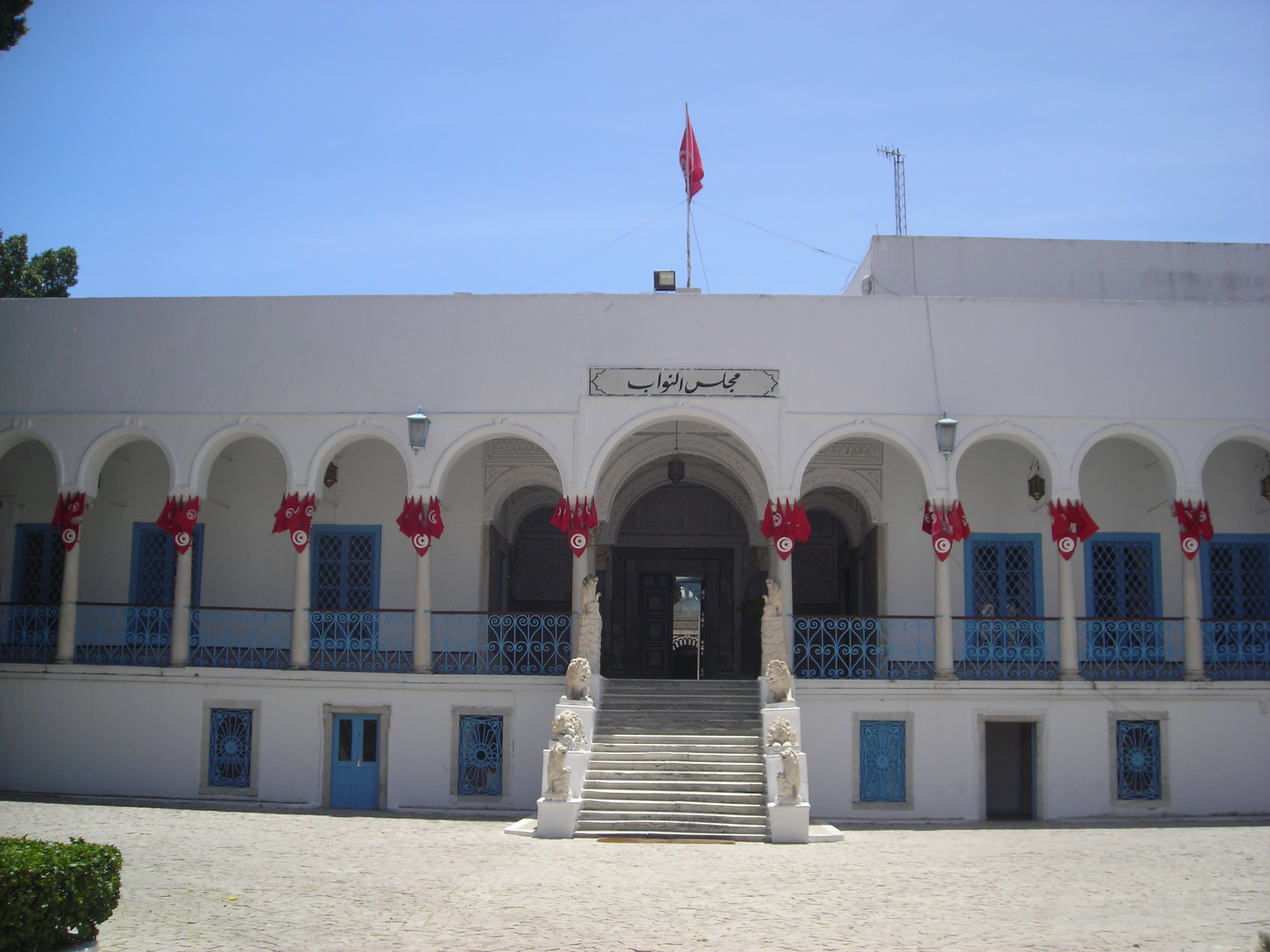
United Nations human rights experts have expressed serious concern over new criminal proceedings initiated against Judge Anas Hmedi, President of the Association of Tunisian Magistrates, warning that the case poses a grave threat to judicial independence in Tunisia.
In a statement issued on Tuesday, the experts said the charges stem from media remarks made by Judge Hmedi in his official capacity as head of the association, where he spoke in defence of the independence and proper functioning of the judiciary. They stressed that judges, both individually and collectively, have the right to engage in public debate on matters affecting the justice system without fear of intimidation, retaliation, or legal harassment.
"Judges must be able, individually and collectively, to participate in public debate on the organisation, functioning, and independence of the judiciary, in accordance with their duties of discretion and responsibility," the experts said. They added that such participation should not expose judges to pressure, deterrent measures, or criminal proceedings that could obstruct their institutional role.
The experts noted that the latest charges add to a series of legal actions initiated against Judge Hmedi since 2022, all of which appear linked to his work as President of the Association of Tunisian Magistrates. In that role, he has consistently spoken out against executive interference in the judiciary and has advocated for respect for the rule of law and constitutional guarantees of judicial independence.
According to the experts, these repeated prosecutions raise concerns that Judge Hmedi is being targeted for his legitimate exercise of fundamental rights, including freedom of expression, freedom of peaceful assembly, and freedom of association. They warned that such actions risk creating a chilling effect on judges and magistrates across the country, discouraging them from speaking out on issues of public interest related to the justice system.
"We are concerned that these actions may constitute a new set of reprisals against Judge Hmedi for exercising his rights to freedom of peaceful assembly and of association, and for defending the independence of the judiciary in Tunisia," the experts said.
The case unfolds against the backdrop of broader international concern over the state of judicial independence in Tunisia, particularly following a series of reforms and measures since 2021 that have reshaped the country's judicial and political landscape. UN experts and other international bodies have repeatedly warned that undermining the autonomy of judges weakens the rule of law and erodes public trust in state institutions.
The experts confirmed that they have been in contact with the Tunisian authorities to convey their concerns and to seek clarification regarding the legal basis and necessity of the proceedings against Judge Hmedi. They urged Tunisia to ensure that judges can carry out their professional and representative functions without fear of reprisals and in full compliance with international human rights standards.
ALSO READ
-
Mexico’s Women Searchers Face Murder and Disappearance as UN Demands State Protection
-
Pakistan Lawyers Rearrested Hours After Bail as UN Experts Demand Immediate Release
-
UN Experts Warn Racism Follows African Migrants Through Dangerous Global Journeys
-
UN Experts Warn Children Reporting Sexual Abuse in France Still Face Risks in Court
-
Tunisia Signs $240M AfDB Deal to Upgrade Water Networks and Clean Up Industry


 Google News