

Govt Rebuts Claims on E20 Fuel, Urges Public to Trust Science
According to the ministry, old images, videos and inaccurate information are being repeatedly shared online to attract attention and generate sensational content, despite lacking scientific evidence.
- Country:
- Bangladesh
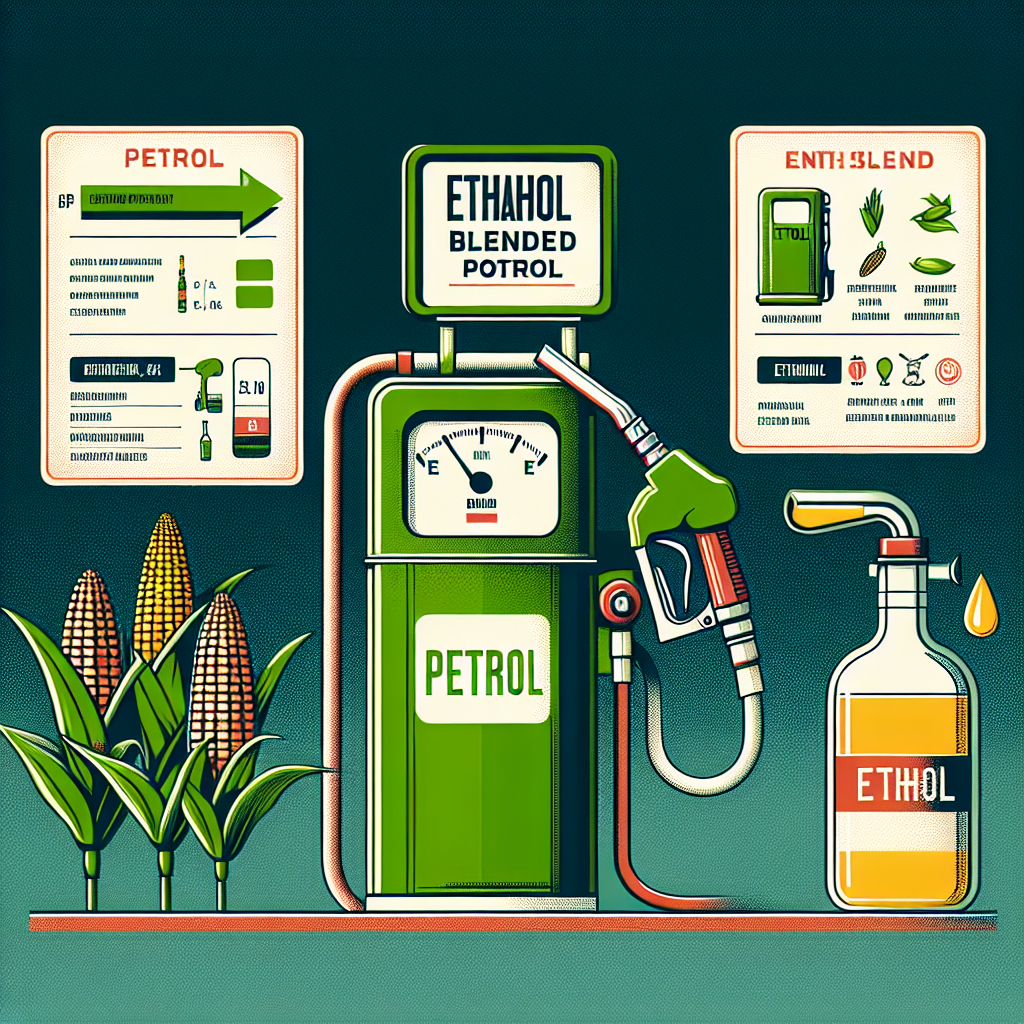
The Ministry of Petroleum and Natural Gas has rejected what it describes as misleading and unverified claims circulating on social media about Ethanol Blended Petrol (EBP), saying several posts and videos are creating unnecessary confusion about the use of E20 fuel in India.
According to the ministry, old images, videos and inaccurate information are being repeatedly shared online to attract attention and generate sensational content, despite lacking scientific evidence. Officials stressed that India's Ethanol Blending Programme is based on extensive technical evaluation and remains under continuous monitoring by the government in consultation with oil marketing companies, automobile manufacturers, fuel testing agencies and other stakeholders.
The programme was introduced in 2003 to reduce dependence on imported crude oil, strengthen energy security and support environmental sustainability. After years of phased implementation, the rollout of 20 percent ethanol blending, commonly known as E20, began in 2023. The ministry stated that since the introduction of E20 petrol, there have been no widespread reports of engine failures or vehicle breakdowns linked directly to ethanol blending.
Ministry Clarifies Viral Social Media Allegations
One of the claims currently circulating online relates to ethanol's ability to absorb moisture from the atmosphere. The ministry explained that water entering a vehicle's fuel tank is undesirable regardless of the type of fuel being used and noted that modern vehicles are designed with safeguards to prevent water contamination. Officials also addressed videos showing sugarcane juice being mixed with petrol and presented as evidence of fuel blending practices.
The ministry described these videos as misleading and clarified that fuel-grade ethanol is produced through regulated industrial processes involving fermentation and distillation. The final ethanol product is significantly different from the original agricultural feedstocks used during production. Feedstocks such as sugarcane juice, molasses, maize and broken rice undergo multiple processing stages before ethanol suitable for fuel blending is produced. Strict quality standards are applied before the fuel reaches consumers. The government said such content appears intended to attract online viewership rather than provide accurate information.
No Evidence Linking E20 Fuel to Ants or Insurance Problems
The ministry also addressed a widely shared video showing ants near a vehicle's fuel cap. Bharat Petroleum Corporation Limited (BPCL) clarified that fuel-grade ethanol contains no residual sugars because the production process removes them completely. In addition, ethanol used for fuel blending contains denaturants that are known to repel insects. BPCL stated there is no scientific basis for claims suggesting E20 fuel attracts ants or other insects. Officials also rejected claims that using E20 petrol could invalidate vehicle insurance policies, saying relevant stakeholders have already clarified that such allegations are incorrect.
The ministry noted that ethanol blending is already widely used in countries including the United States, Brazil and Japan. Brazil, for example, has long operated with E27 as its standard petrol blend. According to government estimates, the Ethanol Blending Programme has helped India save more than ₹1.4 lakh crore in foreign exchange by reducing crude oil imports. The initiative has also created sustained demand for agricultural feedstocks, supporting farmer incomes and strengthening rural economies.
The ministry reaffirmed that ethanol blending remains an important part of India's strategy to improve energy security, reduce carbon emissions and promote cleaner mobility, adding that future implementation will continue to be guided by scientific evidence, technical evaluations and stakeholder consultations.


 Google News