

Ethical Leadership Key to Protecting South Africa's Democratic Gains
The commentary says South Africa's vision of a capable, ethical and developmental state remains a priority of the Seventh Administration and is firmly rooted in the Constitution.
- Country:
- South Africa
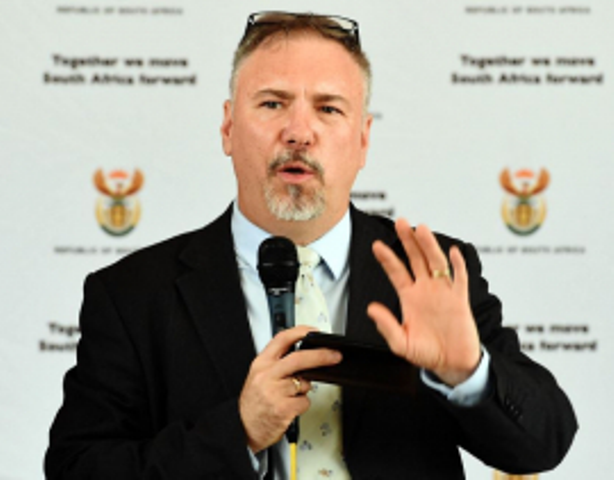
South Africa's democratic journey was built on the sacrifices of generations who fought for freedom, equality and human dignity. Protecting those achievements now depends on ethical leadership, accountable public institutions and active citizen participation, according to a commentary by Michael Currin.
The article argues that democracy cannot be sustained through legislation alone. It requires leaders who act with integrity, use public resources responsibly and place the needs of communities at the centre of governance.
The commentary says South Africa's vision of a capable, ethical and developmental state remains a priority of the Seventh Administration and is firmly rooted in the Constitution. Strong institutions, transparent governance and accountable leadership are described as essential for improving service delivery, creating jobs and supporting economic growth.
Institutions such as the Public Protector, Auditor-General of South Africa and the South African Human Rights Commission are highlighted as important pillars of oversight, helping ensure that public authority is exercised responsibly and constitutional values are protected.
The article also stresses that citizens have a role to play by remaining engaged in public affairs and working alongside government to strengthen democracy.
Public servants drive service delivery
Professional and ethical public servants are identified as one of the foundations of an effective state. Beyond technical expertise, officials are expected to implement policies efficiently, manage public resources responsibly and deliver measurable improvements in people's lives.
The commentary notes that transparency in public spending is a constitutional obligation. Citizens have the right to know how public funds are allocated, how they are spent and whether government institutions are delivering on their commitments.
Strong laws support good governance
The Public Finance Management Act (PFMA) is described as a key safeguard for responsible financial management across national and provincial government. At municipal level, the Municipal Finance Management Act (MFMA) and the Municipal Systems Act establish standards for budgeting, procurement, financial reporting and preventing irregular or wasteful expenditure.
The article points out that legal compliance alone is not enough. Municipalities must also deliver reliable services, maintain infrastructure and ensure public resources translate into meaningful benefits for communities.
Recent decisions by the National Treasury to withhold transfers from municipalities that failed to address governance and financial weaknesses are cited as an example of accountability in action. The interventions underline that public funds must be managed responsibly and in accordance with the law.
Integrity remains central to Vision 2030
The commentary concludes that ethical leadership is central to achieving the National Development Plan (NDP) Vision 2030. While policies and legislation provide the framework for good governance, it is ethical decision-making that turns those principles into better services, stronger institutions and improved quality of life.
According to the article, strengthening integrity across all levels of government will help preserve South Africa's democratic gains while building a responsive, accountable and citizen-focused state.


 Google News