

ILO Launches Earthquake Recovery Project to Rebuild Lives and Jobs in Myanmar
Funded by Japan’s Social Safety Net (SSN) and supplemented by internal ILO resources, the project operates under the ILO’s Employment Intensive Investment Programme (EIIP).
- Country:
- Myanmar
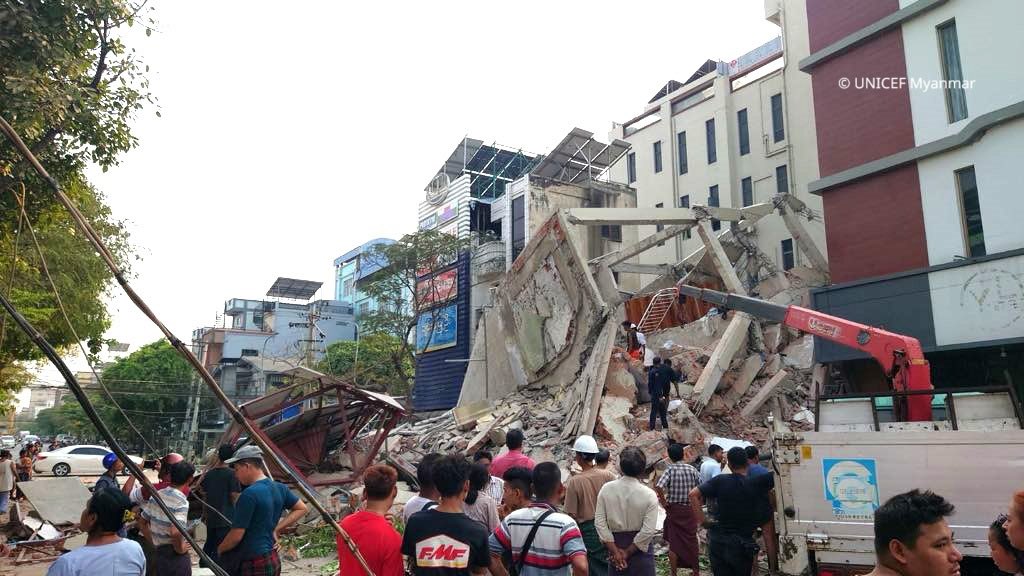
The International Labour Organization (ILO) has launched a major initiative to support livelihood recovery and community resilience in Myanmar following the devastating 7.7 magnitude earthquake that struck the country on 28 March 2025. The disaster left widespread destruction across 58 townships, directly affecting more than 17 million people, with 9 million facing severe hardship.
The new Enhanced Livelihood Recovery and Community Resilience Project, officially launched at Inle Lake on 19 August 2025, aims to rebuild essential infrastructure, restore livelihoods, and help communities regain their footing by prioritizing local job creation, skills development, and resilience building.
A Community-Driven Recovery Approach
Funded by Japan's Social Safety Net (SSN) and supplemented by internal ILO resources, the project operates under the ILO's Employment Intensive Investment Programme (EIIP). This approach emphasizes the use of local labour and locally sourced materials, ensuring that recovery efforts not only repair physical damage but also inject much-needed income into affected households.
Key reconstruction efforts will include:
-
Repairing and rebuilding schools and health centres.
-
Restoring multi-purpose community halls and local roads.
-
Upgrading water, sanitation, and hygiene (WASH) facilities.
By engaging local communities directly in rebuilding efforts, the project seeks to create sustainable recovery pathways while empowering residents with new skills and employment opportunities.
Global Solidarity for Myanmar
Speaking at the launch, Kaori Nakamura-Osaka, ILO Assistant Director-General and Regional Director for Asia and the Pacific, underscored the organization's commitment:
"This is an ILO global initiative, which has assembled dedicated expertise at the country, regional, and global levels. The ILO will spare no effort to ensure the timely and effective delivery of this project as a rapid response to the Myanmar earthquake. It also follows up on the Resolution adopted by the International Labour Conference in June 2025 under Article 33 of the ILO Constitution on Myanmar. This initiative is to mitigate the impact of conflicts and earthquake disasters on workers and enterprises, and ensure crisis responses contribute to long-term resilience."
The ILO's intervention reflects the humanitarian–development–peace nexus, ensuring that short-term emergency responses are aligned with long-term community resilience and social stability.
Jobs, Skills, and Inclusion at the Core
The eight-month project is expected to generate more than 25,000 decent workdays, with at least 30% of opportunities allocated to women, ensuring gender inclusion in recovery efforts.
Local workers, small-scale contractors, and Village Development Committees (VDCs) will benefit from training programmes in:
-
Construction and infrastructure maintenance.
-
Project management and site supervision.
-
Business and cooperative skills to support long-term economic sustainability.
In addition, VDCs will receive IT equipment and computer literacy training, expanding their ability to manage projects, track progress, and engage more effectively in local governance and development planning.
Building Resilience Beyond Reconstruction
While physical reconstruction is a core priority, the initiative also aims to strengthen local institutions and create more resilient communities. By improving technical capacities, supporting women's participation, and creating new opportunities for young people, the project is designed to foster a cycle of recovery that continues beyond the life of the programme.
The ILO highlighted that the project would serve as a catalyst for long-term improvements in Myanmar's disaster preparedness and community resilience. This includes ensuring safer infrastructure, stronger local leadership, and improved employment opportunities, even in the face of ongoing challenges linked to conflict and instability.
A Path Toward Recovery
The Myanmar earthquake underscored the vulnerability of communities already facing economic and political crises. By prioritizing livelihoods alongside reconstruction, the ILO initiative offers a way forward that is inclusive, people-centred, and sustainable.
With strong international backing, particularly from Japan, and the active involvement of local communities, the Enhanced Livelihood Recovery and Community Resilience Project represents more than just reconstruction—it represents a renewed commitment to dignity, decent work, and resilience for the people of Myanmar.
ALSO READ
-
Cambodia’s Career Fair Draws Young Jobseekers to Explore 35,000 Opportunities
-
Africa’s Informal Workers Power Trade but Have Little Say in Rules Shaping Lives
-
Jordan’s Skills Recognition Programme Opens New Opportunities for Workers
-
Vietnam Rethinks Ageing as Jobs, Skills and the Care Economy Become Economic Priorities
-
UN Expert Urges Malaysia to Halt Myanmar Returns as Refugees Face War and Violence


 Google News