

Investing in Rural Transformation: A Key to Global Stability and Prosperity
“The present and future of development finance lies in smart and effective partnerships that align public goals with incentives that attract private investors,” Lario notes.
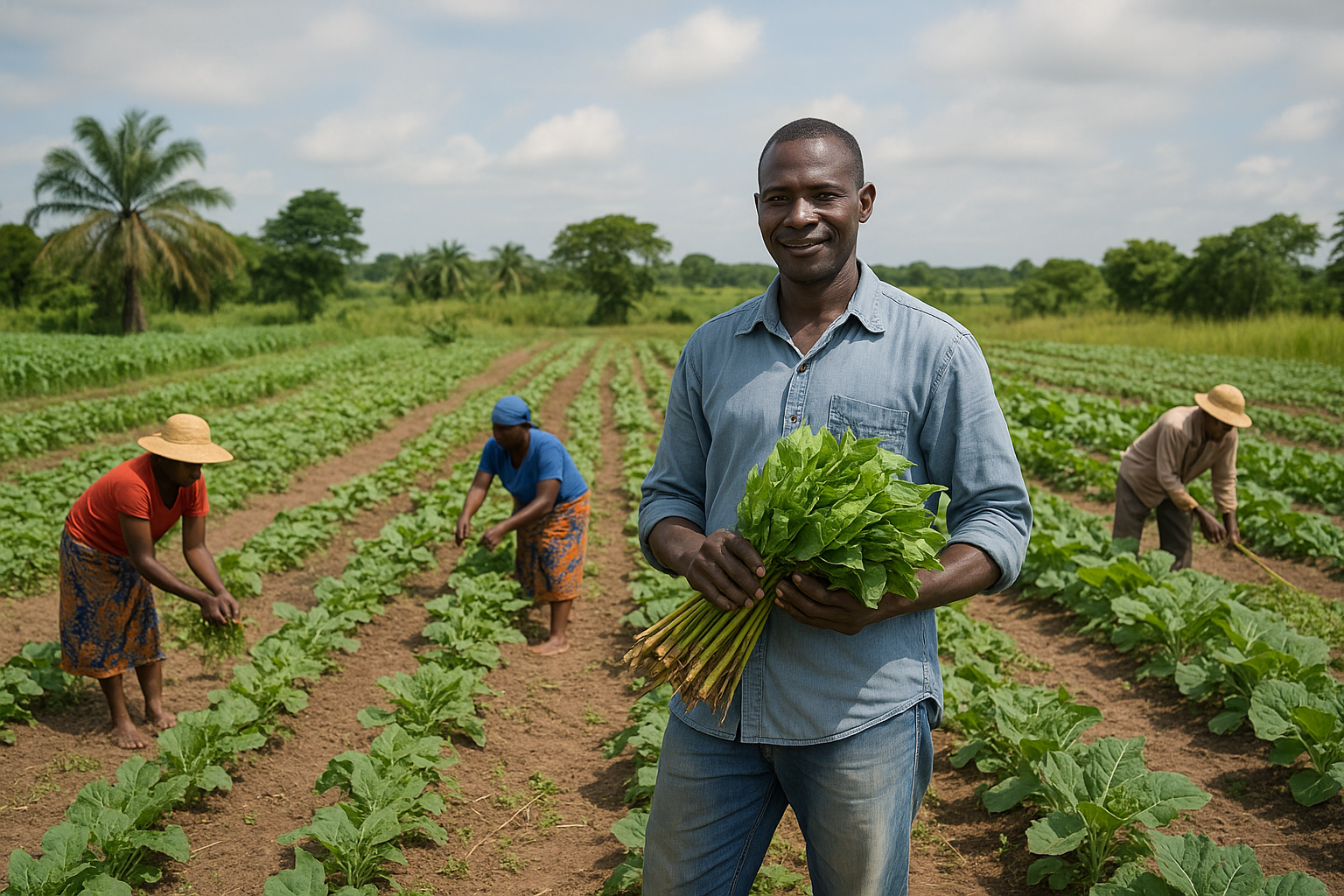
As the world grapples with mounting instability, widening inequality, and the impacts of climate change, the call for sustainable solutions has never been louder. At the upcoming 80th UN General Assembly in New York, Alvaro Lario, President of the International Fund for Agricultural Development (IFAD), will deliver a clear message: investments in rural areas are not only a matter of social justice but also a cornerstone for long-term global security.
Rural Development as a Foundation for Stability
Rural areas are home to nearly 80 per cent of the world's poorest populations. These communities often face limited access to infrastructure, markets, healthcare, and education. Yet they are vital to global food production and natural resource management. Lario emphasizes that "global stability and security take root when we unlock a path to a brighter future for rural people and deliver quality of life and job opportunities."
Investing in rural development creates ripple effects that extend well beyond national borders. Strengthening agrifood systems and rural economies can mitigate forced migration, reduce social unrest, and create stronger economic growth pathways. For over 3 billion people living in rural areas of developing countries, these investments translate into tangible improvements in livelihoods, resilience, and dignity.
Evidence of High Returns
IFAD has repeatedly demonstrated that targeted rural investments generate impressive returns. In Senegal, for example, a recent initiative empowered 10,000 young men and women to return to rural areas rather than seeking precarious urban opportunities or migrating abroad. Thanks to the program, these individuals now earn up to seven times the national minimum wage, illustrating how rural transformation can drive both economic vitality and social cohesion.
Beyond income, rural investments help build resilience against climate shocks—an urgent necessity as extreme weather events increasingly disrupt agriculture and threaten global food supplies. Strengthening local production systems not only improves food security but also ensures communities are better equipped to adapt and thrive.
Financing the Future: Partnerships and Innovation
Global development aid has been on the decline, compelling countries to explore alternative and sustainable sources of financing. Development finance, particularly through smart partnerships, is emerging as a solution. "The present and future of development finance lies in smart and effective partnerships that align public goals with incentives that attract private investors," Lario notes.
IFAD's approach is to treat small-scale farmers and rural communities not as passive recipients but as entrepreneurs and business owners. By creating innovative financial tools, the Fund has successfully attracted both public and private investments. Its Private Sector Financing Programme has mobilized US$165 million in co-financing—nearly half of which comes from private investors—demonstrating that rural transformation can be both investable and transformative.
Driving Institutional Reform for Greater Impact
In addition to external financing, IFAD is focusing on internal reforms to ensure its operations are more efficient and impactful. With one of the leanest cost structures among international financial institutions, the Fund has implemented measures that save resources while improving service delivery. Its latest reforms, including decentralization, have saved US$5.5 million and cut project design and disbursement times nearly in half.
As discussions on reforming the UN system intensify, IFAD is positioning itself as a model of effectiveness, agility, and innovation. The Fund's streamlined structure and commitment to results make it a key actor in ensuring that global development institutions remain relevant and capable of responding to evolving challenges.
A Call to the International Community
At the UN General Assembly, Lario's message is expected to challenge world leaders to rethink the role of rural development in shaping a more stable and prosperous world. Investing in rural areas is not just about alleviating poverty—it is about building resilience, creating opportunity, and securing peace.
By recognizing rural development as a strategic investment rather than a charitable cause, the international community has the opportunity to reshape global security frameworks and ensure that prosperity reaches even the most marginalized corners of the world.
ALSO READ
-
Belize Communities Take the Lead in New Push for Jobs, Skills and Stronger Futures
-
Nigeria Launches $5 Billion AgriConnect Plan to Back Farmers and Create 2.5m Jobs
-
Ten African Nations Raise IFAD Pledges to Put Farmers at the Heart of Rural Growth
-
Lebanon and ILO Move to Modernize Cooperatives and Strengthen Rural Livelihoods
-
The Journey Home That Could Rescue the World’s Abandoned Farmland


 Google News