

UNICEF Report Warns 417M Children Face Severe Deprivation as Progress Stalls
According to the report, more than 1 in 5 children—approximately 417 million—are severely deprived in at least two essential areas of wellbeing.
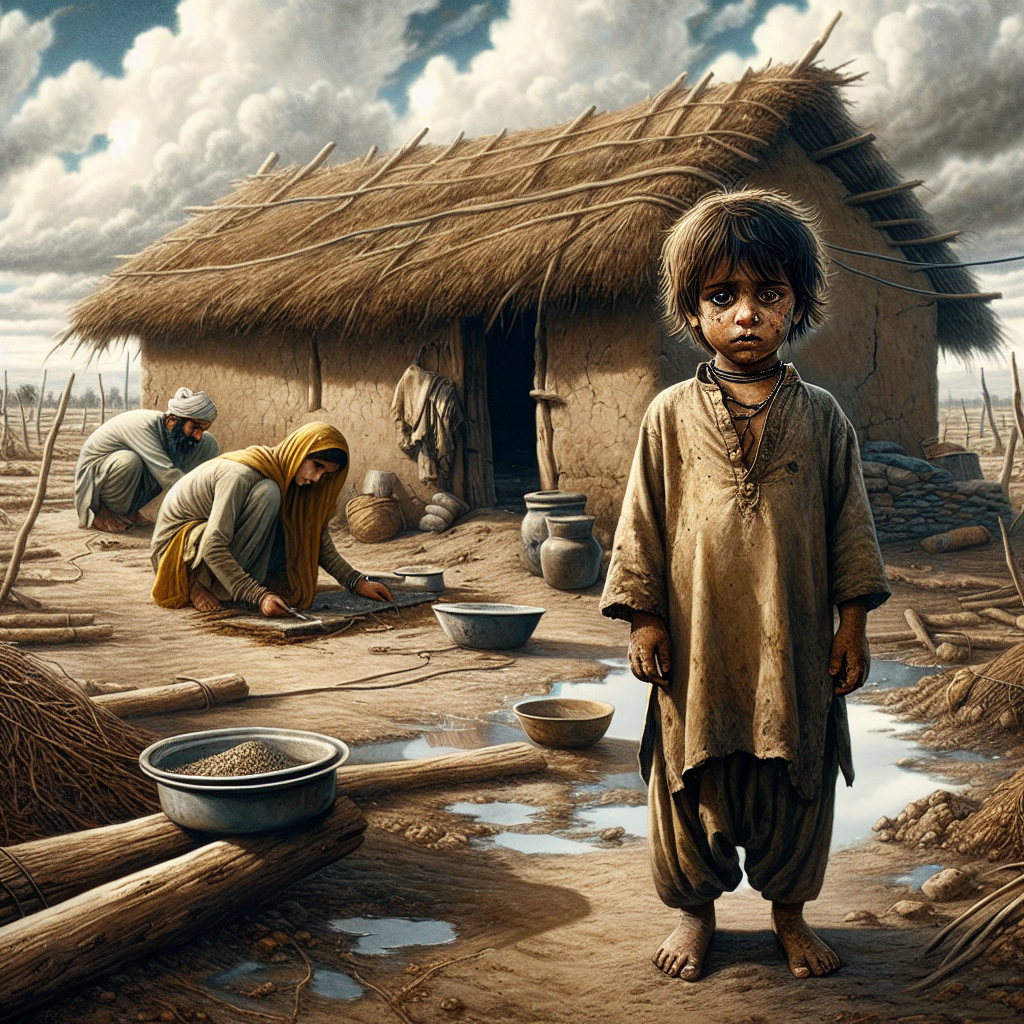
A new global report released by UNICEF for World Children's Day 2025 reveals that child deprivation and poverty remain widespread and deeply entrenched across low- and middle-income countries, placing hundreds of millions of children at risk. The flagship publication, The State of the World's Children 2025: Ending Child Poverty – Our Shared Imperative, presents the most comprehensive international assessment of child poverty in a decade—and highlights both alarming trends and pathways for progress.
According to the report, more than 1 in 5 children—approximately 417 million—are severely deprived in at least two essential areas of wellbeing. These include education, health, housing, nutrition, sanitation, and access to safe water. The findings underscore the urgent need for stronger global action to reverse stalling progress and protect the world's most vulnerable children.
A Stark Picture of Global Child Deprivation
Drawing on data from over 130 low- and middle-income countries, UNICEF's analysis shows:
-
118 million children face three or more severe deprivations
-
17 million children are deprived in four or more areas
-
Severe child poverty remains concentrated in Sub-Saharan Africa and South Asia
For example, in Chad, 64% of children suffer at least two severe deprivations, and almost a quarter experience three or more—figures that highlight the scale of adversity facing many families.
UNICEF Executive Director Catherine Russell says children deprived of basic needs such as nutrition, sanitation, and shelter face life-altering consequences.
"Children growing up in poverty face devastating effects on their health, development and future," Russell said. "It doesn't have to be this way. Governments can unlock a world of possibilities when they commit to ending child poverty."
Sanitation: The Most Widespread Global Deprivation
Among all categories measured, sanitation shows the highest levels of severe deprivation:
-
65% of children in low-income countries lack basic sanitation
-
26% in lower-middle-income countries
-
11% in upper-middle-income countries
Poor sanitation significantly increases children's exposure to communicable diseases, stunting, and chronic health challenges.
Progress Has Slowed—And Could Reverse
The share of children experiencing at least one severe deprivation dropped from 51% in 2013 to 41% in 2023—a sign that investments in child health, education, and social protection can deliver real gains.
But UNICEF warns that progress is now stalling due to:
-
Conflict and humanitarian crises
-
Climate and environmental shocks
-
Demographic pressures
-
Rising national debt
-
Expanding technological divides
-
Massive cuts to Official Development Assistance (ODA)
Combined, these factors risk reversing decades of global development progress.
UNICEF cites The Lancet, warning that new aid cuts could result in 4.5 million additional child deaths by 2030 and put six million more children out of school as early as next year.
Success Stories Show Child Poverty Can Be Reduced
Despite global challenges, UNICEF highlights examples of major national progress:
Tanzania
-
Achieved a 46-point reduction in multidimensional child poverty (2000–2023)
-
Success driven by cash transfer programmes and empowering families to make financial decisions
Bangladesh
-
Reduced child poverty by 32 percentage points over two decades
-
Improved access to education, electricity and better housing
-
Investment in water and sanitation reduced open defecation from 17% to 0% (2000–2022)
These examples demonstrate that child poverty is not inevitable—strategic action works.
The Broader Picture: Monetary Poverty Still High
The report also analyses monetary poverty, which restricts access to food, schooling and healthcare.
Key findings include:
-
19% of children globally live in extreme monetary poverty (under US$3/day)
-
Nearly 90% of these children are in Sub-Saharan Africa and South Asia
-
In 37 high-income countries, 50 million children (23%) live in relative monetary poverty
Some high-income countries have seen worsening trends. Child poverty rose by over 20% in France, Switzerland and the United Kingdom between 2013 and 2023. Conversely, Slovenia achieved a major reduction—over 25%—through strengthened family benefits and minimum wage policies.
The Most Vulnerable: Young Children, Children With Disabilities, and Those in Crisis
The report warns that:
-
Younger children face deeper, more lasting impacts
-
Children with disabilities are at elevated risk of exclusion and poverty
-
Children in conflict and humanitarian crises face multiple, overlapping deprivations
Without urgent action, millions of children risk being locked into lifelong cycles of poverty, ill-health and limited opportunity.
Key Recommendations: A Pathway Out of Child Poverty
UNICEF outlines several actions governments should prioritise:
-
Make ending child poverty a national priority
-
Integrate children's needs into economic planning and national budgets
-
Provide effective social protection, including cash support
-
Expand access to essential public services—water, sanitation, healthcare, education, housing and nutrition
-
Support decent work for parents and caregivers, strengthening household economic security
These measures align with the UN Convention on the Rights of the Child and are proven to reduce child poverty and deprivation.
A Global Call to Action
Russell emphasised that retreating from investment in children risks undermining global stability and future prosperity.
"This is not the time to retreat," she said. "Governments and businesses must strengthen investment in essential services and protect children, especially in fragile contexts. Investing in children builds a healthier and more peaceful world—for everyone."
As the world confronts intersecting crises, the report sends a clear message: child poverty is solvable, but only if nations choose to act boldly and collaboratively.
ALSO READ
-
UNICEF Praises Jordan’s Progress for Children as Funding Cuts Threaten Vital Services
-
Somalia Faces Deepening Hunger as Flood Threat Puts Lives and Farms at Risk
-
Nepal’s Floods Leave 14,000 Children Facing Disrupted Learning as Recovery Needs Grow
-
Drone Strikes Destroy Over 292,000 Textbooks Ahead of Sudan’s New School Year
-
Eritrea Secures $9.82 M Grant to Bring Water Closer and Strengthen Rural WASH


 Google News