

UNHCR Sounds Alarm as Burundi Faces Massive Refugee Influx from Eastern DRC
Where possible, UNHCR and partners are conducting protection monitoring and delivering life-saving supplies, but insecurity continues to limit access.
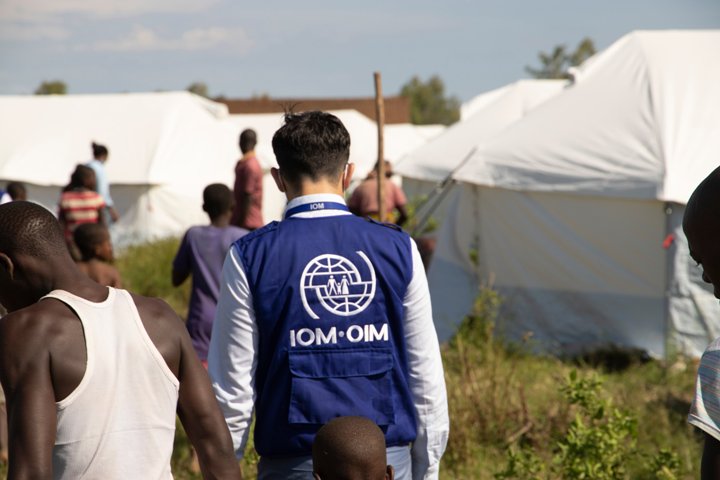
UNHCR, the UN Refugee Agency, has issued an urgent warning about the rapidly deteriorating humanitarian situation in Burundi, where a massive influx of refugees fleeing violence in eastern Democratic Republic of the Congo (DRC) has pushed conditions to a breaking point.
Since early December, more than 84,000 people escaping escalating clashes in South Kivu have crossed into Burundi. This brings the total number of Congolese refugees and asylum-seekers hosted in the country to over 200,000—a scale of displacement that has overwhelmed Burundi's already fragile humanitarian infrastructure.
A Humanitarian Emergency Unfolding at Speed
Thousands of people are crossing daily—many on foot, others in small boats—arriving exhausted, hungry, and deeply traumatized. Women and children make up a significant proportion of new arrivals, with UNHCR teams reporting encounters with pregnant women who had not eaten for days while fleeing violence marked by drone attacks, bombardments and armed clashes.
Transit centres and informal settlements in Burundi have exceeded capacity by nearly 200 per cent, leaving families to sleep on bare ground or in overcrowded shelters. Severe shortages of clean water, sanitation facilities and medical care have heightened the risk of cholera, Mpox and other deadly diseases.
Immediate supplies—especially tents, food, water, latrines and medical kits—are urgently needed to protect lives.
Bweru: A New Site Under Pressure
To relieve overcrowding, the Government of Burundi designated a new site in Bweru, in Ruyigi Buhumuza province. Nearly 21,000 refugees have already been transferred there. However, conditions remain dire:
-
Many families are still sleeping in the open
-
There is insufficient shelter for thousands
-
High-altitude temperatures drop sharply at night
-
Ongoing rains are worsening exposure and illness
UNHCR warns that without urgent support, the situation will deteriorate rapidly.
Crisis on Both Sides of the Border
Inside South Kivu, the humanitarian emergency is equally acute. Violence and bombardments have displaced over 500,000 Congolese this year, many of whom have been forced to flee multiple times.
-
Schools have been converted into overcrowded shelters
-
Access to humanitarian aid remains dangerously restricted
-
Cases of cholera are already emerging
Where possible, UNHCR and partners are conducting protection monitoring and delivering life-saving supplies, but insecurity continues to limit access.
UNHCR Calls for an End to the Conflict and Safe Humanitarian Access
UNHCR reiterated its call for an immediate end to the conflict in eastern DRC and urged all parties to honour commitments made in peace initiatives. Protecting civilians, ensuring safe humanitarian passage and preventing further displacement must remain top priorities.
Despite huge challenges, UNHCR is racing to respond:
-
Registering new arrivals
-
Providing essential household items: blankets, buckets, mats
-
Setting up infrastructure in Bweru: tents, latrines, water tanks
-
Improving access roads and preparing land for additional shelters
-
Identifying people with specific vulnerabilities—unaccompanied children, survivors of sexual violence, and others requiring urgent care
Funding Needs: A Critical Gap
UNHCR urgently requires US$47.2 million over the next four months to assist:
-
500,000 internally displaced people in the DRC
-
Up to 166,000 refugees in Burundi, Rwanda and neighbouring countries
Without swift funding, essential relief will continue to be delayed, placing thousands more at immediate risk.


 Google News