

UNHCR Warns of Humanitarian Crisis as Refugee Influx Overwhelms Burundi
Reception centres, transit facilities and informal hosting sites in Burundi are now operating far beyond capacity, in some cases at nearly 200 percent.
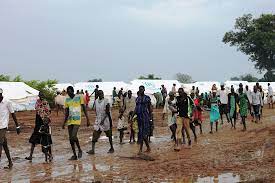
UNHCR, the UN Refugee Agency, has raised urgent alarm over a rapidly deteriorating humanitarian situation in Burundi, as a massive influx of refugees and asylum-seekers fleeing violence in eastern Democratic Republic of the Congo (DRC) pushes the country's response capacity to a breaking point.
Since early December, more than 84,000 people escaping intensified fighting in South Kivu province have crossed into Burundi, bringing the total number of Congolese refugees and asylum-seekers in the country to over 200,000. Thousands continue to arrive daily on foot and by boat, overwhelming border communities and local services and creating an acute humanitarian emergency requiring immediate international support.
Women and children make up the majority of those arriving and are among the most severely affected. Many reach Burundi exhausted, malnourished and deeply traumatised after witnessing or experiencing violence. UNHCR teams report meeting pregnant women who had not eaten for days, highlighting the extreme vulnerability of new arrivals.
Reception centres, transit facilities and informal hosting sites in Burundi are now operating far beyond capacity, in some cases at nearly 200 percent. Overcrowding, combined with severe shortages of clean water and sanitation facilities, is increasing the risk of outbreaks of life-threatening diseases such as cholera and Mpox. UNHCR says immediate supplies — including shelters, latrines, safe drinking water, food and medical stocks — are urgently needed.
To relieve pressure on overcrowded sites, the Government of Burundi has designated a new relocation area at Bweru in Ruyigi Buhumuza province, in the east of the country. Nearly 21,000 refugees have already been moved there from reception and transit centres. However, conditions at the new site remain extremely challenging.
Many families are still sleeping outdoors due to a shortage of tents, leaving thousands exposed to harsh weather in a high-altitude area where temperatures drop sharply at night and heavy rains continue. UNHCR warns that without rapid improvements, conditions at Bweru could further endanger already vulnerable populations.
Across the border in South Kivu, the situation inside the DRC continues to worsen. Violence, drone strikes and bombardments have forced more than 500,000 people from their homes, many of whom have been displaced multiple times this year alone. Schools have been turned into overcrowded shelters, and the first cases of cholera have been reported. Ongoing fighting is also restricting humanitarian access, limiting the ability of aid agencies to reach people in desperate need.
Despite these constraints, UNHCR and its partners continue to provide life-saving assistance wherever access allows, including protection monitoring and emergency support. The agency has renewed its call for an end to the conflict in eastern DRC and urged all parties to honour commitments made in recent peace efforts, protect civilians, and guarantee safe and unhindered humanitarian access.
In Burundi, UNHCR and partners are registering new arrivals and distributing essential items such as blankets, buckets and household supplies. Together with the government, they are also working to establish basic infrastructure at the Bweru site, including tents, latrines and water tanks, while improving road access and preparing land for additional shelters. Protection teams are prioritising the identification and support of people with specific needs, including unaccompanied children and survivors of sexual violence.
However, UNHCR warns that the scale of needs far exceeds available resources. The agency is seeking US$47.2 million over the next four months to support 500,000 internally displaced people inside the DRC and up to 166,000 refugees in Burundi, Rwanda and other neighbouring countries.
Without swift and substantial additional funding, UNHCR cautions that aid delivery will continue to be delayed, placing hundreds of thousands of already vulnerable people at even greater risk.


 Google News