

MENA’s Waste Crisis Is a Tech Opportunity Worth $7.2 Billion a Year
Across MENA, nearly 80 percent of waste is collected, but less than 10 percent is recycled, and more than two-thirds is mismanaged.
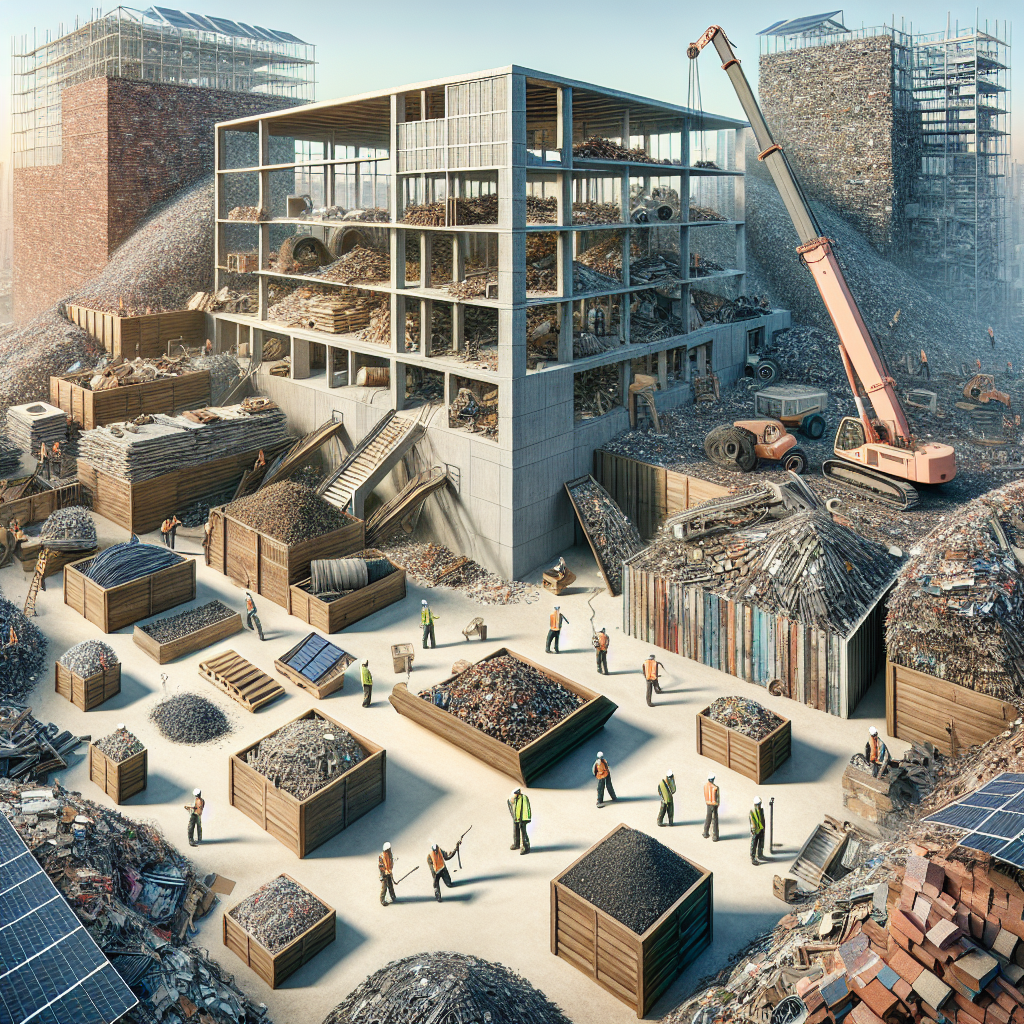
The Middle East and North Africa (MENA) region is facing a fast-escalating waste crisis—but one that could unlock major opportunities for climate tech, circular economy platforms, and smart urban infrastructure, according to a new World Bank report, Waste Management in the Middle East and North Africa.
The region currently generates more than 155 million tons of waste every year, exceeding the global average on a per-capita basis. Without urgent intervention, that figure is projected to double by 2050, amplifying environmental damage already estimated at US$7.2 billion annually. Public health risks are mounting, ecosystems are under strain, and tourism—one of the region's most important economic pillars—is increasingly exposed.
Yet the data also points to a striking inefficiency that tech innovators are well-placed to solve.
Across MENA, nearly 80 percent of waste is collected, but less than 10 percent is recycled, and more than two-thirds is mismanaged. This gap between collection and recovery is driving air, soil, and water pollution, while making the region the world's largest per-capita source of plastic leakage into the seas. The Mediterranean, in particular, has become one of the most polluted marine environments globally.
"Urban centers across the MENA region are on the frontline of the waste challenge," said Almud Weitz, Regional Practice Director for Infrastructure at the World Bank. "Improving waste service delivery is critical to reducing pollution, protecting communities, and ensuring cities remain engines of growth and opportunity."
For technologists, the report reads like a market map.
Drawing on new data from 19 countries and 26 cities, the World Bank identifies that up to 83 percent of collected waste in MENA could be reused, recycled, or recovered for energy—if modern systems were in place. Smart sorting, AI-driven logistics, waste-to-energy platforms, digital tracking, and circular materials marketplaces all emerge as high-impact solutions in a region where waste is abundant but underutilized.
"Even a modest shift can make a big difference," said Mesky Brhane, Regional Practice Director for the Planet Department at the World Bank. "A 1 percent reduction in waste generation could save the region up to US$150 million annually. Modernizing waste systems and embracing circular economy solutions can protect public health, strengthen tourism, and build greener cities."
The report outlines differentiated pathways—offering clear entry points for early adopters:
-
High-income countries can deploy advanced technologies to sharply reduce landfilling and scale circular economy models.
-
Middle-income countries can leapfrog legacy systems by pairing universal collection with modern recovery and treatment tech.
-
Fragile and conflict-affected states can adopt low-cost, community-driven and decentralized innovations that deliver impact quickly.
Beyond environmental gains, the transition could also create higher-quality jobs in waste services, recycling, and green manufacturing—turning a long-standing liability into a growth engine.
The call to action is clear: for climate tech startups, urban AI platforms, materials innovators, and investors looking for scalable impact, MENA's waste challenge represents one of the region's largest untapped opportunities. Early movers who pilot, localize, and scale solutions now could help define the infrastructure of cleaner, smarter cities—while capturing a rapidly expanding market.


 Google News