

Volker Türk Slams Israeli Strikes on Lebanon as Civilian Toll Mounts and Ceasefire Fragility Deepens
The strikes reportedly came within hours of a ceasefire agreement involving Iran, raising alarm among international observers about the durability of regional de-escalation efforts.
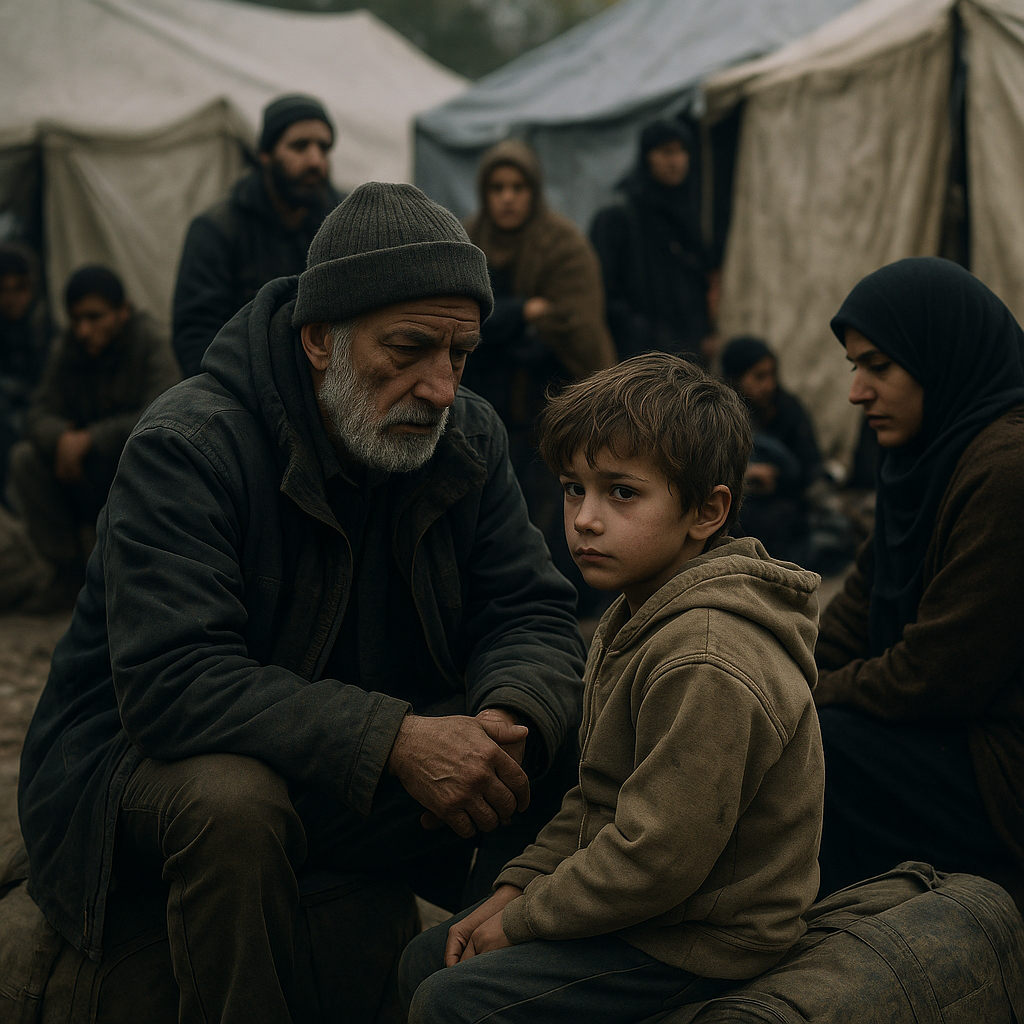
The United Nations has issued a stark condemnation of a massive wave of Israeli airstrikes across Lebanon, warning that the scale of destruction and civilian casualties risks undermining already fragile regional peace efforts.
UN High Commissioner for Human Rights Volker Türk described the attacks as "nothing short of horrific," citing reports of hundreds killed and injured within hours, including civilians, in one of the most intense escalations in recent months.
Strikes Intensify Despite Ceasefire Context
The strikes reportedly came within hours of a ceasefire agreement involving Iran, raising alarm among international observers about the durability of regional de-escalation efforts.
"Such carnage… defies belief," Türk said, warning that the violence places "enormous pressure on a fragile peace" urgently needed by civilians across the region.
According to Israeli authorities, approximately 100 strikes were carried out in just 10 minutes, targeting multiple areas including:
-
Beirut's southern suburbs
-
Southern Lebanon
-
The eastern Bekaa Valley
The speed and scale of the operation have drawn particular concern from human rights observers, who say it reflects a high-intensity, wide-area bombardment pattern.
Civilian Casualties Surge, Health System Overwhelmed
Reports from the ground indicate mass casualties, with hospitals struggling to cope with the influx of wounded. A UN Human Rights team at one of the strike sites in Beirut described scenes of extensive destruction, with bodies recovered from rubble.
In southern Lebanon, strikes have reportedly hit sensitive civilian locations:
-
A building near Hiram Hospital in Al-Aabbassiye, killing four people and damaging the facility
-
An ambulance operated by the Islamic Health Authority in Qlaileh, reportedly killing three
Such incidents raise serious concerns about the protection of medical infrastructure, which is explicitly safeguarded under international humanitarian law.
Violations of International Humanitarian Law Under Scrutiny
Türk reiterated that all military operations must comply with the core principles of international humanitarian law:
-
Distinction between civilians and combatants
-
Proportionality in the use of force
-
Precautions to minimise civilian harm
"These principles are non-negotiable," he stressed, calling for immediate, independent investigations into alleged violations and accountability for those responsible.
Escalating Conflict Since March
The latest strikes come against the backdrop of a broader escalation that has already taken a heavy toll on Lebanon:
-
More than 1,500 people killed since 2 March 2026
-
Over 200 women and children among the मृत
-
More than one million people displaced
At the same time, Hezbollah missile and drone attacks on northern Israel between early March and early April have resulted in civilian casualties and infrastructure damage, further intensifying the cycle of violence.
Türk condemned attacks by all parties, urging an immediate cessation of hostilities.
Mass Displacement and Expanding Military Footprint
The humanitarian situation is further exacerbated by large-scale displacement orders issued by Israel, covering approximately 14% of Lebanese territory.
Affected areas include:
-
The entire region south of the Zahrani River
-
Much of Beirut's southern suburbs
-
Parts of the Bekaa Valley
In addition, reports indicate the demolition of homes and commercial buildings in southern border villages, raising concerns about long-term displacement and reconstruction challenges.
Fears of Occupation and Regional Escalation
Statements by Israeli officials suggesting potential occupation or annexation of parts of southern Lebanon have intensified international concern.
"The scale of such actions… is deeply troubling," Türk said, warning that these developments could further destabilise the region and prolong the crisis.
A Region on the Brink
The latest escalation underscores the fragile nature of peace efforts in the Middle East, where interconnected conflicts risk spiralling into broader confrontation.
"The international community must act quickly to help bring an end to this nightmare," Türk urged, emphasising that lasting peace cannot be achieved while civilians remain under fire, displaced, and living in fear.
Urgent Call for International Action
Human rights experts stress that without:
-
Immediate de-escalation
-
Protection of civilians
-
Accountability for violations
…the conflict risks deepening humanitarian suffering and undermining diplomatic efforts across the region.
As violence intensifies, the UN's message is clear: respect for international law and civilian protection must remain at the centre of any path toward peace.


 Google News