

ILO Marks Decade of Refugee Work Inclusion Framework
Adopted by ILO constituents in 2016, the Guiding Principles provide governments, employers, and workers' organizations with a framework for addressing displacement through labour market policies and employment opportunities.
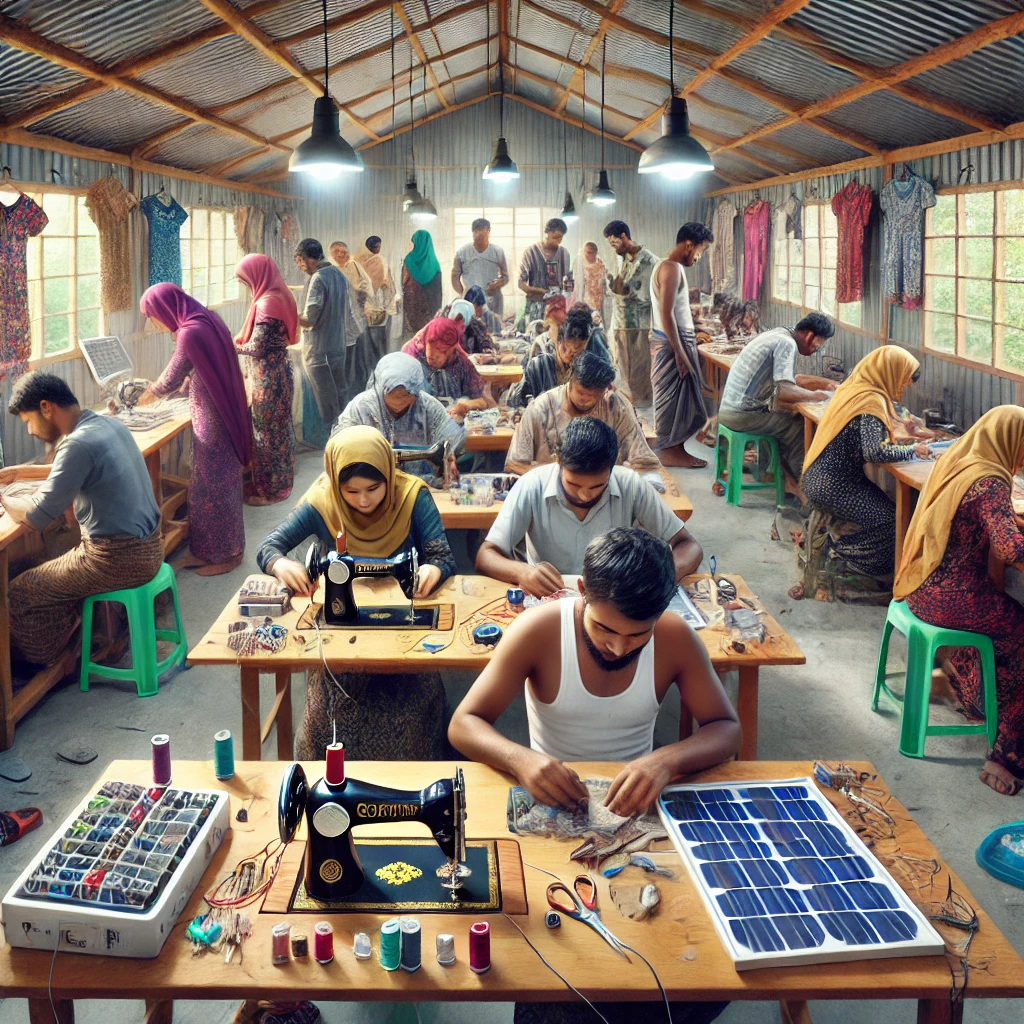
Ahead of World Refugee Day, the International Labour Organization (ILO) is marking ten years since the adoption of its Guiding Principles on the Access of Refugees and Other Forcibly Displaced Persons to the Labour Market, while launching a new series of resources aimed at helping countries strengthen labour market inclusion. The initiative comes at a time when global displacement has reached unprecedented levels, with millions of refugees and forcibly displaced people seeking opportunities to rebuild their lives and support their families.
The ILO says access to decent work remains one of the most important factors in helping displaced people achieve greater independence, contribute to local economies, and integrate into host communities. Employment not only provides income but also supports dignity, stability, and long-term social inclusion.
Ten Years of Guiding Principles Shape Policy Responses
Adopted by ILO constituents in 2016, the Guiding Principles provide governments, employers, and workers' organizations with a framework for addressing displacement through labour market policies and employment opportunities.
The framework covers six key areas, including labour market access, employment policies, labour rights, social dialogue, support for returnees, and pathways for labour mobility. Over the past decade, the principles have influenced policy development in countries hosting refugees and other displaced populations, helping strengthen labour market governance and encouraging more inclusive approaches to employment.
According to the ILO, many countries have made meaningful progress in recognizing the economic contributions of refugees and creating opportunities that benefit both displaced people and host communities. Despite these advances, significant challenges remain. Refugees often face legal restrictions, difficulties in obtaining recognition for their qualifications, barriers to social protection, discrimination, and limited access to quality jobs.
New Publications Share Practical Solutions from Around the World
To mark the anniversary, the ILO has launched a new series of knowledge products that showcase practical experiences and successful approaches from different countries. The first publications focus on lessons from Uganda, Germany, Kenya, and Colombia. These case studies explore topics such as labour market access, self-reliance, data-driven employment policies, integration into national systems, and promoting equal treatment in the workplace.
The organization hopes the collection will serve as a valuable resource for policymakers, employers' organizations, workers' groups, and development partners seeking evidence-based strategies to improve labour market inclusion for displaced populations. Additional publications covering other aspects of the Guiding Principles and experiences from more countries are expected to be released in the coming months. As World Refugee Day approaches under the theme "Until Everyone Is Safe," the ILO is calling for renewed efforts to ensure refugees and forcibly displaced people can access decent work and fully participate in the communities where they live.
The organization argues that safety and inclusion are closely linked. Employment provides more than a livelihood—it creates opportunities, strengthens social cohesion, and helps build more resilient and prosperous societies for both displaced populations and host communities.


 Google News