

Bangladesh's Turmoil: A Month After Hasina's Ouster
A student-led movement ousted Bangladesh's Prime Minister Sheikh Hasina, leading to weeks of violence and the installation of an interim government by Nobel laureate Muhammad Yunus. With unrest still ongoing, Yunus aims to restore law, order, and prepare for new elections amid a deeply shaken nation.
- Country:
- Bangladesh
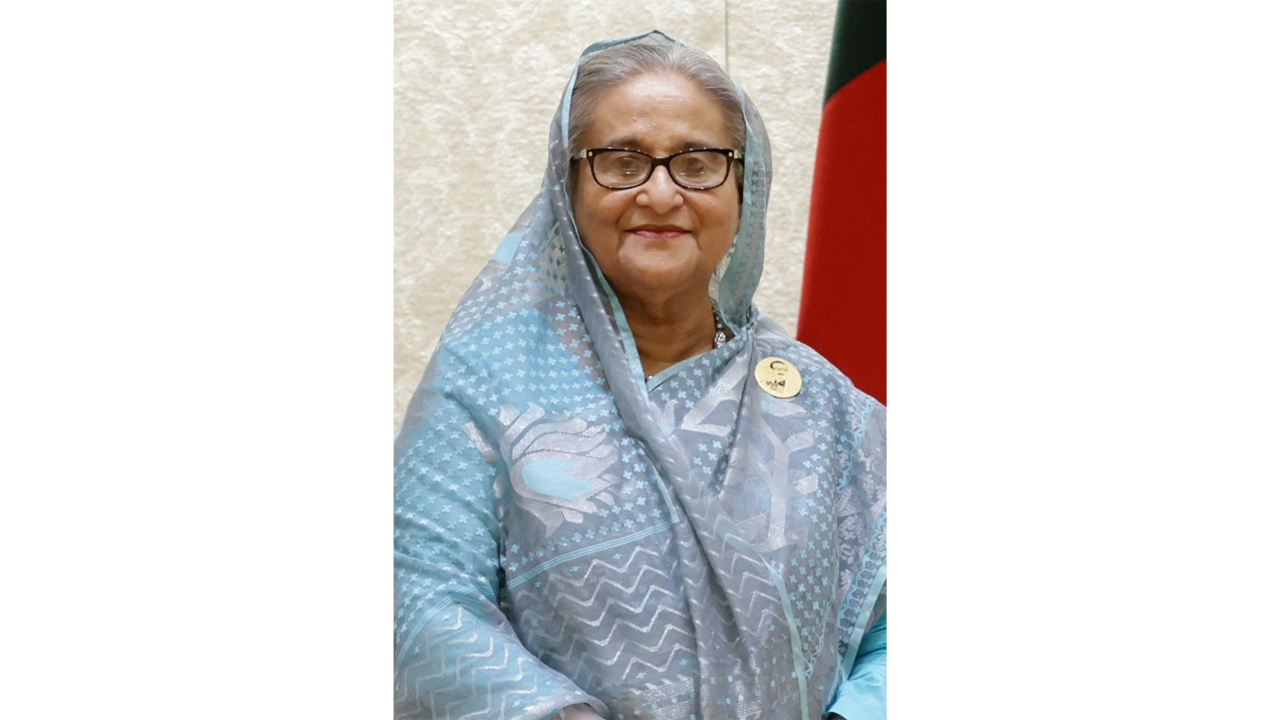
A month ago, a student-led movement ousted Bangladesh's Prime Minister, Sheikh Hasina, after weeks of protests and clashes that killed over 600 people. The revolt, which began over government jobs, escalated against the country's longest-serving leader, leading Hasina, 76, to flee to India.
The ensuing chaos saw police go on strike and mobs rampage across the country until a new interim government, led by Nobel Peace Prize laureate Muhammad Yunus, was sworn in. Yunus has pledged to restore peace and law and order, fight corruption, and prepare for new elections. His cabinet includes two student leaders from the protests, and they aim to overhaul Bangladesh's institutions, seeking support from the United Nations Development Program.
Despite Yunus's efforts, unrest persists. Garment workers have shut down factories, and there is lingering anger against Hasina and her Awami League. Many cases against Hasina's allies are seen as legally weak and politically driven. While students remain hopeful for change, economic challenges and the timing of new elections remain pressing issues.
ALSO READ
-
Bangladesh Secures $100m ADB Loan to Help 40,000 Families Build Safer Homes
-
ADB Backs Bangladesh’s Power Upgrade With $200M for Growing Dhaka Communities
-
Bangladesh’s Job Market at a Crossroads as Rapid Growth Fails to Deliver Enough Employment
-
Supreme Court Seeks Centre's Response on West Bengal Woman's Alleged Deportation
-
Energy Crisis Puts South Asia in the Dark


 Google News